What Are the Six Royal Palaces of the World?
No authority publishes an official ranking of the world's six royal palaces. Here's our own comparison, built on verified numbers.
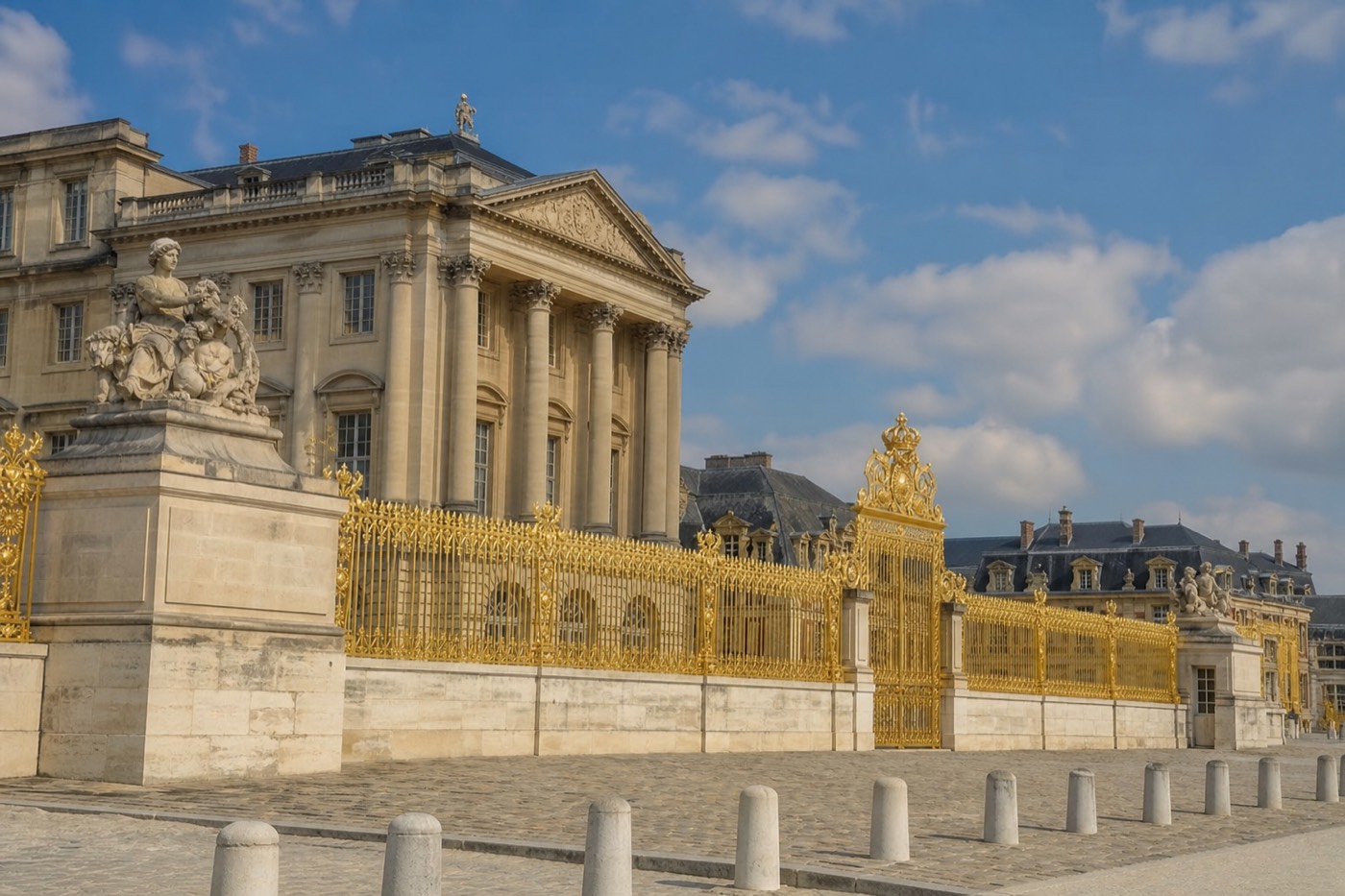
There's no single official "six royal palaces of the world" ranking from any authority, so this is our own editorial comparison, built around real size and history rather than a borrowed list. Using verified figures, the Forbidden City, Versailles, the Vatican's Apostolic Palace and Brunei's Istana Nurul Iman make for a genuinely interesting comparison on footprint, room count and function, and we've rounded the list out to six with two more widely known royal residences described in general terms.
If you plan to see this in person, two-hour palace walk is a starting point. Compare its actual route with the time you have.
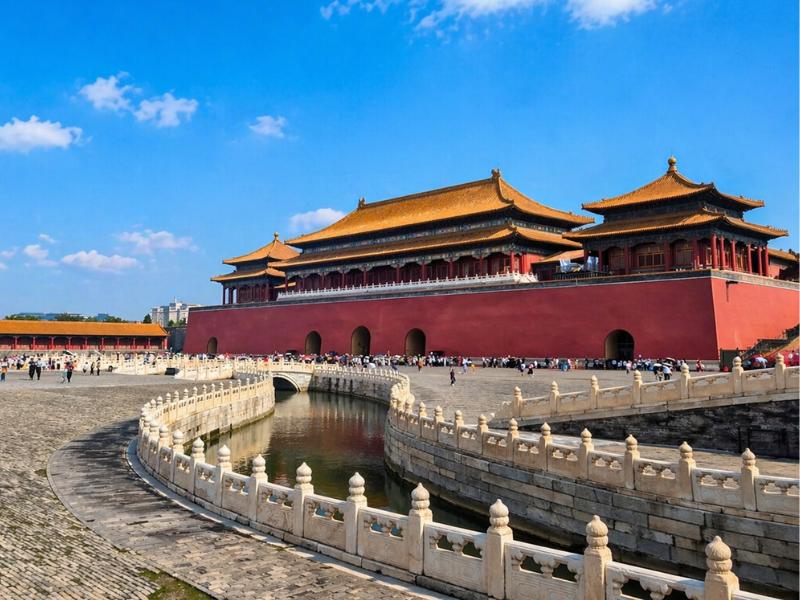
Booking choice: Choose TG18: English-guided Forbidden City walk and entry ticket. Meet at Meridian Gate; finish at the north gate. No square visit or hotel transfer. Explore Two-Hour Palace Walk
Why compare palaces this way?
Search around and you'll find lists claiming to rank "the world's greatest palaces," most of them mixing footprint, room count, historical importance and sheer fame without being clear about which measure they're using. We're doing something narrower and more honest: comparing a handful of real, well-documented palaces on the specific numbers we can actually verify, and being upfront about which ones we can't. This isn't a UNESCO ranking or any other authority's official list, it's our own comparison, built for anyone trying to understand how the Forbidden City actually measures up.
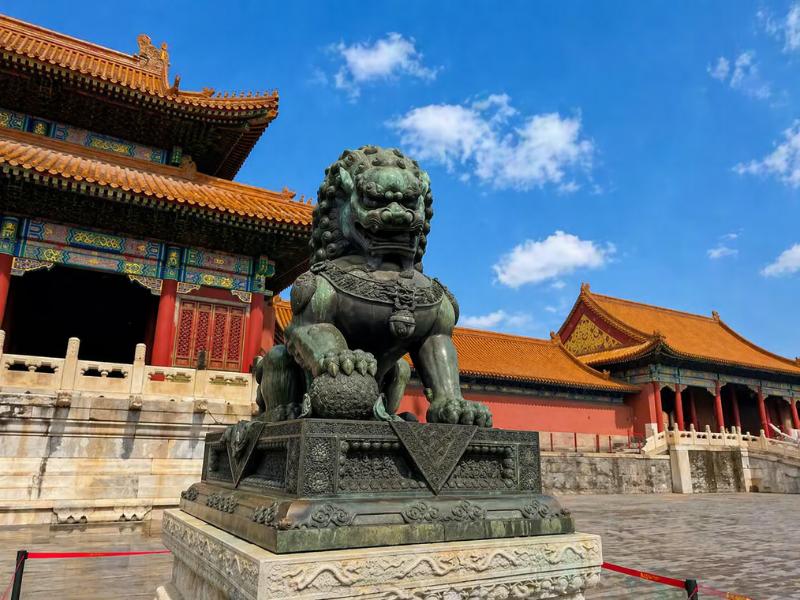
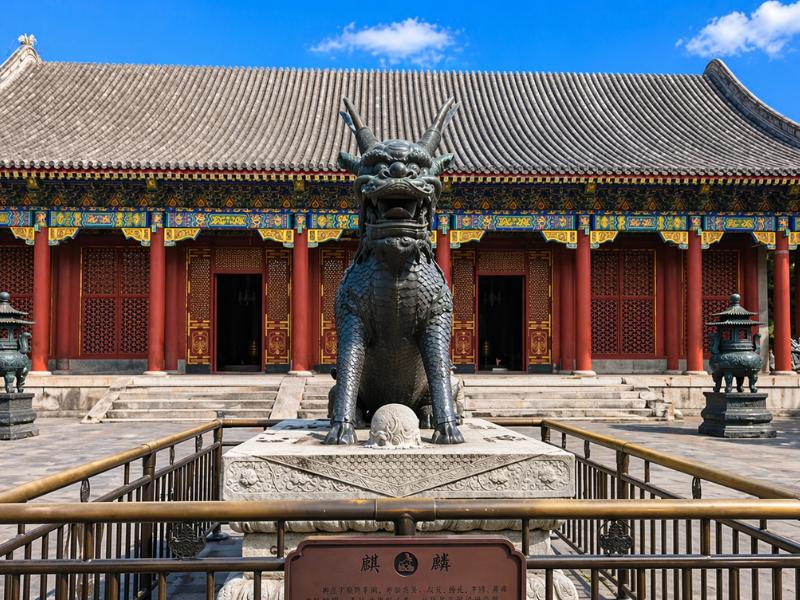
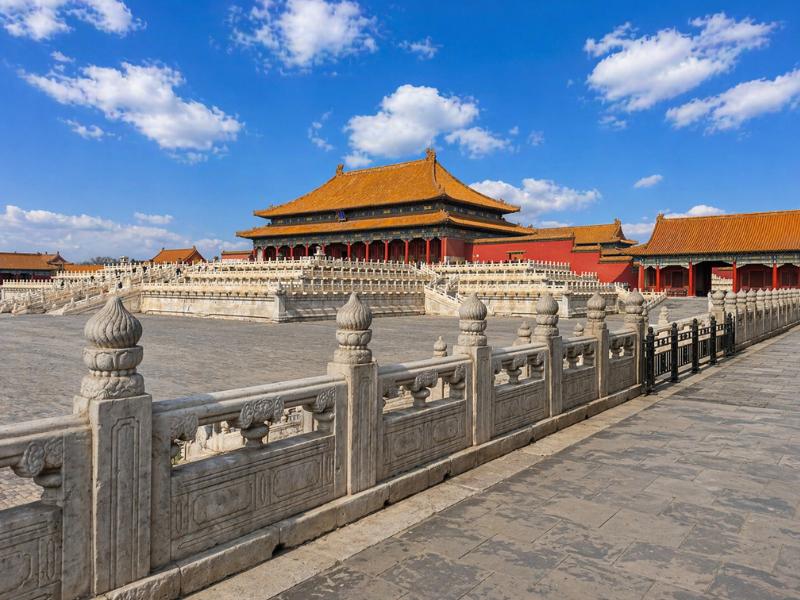
The Forbidden City
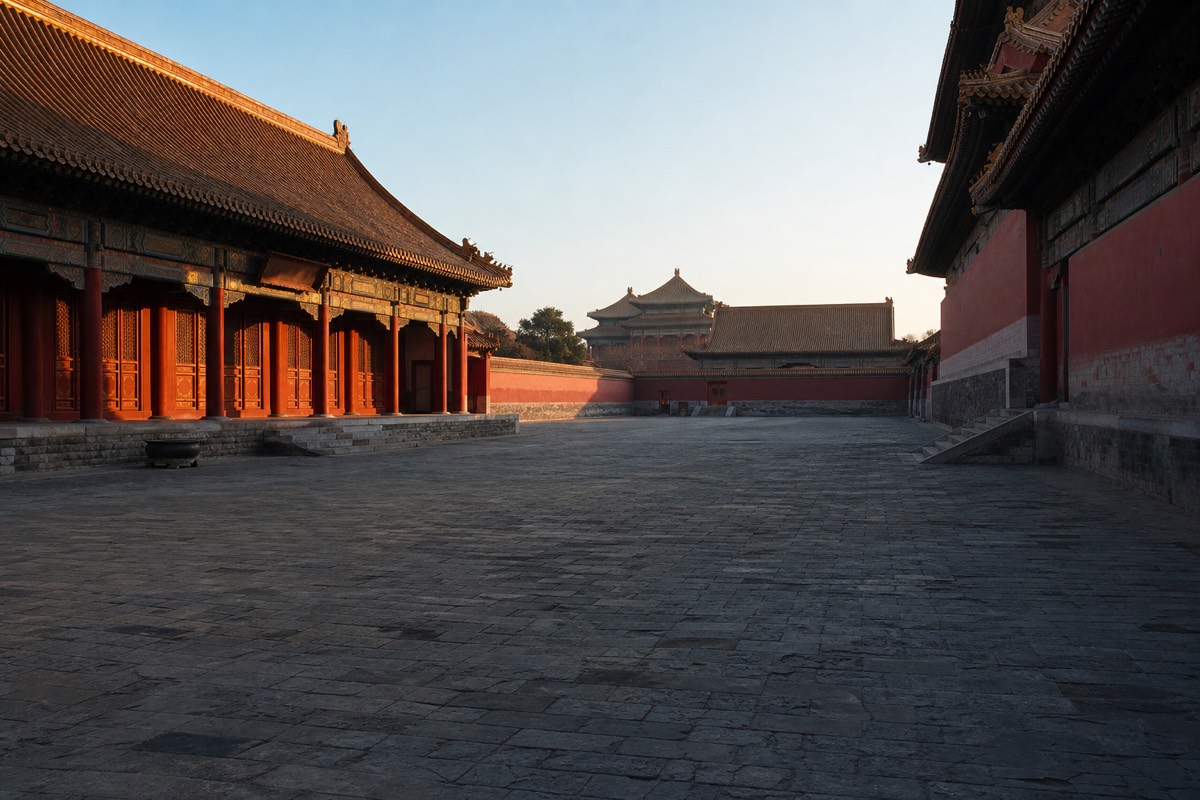
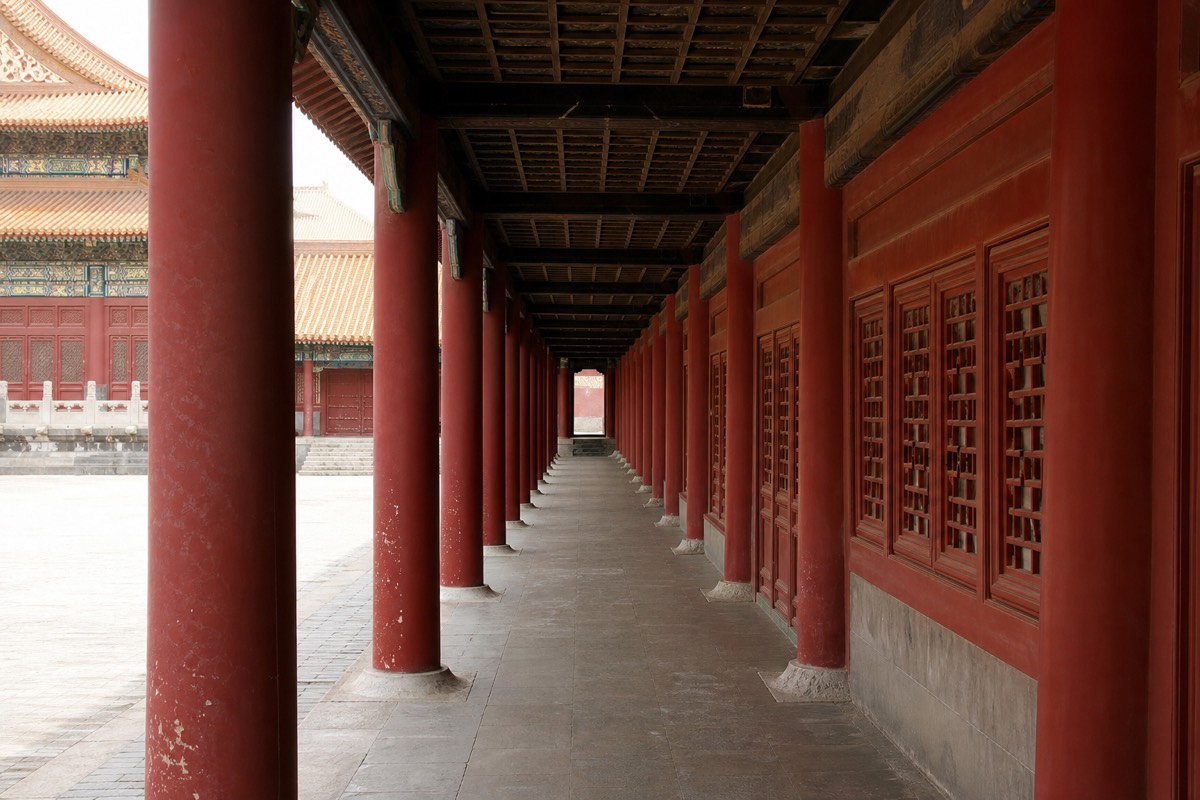
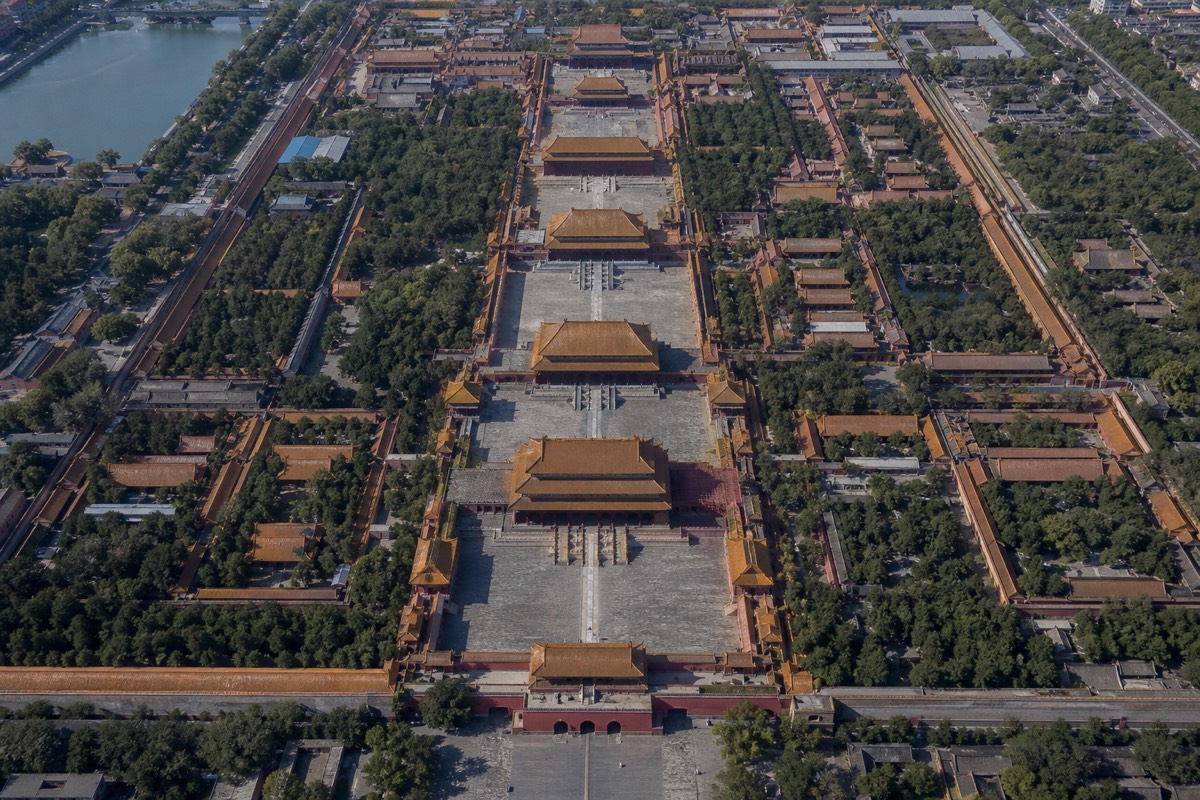
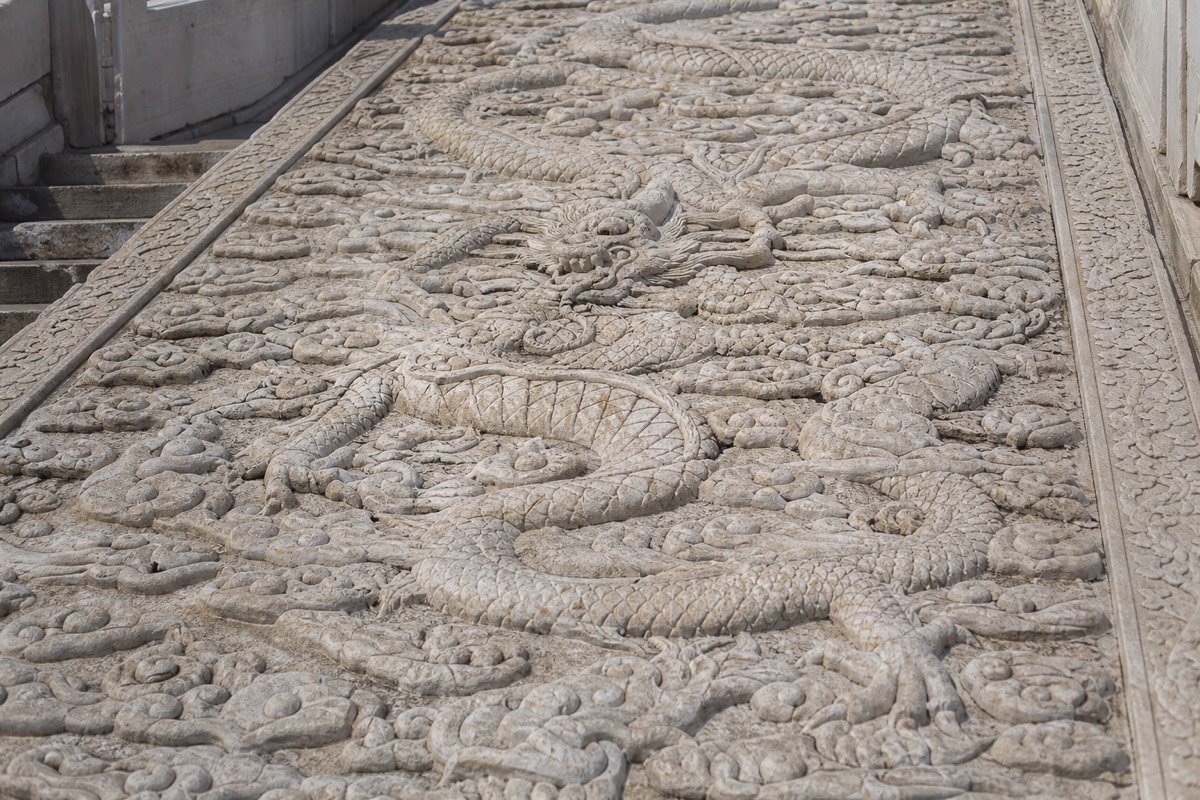
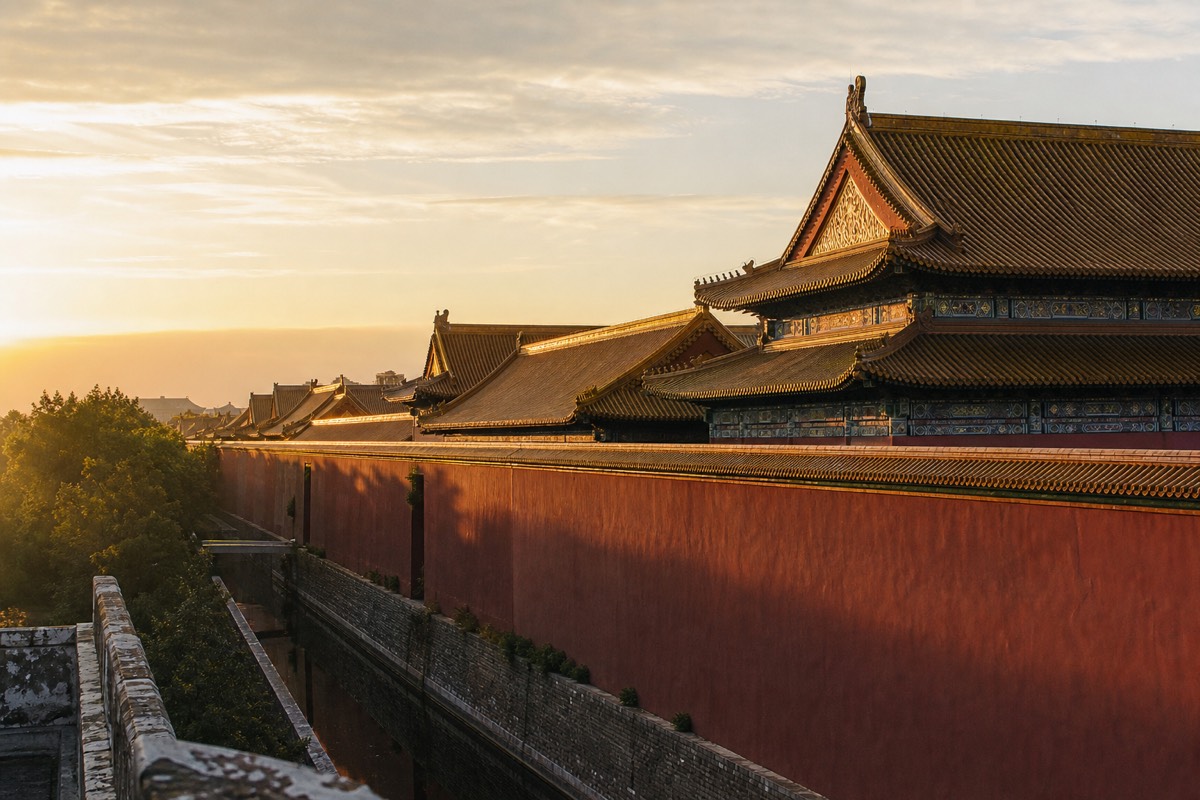
Beijing's imperial palace covers about 72 hectares and holds more than 800 surviving buildings, making it one of the largest palace complexes anywhere by floor area. It served as the seat of Ming and Qing emperors for centuries and was inscribed as a UNESCO World Heritage Site in 1987. The popular legend claims 9,999.5 rooms; the Palace Museum's own 2012 survey counted 9,371 actual rooms across roughly 1,200 buildings, still a genuinely enormous number by any measure.
The Palace of Versailles
Versailles is probably the palace most people picture when they think "royal grandeur," and it earns that reputation. But the château itself, the building most visitors associate with Versailles, has a smaller footprint than the Forbidden City's built complex. What makes Versailles feel so vast is its surrounding park and gardens, which sprawl far beyond the château's own walls and dwarf the built area of the Forbidden City many times over. The comparison depends entirely on what you're measuring: building footprint favors the Forbidden City, total grounds favor Versailles by a wide margin.
The Vatican's Apostolic Palace
The Apostolic Palace, the pope's official residence and the seat of the Holy See within Vatican City, is far smaller by area than either the Forbidden City or Versailles. Its significance has never rested on scale. As the residence tied to the world's smallest sovereign state and one of its oldest continuous institutions, it belongs on any honest comparison of royal and papal residences even though its footprint is modest next to the two imperial complexes above.
Istana Nurul Iman, Brunei
Room counts are not a reliable single measure of palace size. Istana Nurul Iman is commonly cited with 1,788 rooms, fewer than the Forbidden City’s reported 9,371 across its complex; its large residential floor area is a different comparison.
Buckingham Palace, London
Buckingham Palace is the official London residence and administrative headquarters of the British monarch, in continuous royal use since the 19th century. It's one of the most recognized palaces in the world by name and image alone, home to state functions, ceremonial events and the working offices of the monarchy. We're describing it here only in these general, well-known terms, since specific size and room-count figures for Buckingham Palace aren't part of the verified data behind the rest of this comparison.
The Grand Kremlin Palace, Moscow
Inside the Kremlin complex in Moscow, the Grand Kremlin Palace was built as the tsar's Moscow residence and today serves as a ceremonial and state building for the Russian government. Like Buckingham Palace, it's included here in general terms only, as a widely known royal and state residence, not with specific size figures we can verify against the rest of this comparison.
What makes a comparison like this genuinely tricky?
Most "biggest palace" claims online quietly switch between three different measurements without saying so: the footprint of the buildings themselves, the total area of the grounds around them, and the raw count of individual rooms. A palace can lead on one measure and trail badly on another, which is exactly what happens here. That's also why this article keeps repeating "editorial comparison" rather than presenting a ranking: we're not aware of any single body, UNESCO included, that certifies a combined "biggest palace" title across all three measures at once, so any list that claims to crown one definitive winner is making an editorial choice too, whether it says so or not. Britannica's own overview of the Forbidden City is a useful independent check on the figures above if you want to verify them outside this comparison.
So which is actually the "biggest"?
It depends entirely on what you're measuring, which is really the point of this comparison. By built footprint and surviving building count, the Forbidden City is one of the largest palace complexes on earth. By total grounds, Versailles pulls far ahead once its park is included. By individual room count, Brunei's modern Istana Nurul Iman claims the largest number, though it's not a historic seat in the way the others are. There's no single honest answer to "which palace is biggest," only a clearer picture of what each one is actually large in.
Where does this leave a first-time visitor?
Choose TG18: English-guided Forbidden City walk and entry ticket. Meet at Meridian Gate; finish at the north gate. No square visit or hotel transfer. Not wheelchair accessible. Passport details and an original passport are required. Security checks still apply.