Forbidden City vs Palace Museum: Are They the Same Place?
Two names for the same walled complex in the middle of Beijing, and the confusion is real enough that it shows up constantly in search results and travel forums. Here's the short version, then the full story.
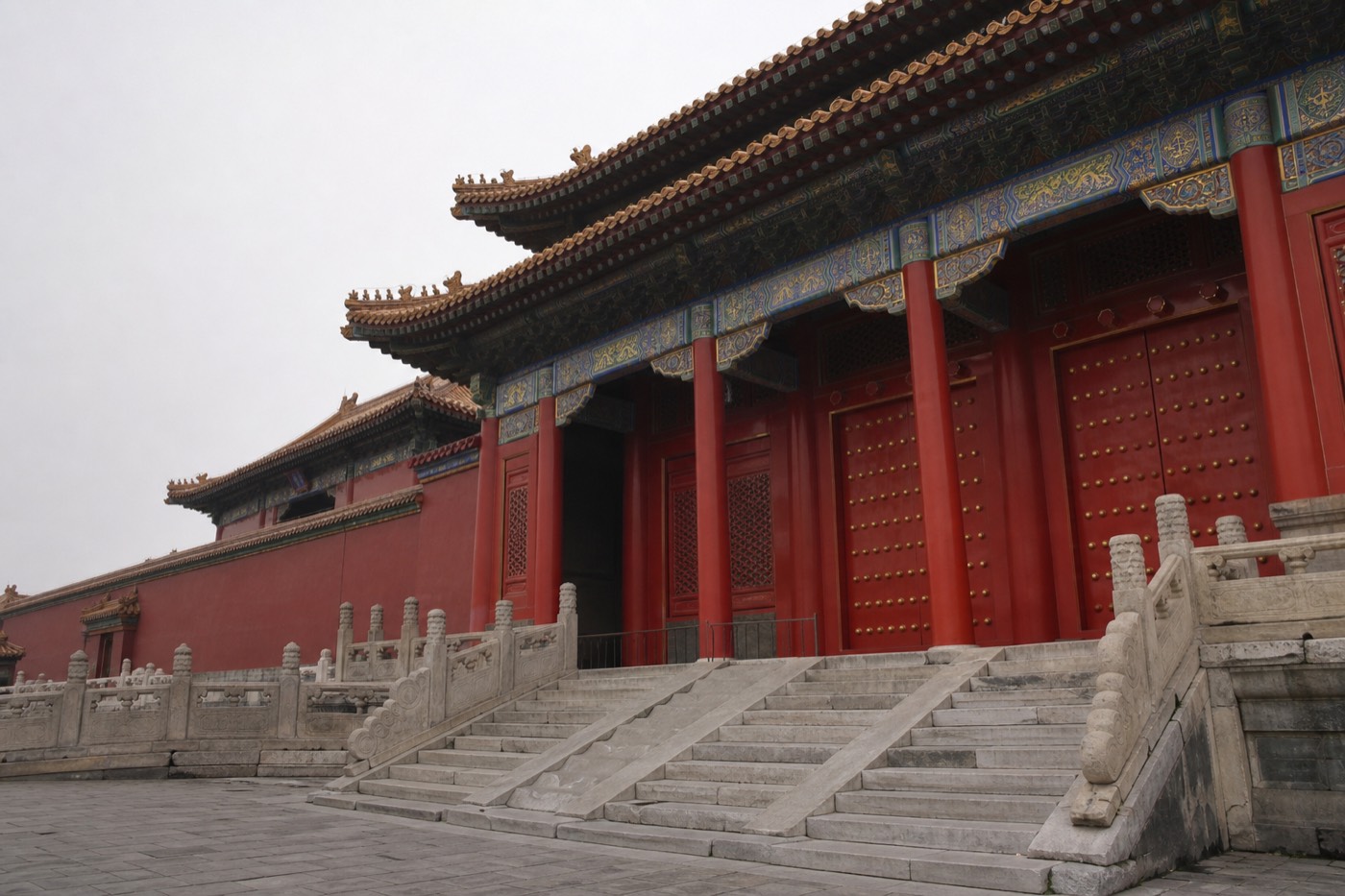
Search for tickets and one site calls it the Forbidden City; search again and an official-looking page calls it the Palace Museum. Both are pointing at the exact same gate, and the mix-up is common enough that it's worth settling once, clearly, before anything else about the visit gets planned.
If you plan to see this in person, two-hour palace walk is a starting point. Compare its actual route with the time you have.
Booking choice: Choose TG18: English-guided Forbidden City walk and entry ticket. Meet at Meridian Gate; finish at the north gate. No square visit or hotel transfer. Explore Two-Hour Palace Walk
One place, two names: from imperial palace to public museum
Dates and events are drawn from the documented history of the site's transition from imperial residence to public institution.
Are the Forbidden City and the Palace Museum the same place?
Yes. The Forbidden City and the Palace Museum are the same physical site in central Beijing. "Forbidden City" is the historic, popular name for the former imperial palace, while "Palace Museum" (Gùgōng in Chinese) is the official institutional name adopted when the site opened to the public as a museum on October 10, 1925. Both names are used interchangeably today, in ticketing, on signage, and across media coverage.
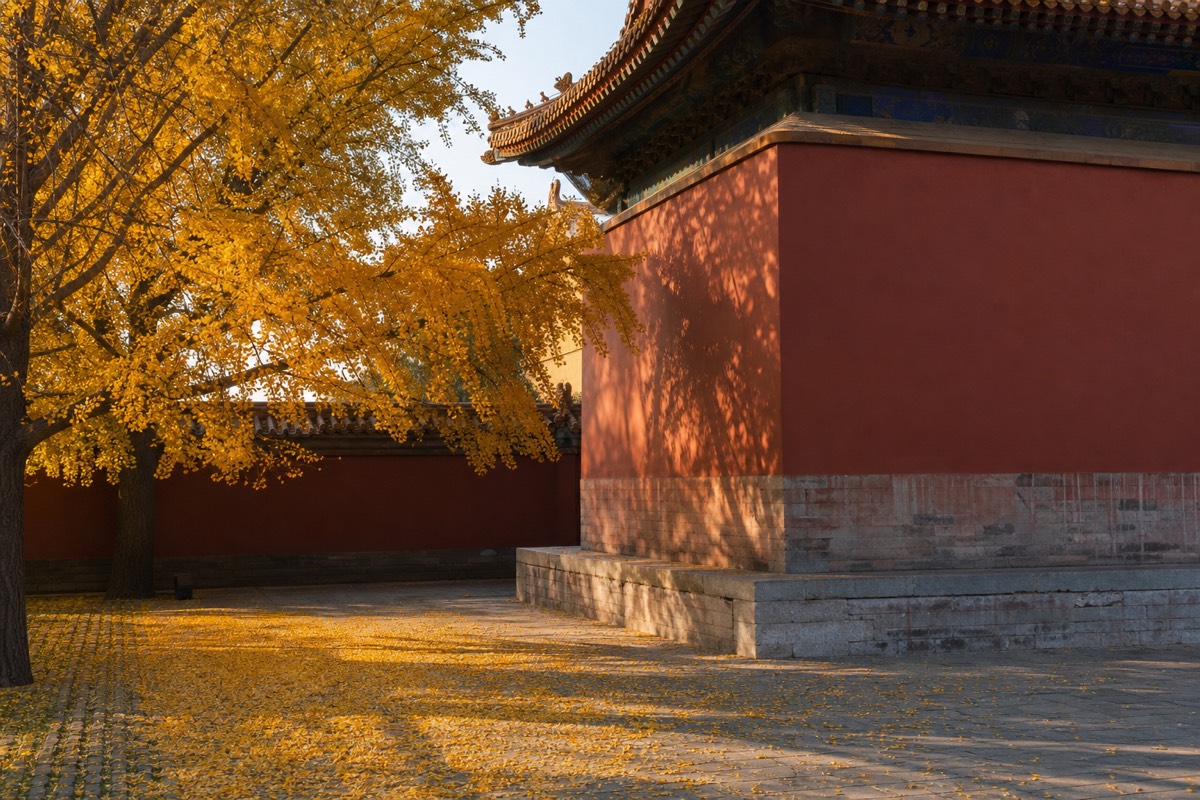
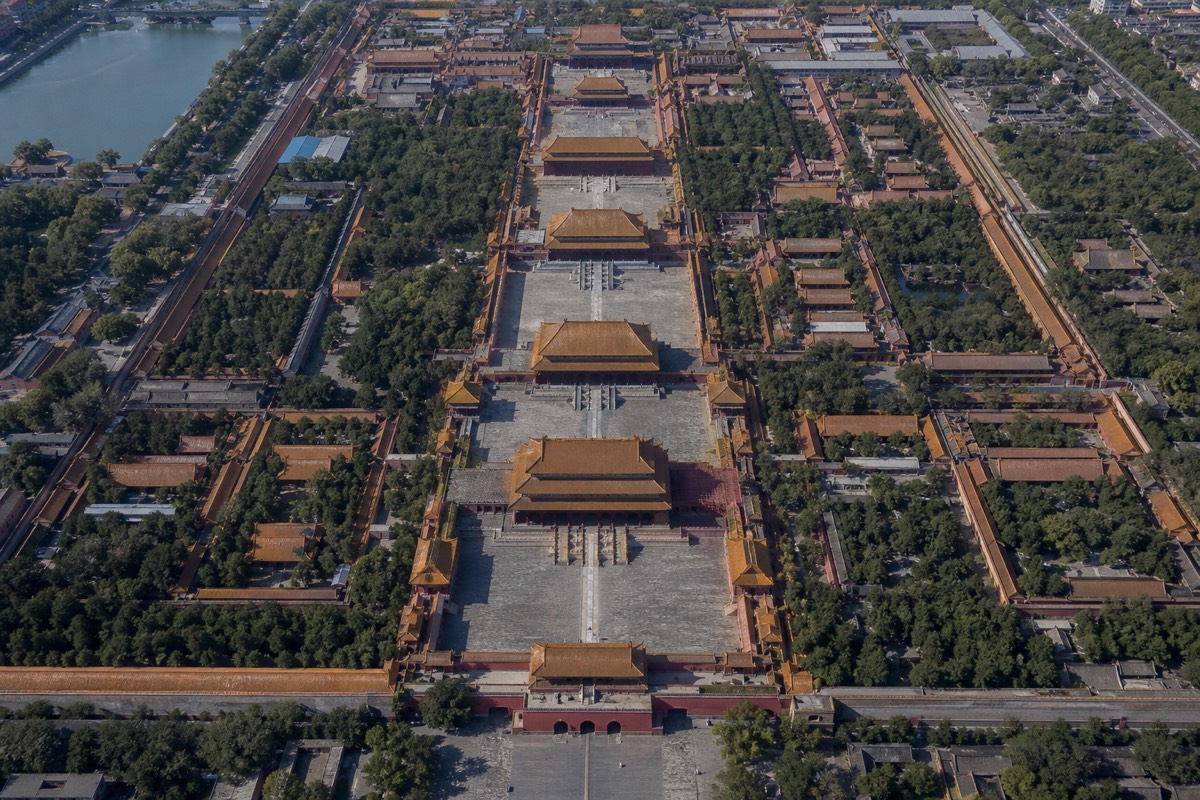
There is no second building, no separate wing, no different address, and no version of the confusion where the two names quietly point at two different attractions somewhere in the city. A separate, unrelated naming mix-up sometimes comes up too; our guide to which city is really called the Forbidden City sorts that one out. If a tour listing, a museum website, or a friend's trip report refers to the "Palace Museum," it is describing precisely the same walled complex, the same central axis, the same Hall of Supreme Harmony and the same Imperial Garden covered in this site's guide to the palace's map and layout. The two names simply come from two different moments in the site's history: one from its five centuries as a closed imperial residence, the other from its identity as a public institution.
Where did the name "Palace Museum" actually come from?
The renaming has a specific, documented date. On October 10, 1925, marking Double Ten Day, the site formally opened to the public as the Palace Museum, just months after China's last emperor, Puyi, was expelled from the palace grounds entirely. That expulsion followed the 1924 Beijing Coup led by the warlord Feng Yuxiang, which revoked the "Articles of Favorable Treatment" that had, since Puyi's forced abdication in February 1912, allowed the deposed imperial family to keep living inside the palace's inner court even though the empire itself had already ended. Puyi's own story, including his later role as the Japanese puppet ruler of Manchukuo, is covered in full in the guide to who Puyi actually was.
Once the imperial family was gone, the palace's purpose changed overnight, from a closed residence to a public institution charged with preserving and displaying what remained inside it: the throne halls, the residential quarters, and an enormous accumulated collection of imperial art and artifacts. "Palace Museum" was the name chosen for that new institution, and it has been the site's official name ever since, used in its own English-language communications and on its official English website to this day.
"Forbidden City" describes the place: a former imperial palace. "Palace Museum" describes the institution: the museum that has run and preserved that place since October 10, 1925. Same walls, same buildings, two names for two different aspects of the same site.
What exactly happened between Puyi's abdication and the 1925 renaming?
The gap between the end of imperial rule and the palace actually becoming a public museum is longer, and stranger, than most visitors assume, and it explains why the renaming didn't simply happen the moment the Qing dynasty fell. Puyi became emperor in 1908 at age two and was forced to abdicate in February 1912, at age six, following the Xinhai Revolution that ended more than two thousand years of Chinese imperial rule. But abdication did not mean eviction. Under a negotiated settlement known as the "Articles of Favorable Treatment," Puyi and the remaining imperial household were allowed to keep living inside the Forbidden City's inner court, retaining ceremonial trappings and a household staff, even though the empire itself no longer existed outside the palace walls.
That arrangement held for twelve more years, until the warlord Feng Yuxiang's 1924 Beijing Coup revoked the Articles of Favorable Treatment and forced Puyi's expulsion from the palace entirely. Only then, with the last resident of the old imperial household gone, did the site's transformation into a public institution become possible, and it took less than a year from that expulsion to the formal opening as the Palace Museum on October 10, 1925. Puyi's later life, including his period as the Japanese puppet "Emperor" of Manchukuo from 1934 to 1945 and his death in 1967, is covered separately in the guide to who Puyi actually was, but the renaming itself is really the final step in this longer, twelve-year unwinding of the old imperial household's presence inside the palace.
| Date | Event |
|---|---|
| 1908 | Puyi becomes emperor at age two |
| February 12, 1912 | Forced abdication at age six, ending imperial rule; Puyi remains resident under the Articles of Favorable Treatment |
| 1912-1924 | Puyi and the imperial household continue living inside the Forbidden City's inner court |
| 1924 | Feng Yuxiang's Beijing Coup revokes the Articles of Favorable Treatment; Puyi is expelled from the palace |
| October 10, 1925 | The site opens to the public as the Palace Museum |
| 1934-1945 | Puyi later serves as the Japanese puppet "Emperor" of Manchukuo |
| 1967 | Puyi dies |
What was the site called before it was even the "Forbidden City"?
The name predates the museum by five centuries, and it has its own story worth knowing, since it explains why "Forbidden" was ever attached to the palace in the first place. Its Chinese name, Zǐjìnchéng, translates to "Purple Forbidden City." The "purple" references the Purple Star Enclosure, the region of the night sky around the North Star in traditional Chinese astronomy, understood as the celestial seat of the sky's ruler. Because the emperor was regarded as the "Son of Heaven," his earthly residence was named to mirror that celestial seat, purple and forbidden together, since entry was barred to ordinary subjects and permitted only to the imperial family, consorts, eunuchs and the highest officials. The Britannica entry on the Forbidden City traces this same naming logic as part of the palace's broader place in Chinese imperial history.
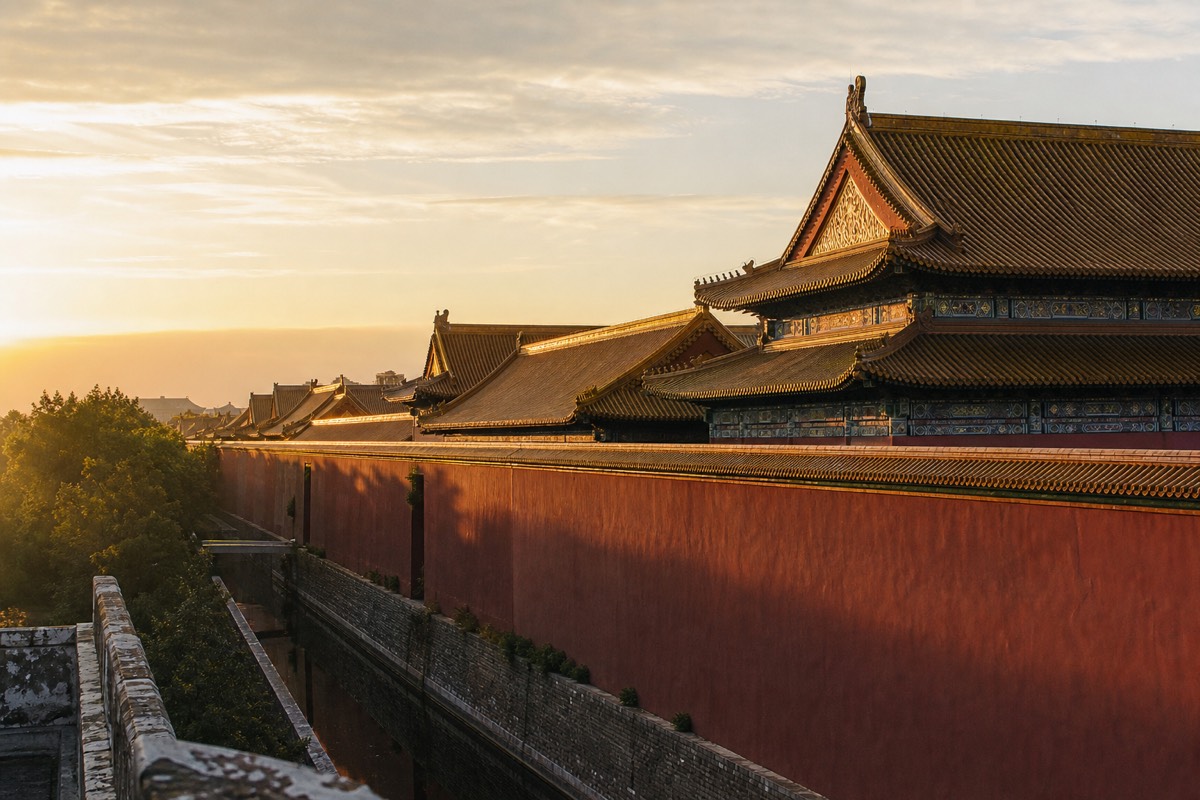
So there is, in a sense, a three-name story rather than a two-name one: the original Chinese name rooted in astronomy and cosmology, the English "Forbidden City" that translates and popularizes that idea for a Western audience, and the modern institutional "Palace Museum" adopted in 1925. All three describe the same walls. The full story behind the astronomy and the "forbidden" half of the name specifically is covered in the guide to why it's called the "Forbidden" City.
| Name | Language / origin | What it emphasizes |
|---|---|---|
| Zǐjìnchéng (紫禁城) | Original Chinese name | Cosmological: the "Purple Forbidden City," mirroring the Purple Star Enclosure around the North Star |
| Forbidden City | English translation/popularization | Historic restriction: barred to ordinary subjects for roughly five centuries |
| Palace Museum / Gùgōng (故宫) | Modern institutional name, adopted 1925 | Institutional: the museum that now preserves and displays the site |
Why do both names still get used today?
Largely because each name serves a different purpose and neither has fully displaced the other. "Forbidden City" is the name most Western visitors grew up hearing, evocative of the site's centuries as a closed imperial residence barred to ordinary subjects, and it remains the dominant name in Western travel writing, film and popular culture. "Palace Museum," meanwhile, is the site's own formal identity as an institution, the name it uses for itself in official communications, in Chinese-language contexts, and increasingly in its own English-language branding as international tourism has grown.
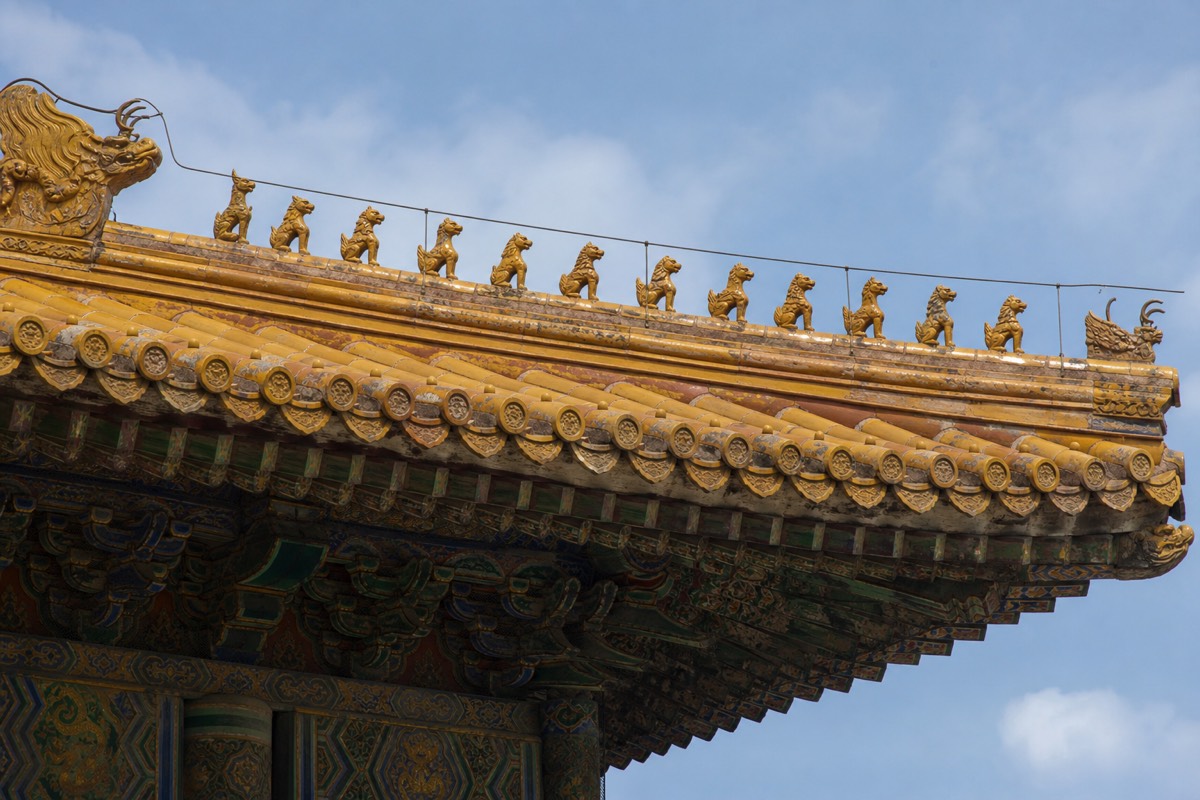
In practice, that means both names appear side by side without much friction. Ticketing and signage on-site frequently use "Palace Museum" since that is the institution's legal and official name, while tour operators, guidebooks and casual conversation lean toward "Forbidden City" since that is the name most visitors search for and recognize. Neither usage is wrong, and neither name has been retired; they simply reflect two different traditions describing the same walled complex, one historic and popular, the other institutional and official. The UNESCO World Heritage listing itself uses yet a third framing, inscribing the site under the formal title "Imperial Palaces of the Ming and Qing Dynasties in Beijing and Shenyang," which is a reminder that even international heritage bodies don't converge on a single official label.
| Name | Origin | Where it's used most |
|---|---|---|
| Forbidden City | Historic name from its centuries as a closed imperial residence | Western travel writing, tour listings, everyday conversation |
| Palace Museum (Gùgōng) | Official name adopted at the site's public opening on October 10, 1925 | Official signage, ticketing, the institution's own communications |
| "Imperial Palaces of the Ming and Qing Dynasties..." | UNESCO's 1987 World Heritage inscription title | Heritage documentation, academic references |
Is the "Forbidden City" name still accurate, or is it outdated?
It's outdated in the literal sense, no one is barred from entering today, but it has never really fallen out of use because it describes what the place was for the vast majority of its history, not what it is now. For roughly five centuries, entry past the palace's wall and moat was genuinely forbidden to ordinary subjects; only the imperial family, consorts, eunuchs and the highest officials were ever permitted inside. That history is exactly what the guide to why it's called the "Forbidden" City covers in full, including the name's roots in Chinese astronomy and the idea of the emperor as the earthly "Son of Heaven." The name has simply outlived the restriction it once described, the same way plenty of historic place names do, and there's no real push within China or from the Palace Museum itself to retire it, since it remains one of the most recognized place names associated with Chinese history anywhere in the world.
How do ticketing, signage and media actually use the two names differently?
The split is not random, and once you notice the pattern it becomes easy to predict which name you'll encounter in a given context. Formal, official and administrative contexts, the institution's own website, its formal signage, academic and heritage documentation, tend to favor "Palace Museum" or the Chinese "Gùgōng," since that is the site's legal and institutional identity. Popular, tourism-facing and historical contexts, tour listings, guidebooks, film and documentary titles, everyday conversation, favor "Forbidden City," since that is the name with the strongest recognition and the most evocative link to the site's imperial-era history.
Neither pattern is a hard rule. The Palace Museum's own English-language communications sometimes use "Forbidden City" for accessibility, since it's the name most international visitors already search for, and academic writing on Ming and Qing history frequently uses "Forbidden City" as shorthand even in otherwise formal prose. What's consistent is the general tendency: lean official, lean toward "Palace Museum"; lean historical or popular, lean toward "Forbidden City." Understanding that pattern is enough to navigate almost any source without confusion about whether it's describing a different place.
| Context | Name more commonly used |
|---|---|
| Official signage and ticketing on-site | Palace Museum / Gùgōng |
| The institution's own website and formal communications | Palace Museum, sometimes paired with "Forbidden City" for clarity |
| UNESCO World Heritage documentation | Neither exactly; the formal listing title is "Imperial Palaces of the Ming and Qing Dynasties" |
| Tour operators and travel guidebooks | Forbidden City |
| Film, documentaries and popular culture | Forbidden City |
| Everyday conversation among travelers | Forbidden City |
Why does this particular mix-up trip up so many visitors?
Part of the confusion is structural rather than accidental. Most historic sites keep one name across their entire public life, so travelers arrive expecting a single, stable name and don't have a mental category for "same building, two legitimate names used in different registers." The Forbidden City sits in an unusual position: it spent roughly five centuries under one name, then explicitly rebranded as an institution in 1925 without the older name ever disappearing from popular use. That's a genuinely uncommon pattern, and it's compounded by the fact that both names independently sound like they could describe different kinds of attractions, "Forbidden City" suggesting an off-limits historic district, "Palace Museum" suggesting a curated indoor exhibition space, when in reality they're two labels for one and the same walled complex, gates, courtyards, halls and all.
The practical fix is simple once you know it: treat "Palace Museum" as you would a formal institutional name for a place you already know by its popular name, the way a national park might have an official designation that rarely appears in casual conversation. Nothing about choosing one name over the other changes what's actually on the ticket, what the axis-based layout looks like, or what a guided visit covers.
Is the Palace Museum in Beijing the same as the National Palace Museum in Taipei?
No, and this is a genuinely common source of confusion. The Palace Museum in Beijing is the former Forbidden City itself; the National Palace Museum in Taipei is a separate institution in Taiwan, holding a large collection of imperial artifacts that left mainland China during the Chinese Civil War in the late 1940s. They are two different museums, in two different countries, both descended from the same original imperial art collection, but housed in physically separate buildings thousands of kilometers apart.
The short version of how that split happened: as the Chinese Civil War turned against the Nationalist government in the late 1940s, a large portion of the imperial collection, though not the palace buildings themselves, was moved out of Beijing and eventually to Taiwan, where it became the founding collection of what is now Taipei's National Palace Museum. The Beijing site, buildings, halls, courtyards and everything architecturally described in this site's guides, stayed exactly where it has always been, and continued operating as the Palace Museum described throughout this article. Anyone encountering the name "National Palace Museum" online should read it as pointing to the separate Taipei institution, not to the Beijing site covered here.
| Palace Museum (Beijing) | National Palace Museum (Taipei) | |
|---|---|---|
| Location | Beijing, mainland China | Taipei, Taiwan |
| The building itself | The former Forbidden City, the imperial palace complex | A purpose-built museum building, not a former palace |
| Collection origin | Remained inside the palace after 1925 | Portion of the imperial collection relocated during the Chinese Civil War, late 1940s |
| Relationship | Two separate institutions descended from the same original imperial art collection | Same as at left |
Does the Taipei split mean Beijing's palace has fewer artifacts to see?
Not in any way that changes what a visitor actually experiences on-site. The Beijing complex itself, every hall, courtyard, gate and residence described throughout this site's guides, was never moved, and the buildings are the overwhelming majority of what a visit to the Forbidden City actually consists of: walking the axis through the Meridian Gate, the Hall of Supreme Harmony and the Inner Court residences described in the guide to what's inside the Meridian Gate and Treasure Gallery. The Beijing site also retained an enormous holdings of its own, including the roughly 400 Qing-dynasty relics on display in the Treasure Gallery. The Taipei collection is a separate, additional set of artifacts under separate ownership and separate display, not a subtraction from what remains on view in Beijing.
Confusing the two institutions matters mainly for one practical reason: someone planning a Beijing trip who stumbles onto "National Palace Museum" ticketing or visitor information is looking at a different country's museum entirely, with its own separate booking system, hours and location in Taipei, not a booking channel for the Beijing site. Always confirm that any ticket or tour references Beijing specifically, ideally cross-checked against the Palace Museum's own official English site, before assuming a "Palace Museum" listing is for the right country.
Does it matter which name you use when booking a tour or ticket?
No. Any tour, ticket listing or search that uses either "Forbidden City" or "Palace Museum" is referring to the same site, so there's no wrong choice between them when planning a visit. What matters far more than the name is understanding what the ticket actually covers, since admission, the Treasure Gallery add-on and the Clock Gallery add-on are priced and booked separately, a distinction covered fully in the guide to Forbidden City tickets, prices and how to book. A guided visit, like the Forbidden City tour with tickets included, handles that naming ambiguity for you entirely, since the tickets booked are for the one physical site regardless of which name appears on the confirmation.
Quick reference: same site, two names
Everything in this guide comes down to one fact repeated in different forms: there is one walled complex in central Beijing, and it carries two legitimate names that serve two different purposes, one rooted in five centuries of imperial history and one rooted in a specific institutional decision made in 1925. Neither name is more correct than the other, and neither is going away. The table below is the short version, worth returning to if either name shows up unexpectedly while planning a trip.
| Question | Answer |
|---|---|
| Is it the same physical place? | Yes, always, whichever name is used |
| Which name is older? | "Forbidden City," describing roughly five centuries as a closed imperial residence |
| Which name is official today? | "Palace Museum," adopted October 10, 1925 |
| Is the Taipei "National Palace Museum" the same place? | No, a separate institution in a different country |
| Does the name on a ticket or tour listing matter? | No, either name books the same site, as long as it's the Beijing listing |
So which name should you actually use?
Either works, and locals, guides and official materials all move between the two without much thought. "Forbidden City" is the more useful search term and the name most English-language travel content, including this site, defaults to, since it's what most visitors already recognize. "Palace Museum" is worth knowing specifically because it's what appears on official signage, some ticketing systems and the institution's own formal communications, so recognizing it prevents the double-take moment of wondering whether a museum website and a Forbidden City tour listing are describing two different places. They aren't. For the fuller history behind both names and the site itself, the overview guide to what the Forbidden City actually is covers the full arc from its 15th-century construction through to its current life as a public museum.