Is It Safe for Americans to Visit Beijing Right Now?
What the current U.S. travel advisory for China actually covers, and what it means for a standard trip to see the Forbidden City.
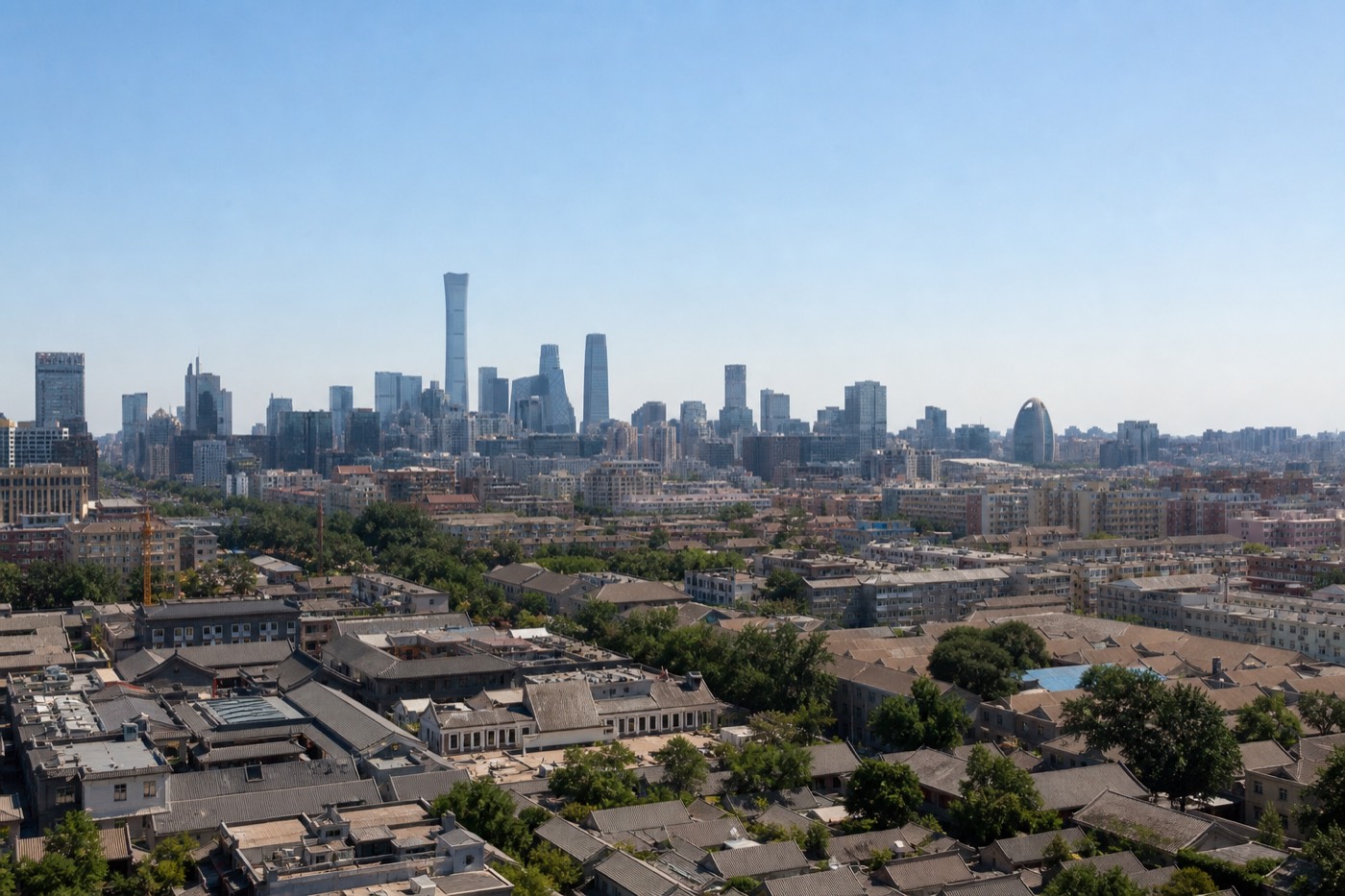
Yes, for the vast majority of travelers, Beijing is safe to visit. The U.S. State Department currently rates China, including Beijing, at Level 2, "Exercise Increased Caution," the same tier it applies to France, Germany and Japan. The concerns behind that rating center on arbitrary enforcement of local law, including exit bans, enhanced surveillance, and added risk for dual nationals, journalists and former government personnel, not a spike in street crime or a Beijing-specific danger. Ordinary leisure travelers sticking to standard tourist routes see low rates of violent crime.
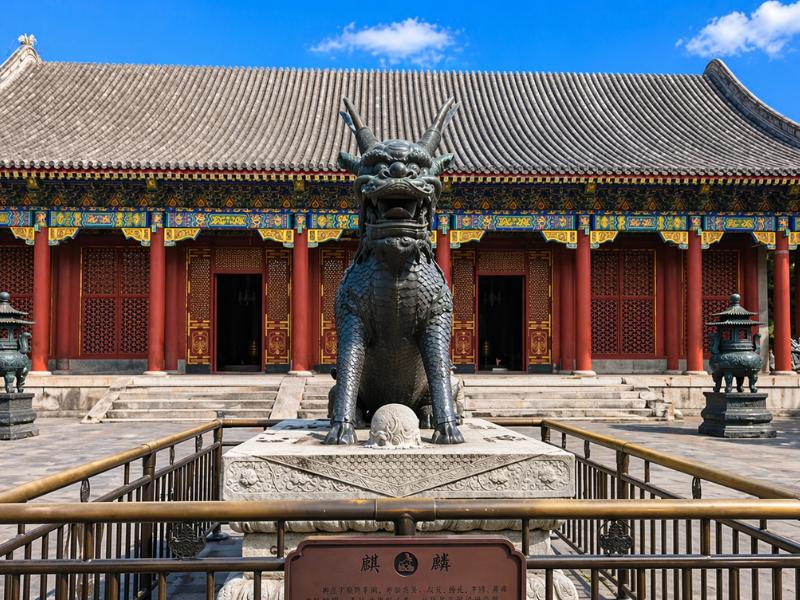
If you plan to see this in person, two-hour palace walk is a starting point. Compare its actual route with the time you have.
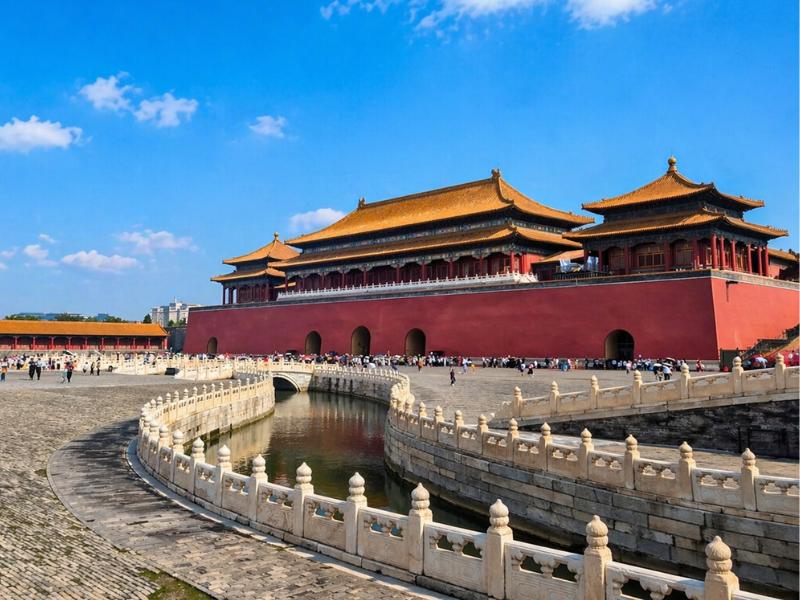
Booking choice: Choose TG18: English-guided Forbidden City walk and entry ticket. Meet at Meridian Gate; finish at the north gate. No square visit or hotel transfer. Explore Two-Hour Palace Walk
What does a Level 2 advisory actually mean?
The State Department uses a four-tier scale, from Level 1 ("Exercise Normal Precautions") to Level 4 ("Do Not Travel"). Level 2 sits one step above the baseline and is a wide, common category: it currently covers major, heavily visited countries well beyond China, including France, Germany and Japan. It is not a warning that violence or unrest is likely; it's a broader instruction to stay aware of your surroundings and understand the country's specific legal and political risks before you go.
What specifically is the advisory concerned about?
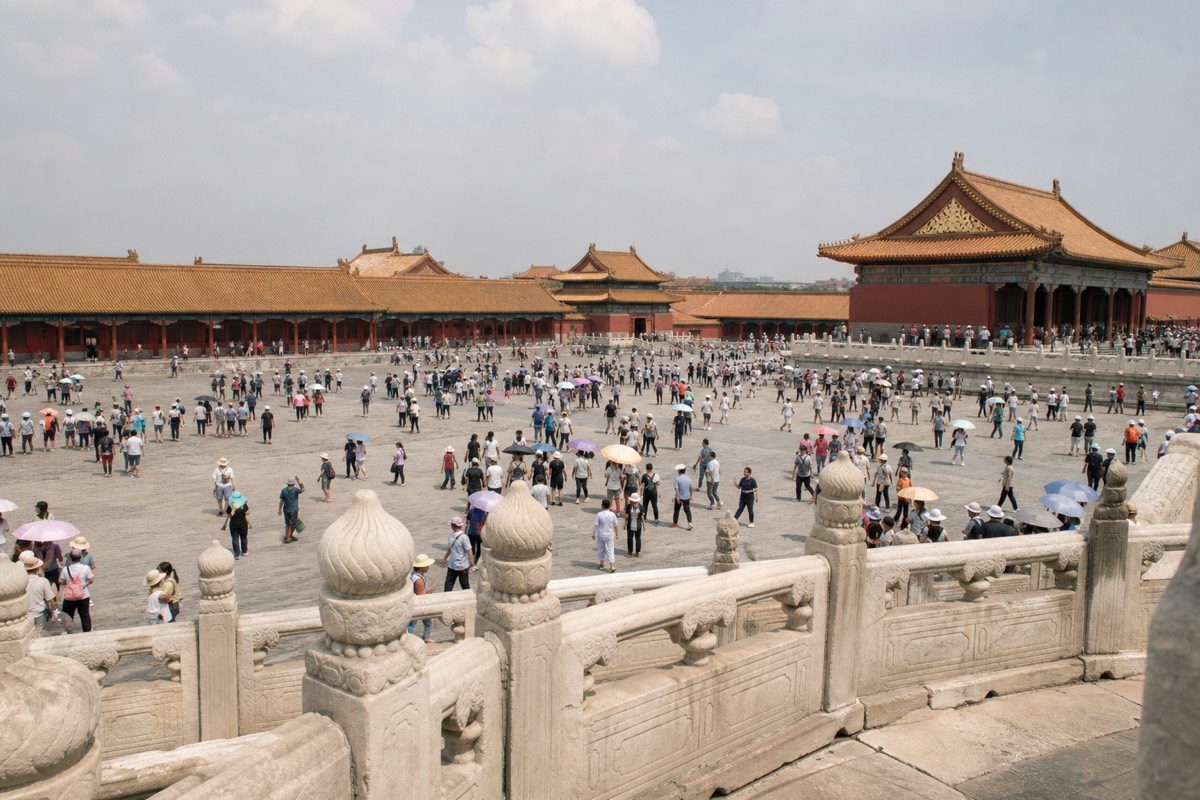
Three themes drive the China advisory: arbitrary enforcement of local law, including the possibility of exit bans that can prevent someone from leaving the country while a legal matter is unresolved; enhanced surveillance of visitors and residents; and heightened risk for a narrower set of travelers, specifically dual U.S.-Chinese nationals, journalists, and people with a background in government or the military. None of these concerns are about random street crime against tourists, and the advisory itself is general national guidance rather than a Beijing-specific escalation.
What is the actual crime risk for a typical tourist?
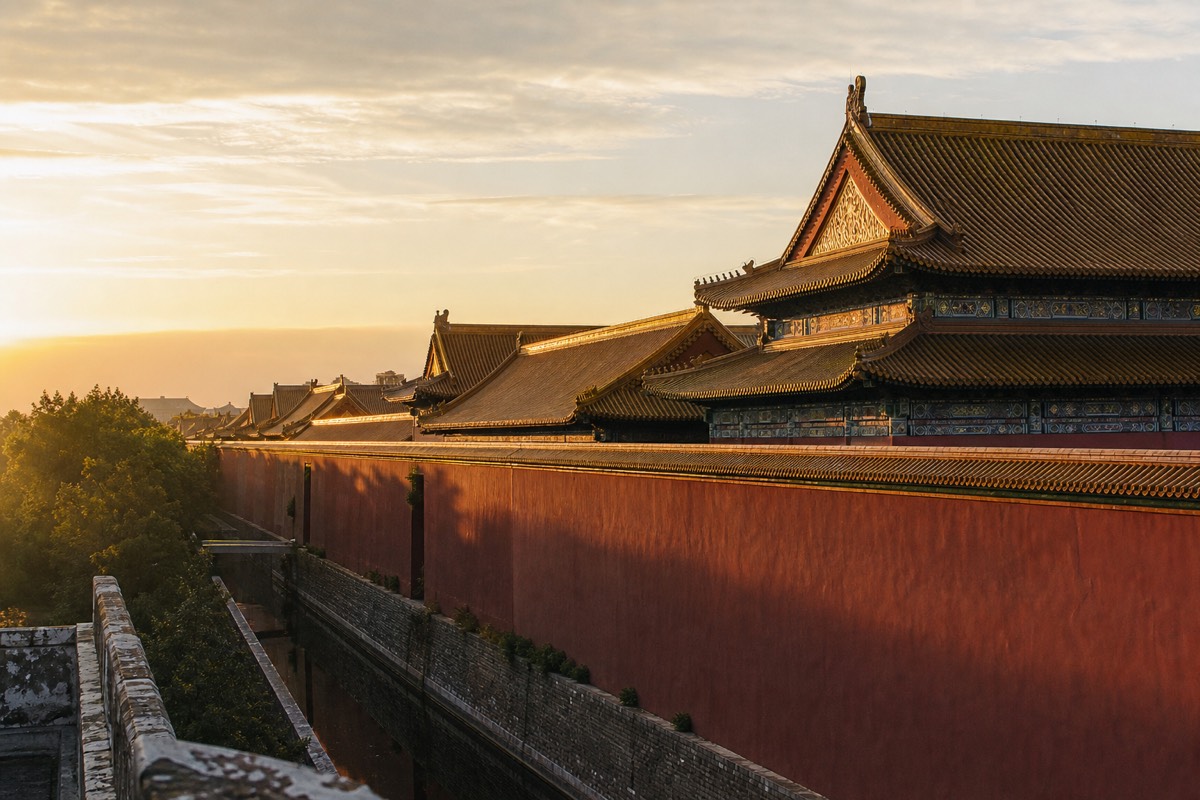
Low, for the standard tourist experience: hotels, major sites like the Forbidden City and Tiananmen Square, organized tours and well-traveled neighborhoods. Violent crime against foreign visitors on these routes is uncommon. The advisory's real caveats sit elsewhere, mostly around legal exposure in business or personal disputes, and around the surveillance environment generally, both of which matter far more to residents, business travelers and journalists than to someone on a short guided visit to the major sights.
Should the advisory change your travel plans?
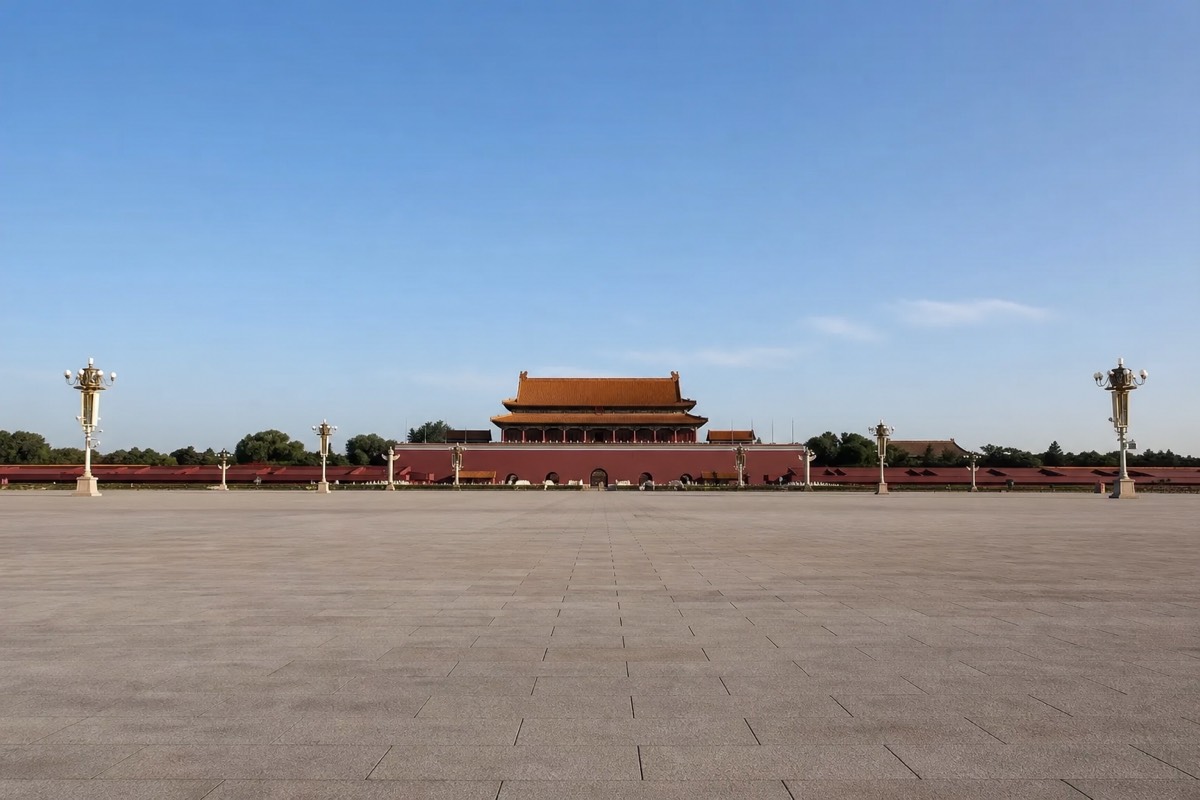
For a standard leisure trip built around the well-known sites, most travelers read a Level 2 advisory as due diligence rather than a reason to cancel. It puts China in the same practical bracket as some of the world's most visited countries. That said, the specific concerns are real and worth taking seriously if they apply to you: if you hold dual nationality, work as a journalist, or have a government or military background, the added risk factors are worth reading in full rather than skimming past.
Where should you check for the current rating?
Advisories change, and this article can't promise the rating will still read Level 2 by the time you travel. Go directly to the State Department's China travel advisory page before you book and again shortly before you fly, rather than relying on a secondhand summary, this one included. It's the single authoritative source, updated as conditions change, and it lists the specific reasoning behind the current tier in more detail than any summary can responsibly compress.
What about everyday practical safety in Beijing?
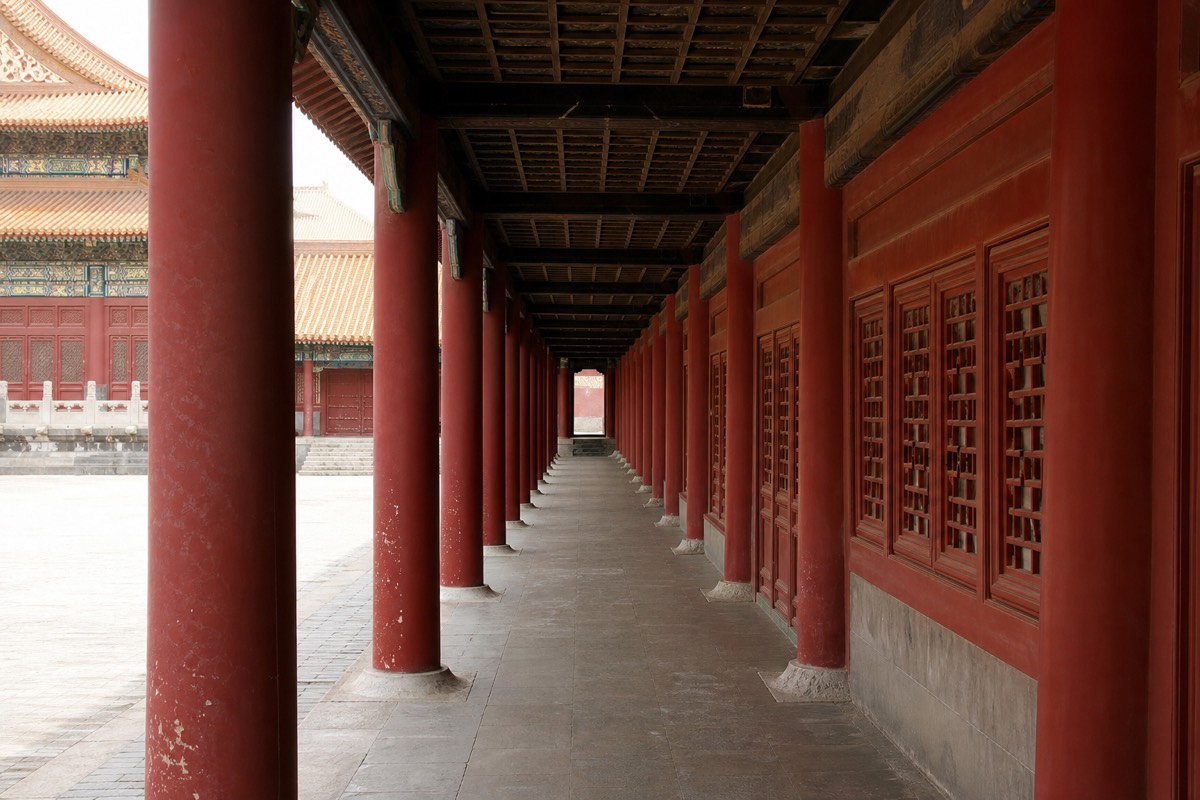
Beyond the advisory's specific legal and surveillance concerns, Beijing functions as a major, well-policed capital city with the infrastructure you'd expect: extensive public transport, widespread security presence around major sites, and a tourism industry well used to foreign visitors. Beijing's own official tourism portal is a useful practical resource alongside the State Department advisory, since it covers the city-level logistics, transport and site information a leisure traveler actually needs day to day, separate from the national-level political and legal risk the advisory addresses. Around the Forbidden City specifically, security is tight rather than lax. Getting into the palace and the adjoining Tiananmen Square both require passport-verified, real-name reservations and separate security checks, which is more friction than a typical tourist site but reflects a controlled environment, not an unsafe one.
Does the ticketing system itself add any risk?
No, if anything it's a sign of how tightly the site is managed. Booking a Forbidden City ticket requires a real passport tied to a specific reservation, checked again at the gate, and combining the palace with the square means passing through that process twice on the same morning. It's more paperwork than a typical museum visit, but it isn't a safety concern in itself: it's the same real-name system every visitor, domestic or foreign, goes through. If you're planning to see both sites together, visiting Tiananmen Square and the Forbidden City in one trip walks through how the two separate checks fit into a single morning.
What general precautions still apply?
The same common-sense habits that make sense in any major foreign capital apply in Beijing too, separate from anything specific to the current advisory: keep a copy of your passport somewhere other than the original, know your hotel's address in the local script, stay aware of your surroundings in crowded tourist areas, and register your trip with the State Department's free traveler program before you go so the embassy can reach you if something changes. None of this is Beijing-specific advice or a sign of elevated danger; it's the same baseline most experienced travelers apply anywhere outside their home country, and it applies just as much on a standard trip built around sites like the Forbidden City, covered in more depth on Britannica's overview of the site, as it would on a trip built around any other major landmark.
Does traveling with a guided tour change the calculus?
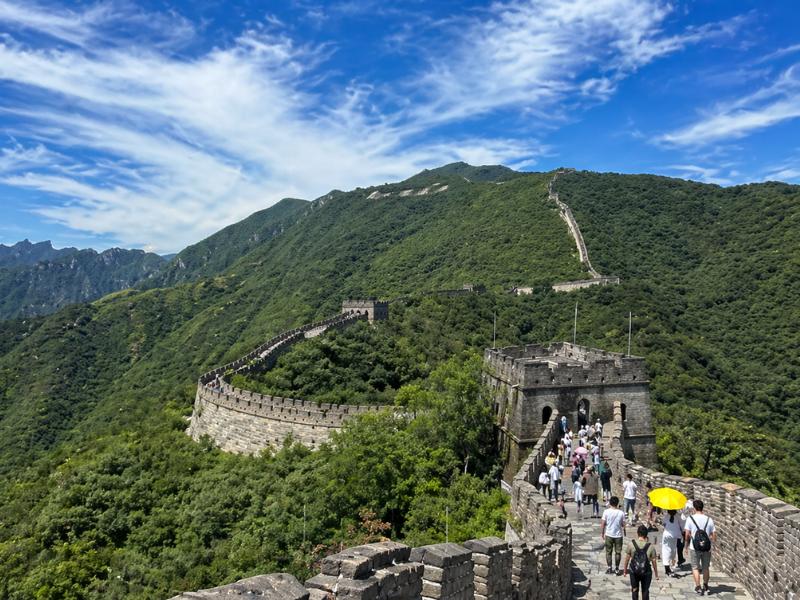
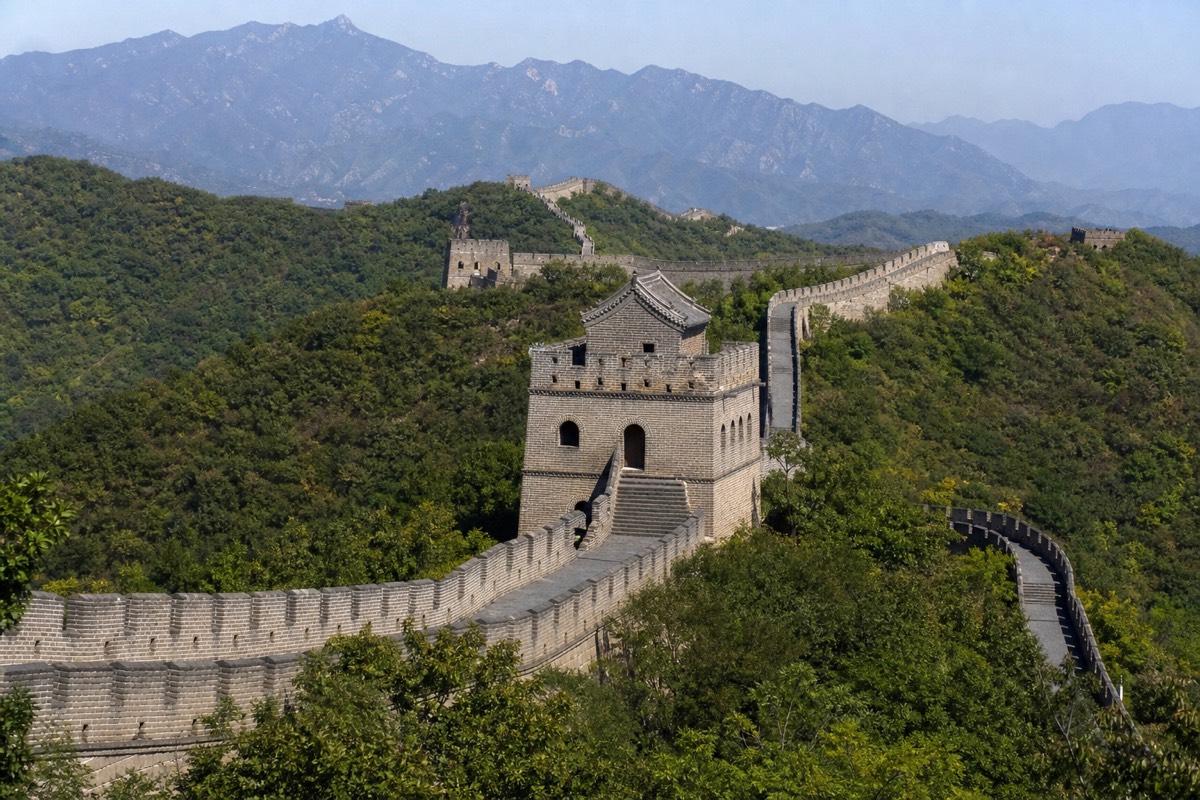
For many first-time visitors to China, a guided tour reduces the parts of the trip that carry the most uncertainty: navigating ticketing systems, language, and unfamiliar transport. Tours like the Forbidden City tour with group or private tickets or the all-inclusive Tiananmen Square, Forbidden City and Great Wall day handle the reservation systems and logistics directly, which doesn't change the advisory's underlying legal and political concerns but does remove a lot of the friction a first-time visitor would otherwise navigate alone.
The honest bottom line
China's current advisory sits at the same level as several of the world's most-visited countries, and the concerns driving it are specific: legal enforcement risk, surveillance, and added exposure for a narrow set of traveler types. They are real and shouldn't be waved away. But for a standard leisure visit to Beijing's major sites, most travelers read the current rating as a call for ordinary awareness, not a reason to stay home. Check the advisory yourself before you travel, since it's the only source that will reflect whatever the current situation is when you actually go.