Forbidden City Tickets: Prices, How to Book & What's Included (2026)
Solo or guided, base ticket or gallery add-on, real-name reservation or turned away at the gate: the booking system trips up more visitors than the palace itself. Here is what admission actually costs, how the reservation system works, and what a guided tour ticket buys you that booking solo does not.
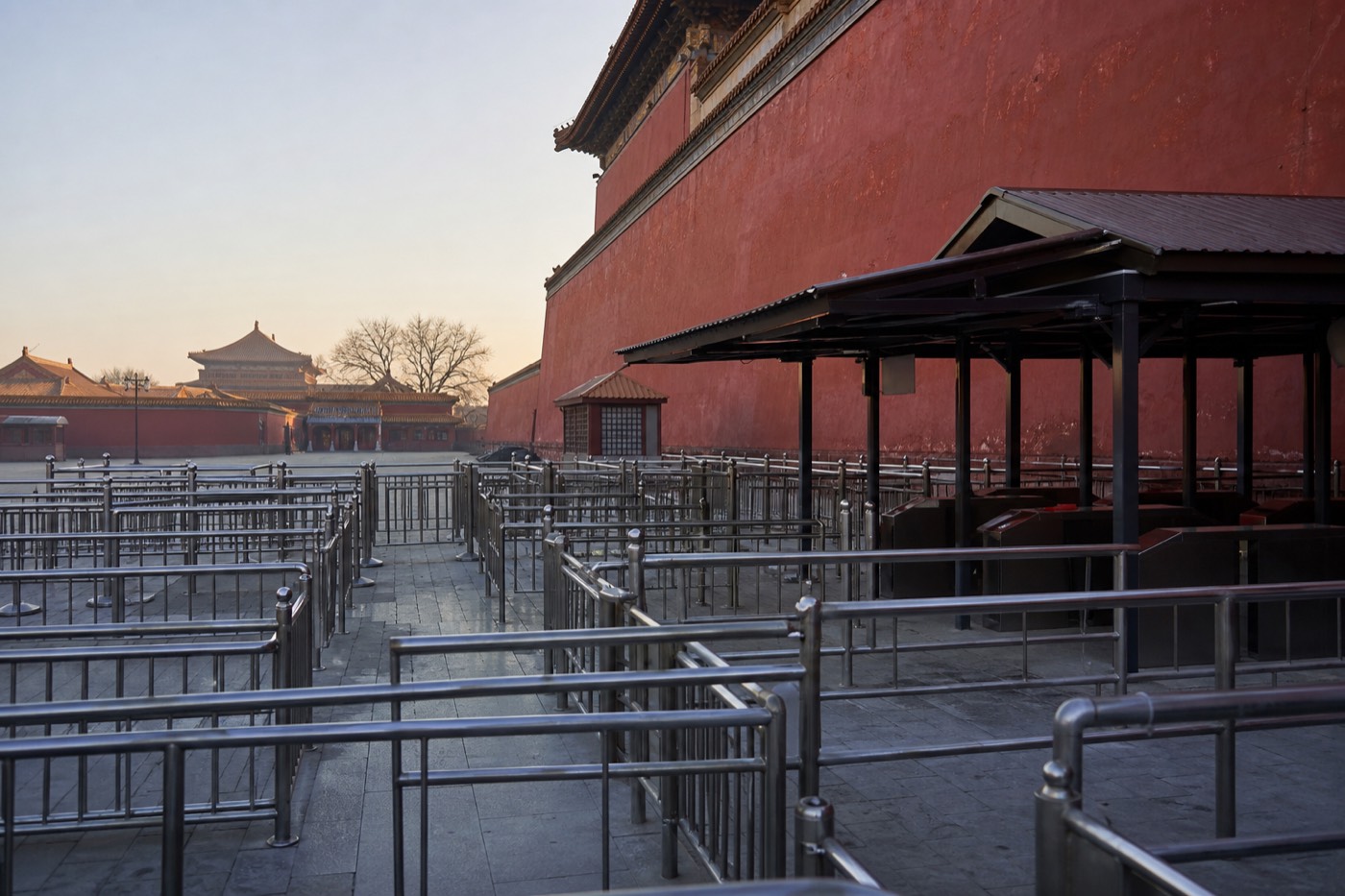
A standard adult ticket costs around 60 RMB in peak season (April 1 to October 31) or around 40 RMB off-season (November 1 to March 31), but every ticket is an e-ticket tied to one passport through a real-name reservation system, and the booking window only opens seven days ahead, at 20:00 Beijing time. There is no walk-up sale at the gate.
If you plan to see this in person, two-hour palace walk is a starting point. Compare its actual route with the time you have.
Booking choice: Choose TG18: English-guided Forbidden City walk and entry ticket. Meet at Meridian Gate; finish at the north gate. No square visit or hotel transfer. Explore Two-Hour Palace Walk
Forbidden City ticket costs at a glance
Figures are approximate RMB prices from the Palace Museum's published rates and change by season and policy, so confirm the live price before booking.
How much do Forbidden City tickets actually cost?
The base admission ticket is the only mandatory purchase, and it is one of the cheaper parts of a Beijing itinerary. Two galleries inside the complex charge separately on top of that base ticket, and both are optional add-ons rather than a second full admission.
| Ticket | Peak season (Apr 1 - Oct 31) | Off-season (Nov 1 - Mar 31) |
|---|---|---|
| Base admission (adult) | around 60 RMB | around 40 RMB |
| Treasure Gallery add-on | around 10 RMB | around 10 RMB |
| Clock Gallery add-on | around 10 RMB | around 10 RMB |
Those numbers come from the Palace Museum's own published pricing and can move with policy changes or holiday scheduling, so treat them as a planning baseline, not a locked figure. Confirm the live price on the Palace Museum's official ticket site before you fix a date, particularly if your trip lands near a national holiday when hours and pricing sometimes shift with little notice. Once your ticket date is locked in, our guide to the best time of day to visit covers how to pick your actual arrival slot. A family of four visiting in peak season is looking at roughly 240 RMB in base admission alone, which by most currency conversions still lands well under $40 total, cheap compared to almost anything else on a Beijing itinerary. That modest ticket price buys entry to a complex whose scale inspired its own folklore, including the legend of its 9,999 rooms.
Why can't you just buy a ticket at the gate?
Because there is no gate sale at all. Every Forbidden City ticket is an e-ticket, booked online or through the museum's WeChat mini-program in advance, and checked against a passport or Chinese ID at entry. This is a deliberate crowd-management measure tied to the site's 80,000-visitor daily cap, not a temporary policy, and it catches a genuine share of first-time visitors off guard every week. Once you're through the gate, dress code and photography rules apply too; our guide to Forbidden City rules, dress code and photo restrictions covers what's allowed inside.
The practical result is that you cannot decide on a whim, over breakfast, to walk over and see the palace that afternoon. Tickets have to exist in the system before you arrive, matched to your passport number, and the gate staff scan that document rather than a paper stub. Group tours solve this differently: the operator books the real-name slots on your behalf as part of the package, using the passport details you supply when you book, so as a guest you show up with your passport and the reservation is already handled. For a step-by-step look at how a booking becomes a usable entry slot, our central axis walking route guide covers what the gate and entry sequence look like once you're through security.
How does the real-name reservation system actually work?
The real-name system means every ticket is tied to exactly one visitor's passport (or Chinese national ID) at the moment of booking, and that same document is checked at the security gate. You cannot buy a ticket for a friend and hand it over later, and you cannot show up with a screenshot belonging to someone else's name. This is standard practice at major Chinese heritage sites now, not unique to the Forbidden City, but it is stricter here than at most Beijing attractions because of the visitor cap.
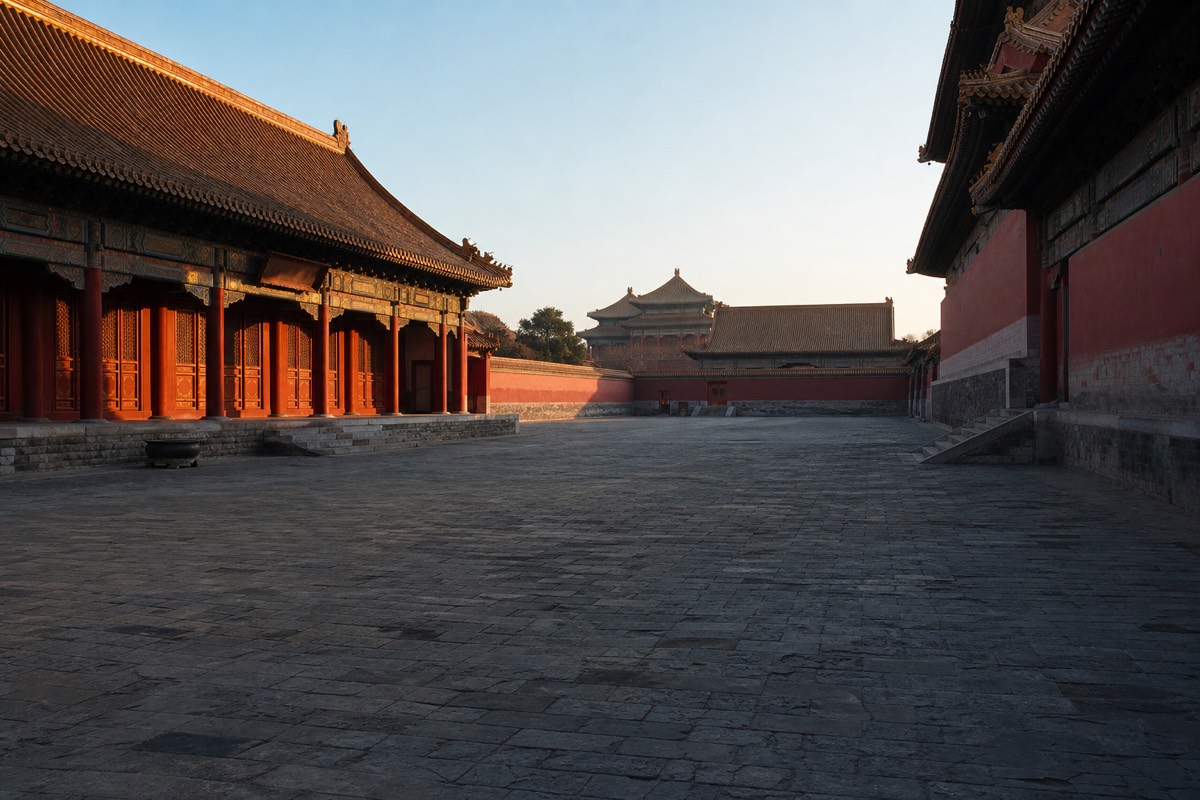
Bring the same passport you used to book. A photocopy, a photo on your phone, or a different family member's passport will not clear the gate. If you are traveling with children who do not hold their own passport booking slot, check the current child-ticket policy on the official site before you rely on a group's shared reservation.
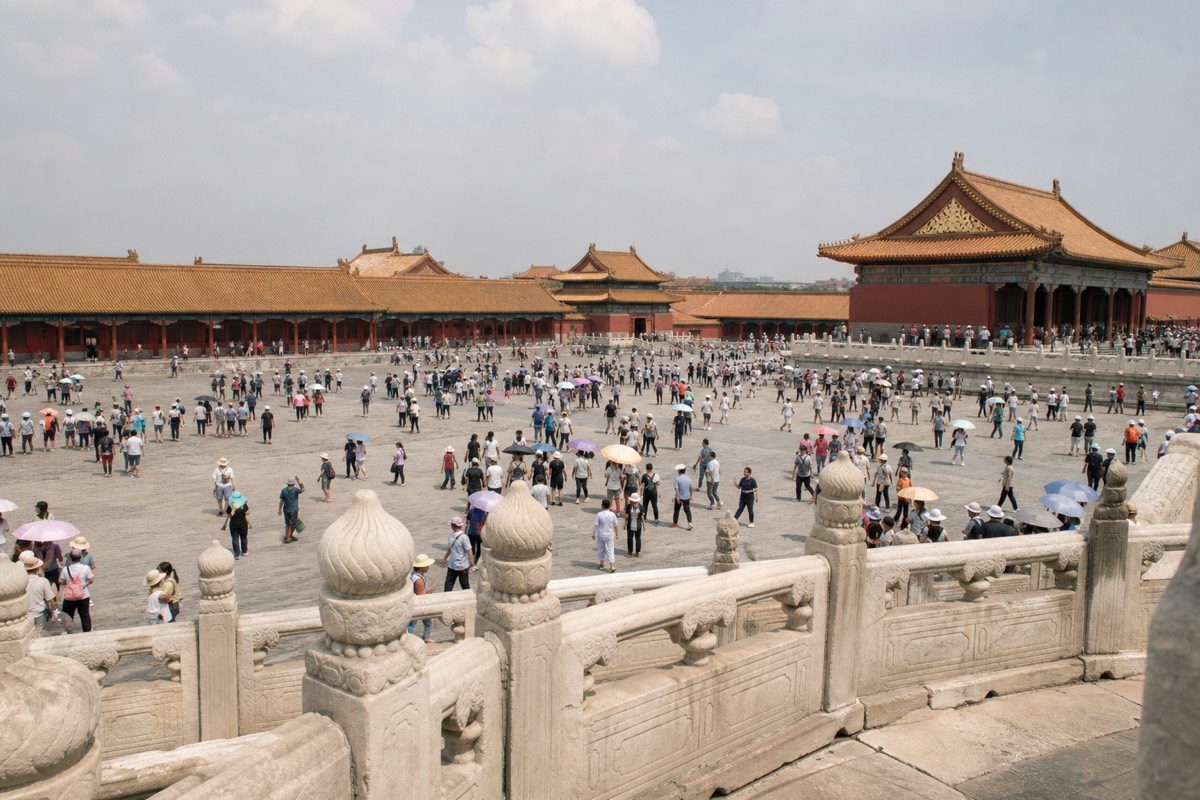
The system exists mainly to spread demand evenly across the day and the calendar, rather than to create friction for its own sake. Because the daily visitor cap sits around 80,000, and because peak-season weekends and national holidays regularly approach that ceiling, real-name booking is how the museum avoids a repeat of the uncontrolled crush days that used to happen before digital ticketing existed.
When do tickets go on sale, and how far ahead should you book?
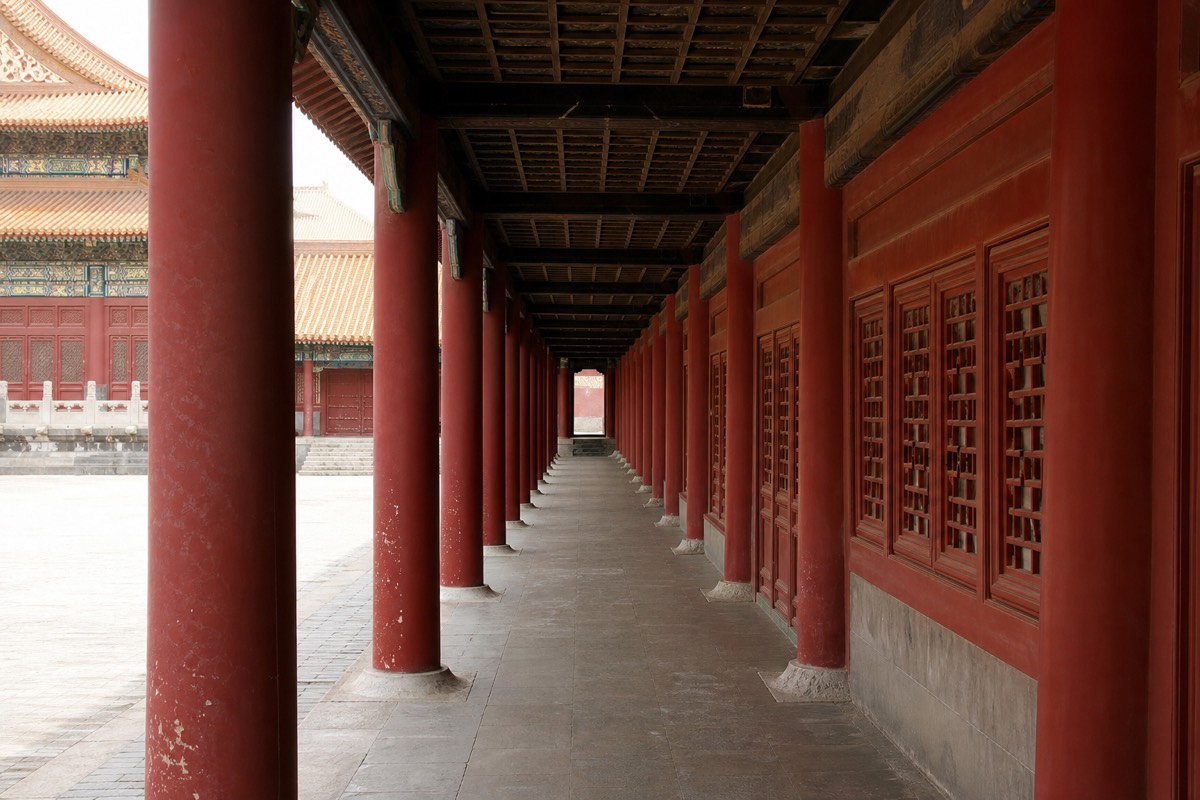
Official tickets release exactly seven days ahead of the visit date, at 20:00 Beijing time, through the Palace Museum's own site and WeChat mini-program. That is a narrow window, and it is entirely in Chinese by default, which is the single biggest practical obstacle for an overseas visitor booking independently.
| Step | When it happens | What to do |
|---|---|---|
| Booking window opens | 7 days before your visit date, 20:00 Beijing time | Have your passport number and visit date ready before this moment |
| Peak demand | First minutes after release, especially weekends/holidays | Book immediately if going solo; popular dates can sell out fast |
| If you miss the window | Same day, later in the week | Check for remaining slots, or switch to a guided tour that pre-books |
| Day of visit | Arrival | Bring the exact passport used at booking; no walk-up sales |
Because the window is only a week out, this system does not suit travelers who like to plan attractions months in advance the way you might book a flight. It rewards flexibility, or it rewards outsourcing the booking to someone who books on your behalf as part of a tour package that includes the tickets.
What are the Treasure Gallery and Clock Gallery add-ons?
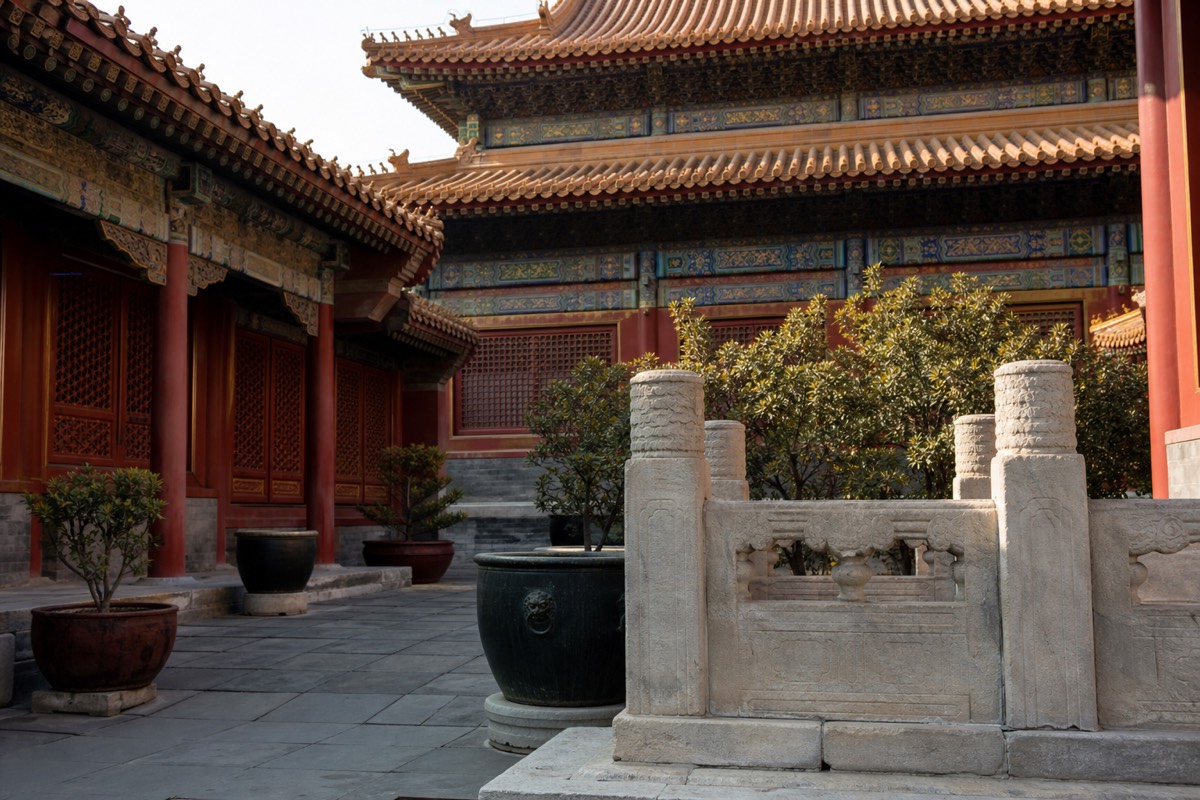
Two optional galleries sit inside the main complex and are ticketed separately from base admission, each for around 10 RMB. Our guide to what's inside the Treasure Gallery covers both in detail, but the short version is worth knowing before you book.
| Gallery | Where it is | What's inside | Extra cost |
|---|---|---|---|
| Treasure Gallery | Palace of Tranquil Longevity complex, northeastern part of the site | Around 400 Qing-dynasty relics on display | around 10 RMB |
| Clock Gallery | Separate hall within the complex | Historic clockwork and timepiece collection | around 10 RMB |
Neither gallery is essential to a first visit, and plenty of guided tours skip both to keep the group moving through the main axis in the time available. But if your schedule has room for a short additional stop and you have an interest in decorative arts or clockwork mechanisms, the Treasure Gallery in particular holds objects you will not see reproduced anywhere else in the complex.
What does a ticket NOT include?
It is easy to assume a single admission ticket covers everything inside the walls, and it does not. The base ticket gets you through the Meridian Gate and along the central axis, but several genuinely worthwhile stops sit outside that base price, and knowing this before you arrive saves an awkward moment at a side entrance.
| Not included in base admission | How to add it |
|---|---|
| Treasure Gallery | Separate add-on ticket, around 10 RMB |
| Clock Gallery | Separate add-on ticket, around 10 RMB |
| Tiananmen Square entry | Entirely separate real-name reservation, own security check |
| English narration | Not included on a solo ticket; comes with a guided tour booking |
| Transport to and from the site | Arranged separately, or included in a guided tour package |
None of these add-ons are expensive by themselves, a few RMB here and there, but they are each a separate decision you have to make, either at booking time for the galleries or well before your trip for Tiananmen Square, since its own reservation window works the same way as the palace's.
Why is the booking process so strict compared to other attractions?
The strictness is not arbitrary. The Forbidden City has been a UNESCO World Heritage Site since 1987, recognized under UNESCO's listing for the Imperial Palaces of the Ming and Qing Dynasties, and a site with that level of historical and architectural value carries real preservation pressure once you factor in an 80,000-visitor daily cap. Ticketing that ties every visitor to a passport and a specific date is fundamentally a crowd-management tool, spreading demand across the calendar so no single day sees an unmanageable crush at the gates. For general Beijing travel planning beyond just this one site, Beijing's official tourism portal is a useful companion resource, since it covers practicalities like transport and other attraction hours that sit outside the Palace Museum's own remit.
What's the difference between a guided tour ticket and booking solo?
A guided tour ticket bundles skip-the-line coordination, English-language narration, and a booking handled in English through a platform you already trust, while a solo ticket means navigating the Chinese-language real-name portal yourself and relying on translated signage once inside. Both get you through the same gate; the difference is entirely in the booking process and what happens once you're inside.
| Guided tour ticket | Solo (self-booked) ticket | |
|---|---|---|
| Booking language | English, via GetYourGuide or Viator | Chinese-first official portal or WeChat mini-program |
| Real-name reservation | Handled by the operator using your passport details | You register your own passport, 7 days out |
| Narration inside | Live English commentary from a guide | None, unless you rent an audio guide separately |
| Entry coordination | Guide manages timing and the security queue | You manage your own timed slot |
| Best for | First-timers, non-Chinese speakers, tight schedules | Repeat visitors comfortable navigating the portal solo |
For most first-time visitors, the language barrier on the official booking portal is the real deciding factor, more than price. The portal is built for domestic Chinese travelers, uses a Chinese ID field by default, and the interface has tripped up experienced independent travelers who read no Chinese. A tour that already includes tickets removes that step entirely: you book in English on a platform you already trust, hand over your passport details once, and arrive to find your slot has been secured on your behalf.
Which tours already include tickets, and what's the difference between them?
All three of the shorter, Forbidden-City-focused tours on this site include entrance tickets in the booking price, so the real-name reservation step is handled for you before you ever reach the gate.
| Tour Option | Time To Allow | What It Includes |
|---|---|---|
| Two-Hour Palace Walk | 2 hours | Choose TG18: English-guided Forbidden City walk and entry ticket. Meet at Meridian Gate; finish at the north gate. No square visit or hotel transfer. |
| Palace Tour Options On GetYourGuide | 3 hours | Choose a two-hour palace-only or three-hour square-and-palace English tour. The six-hour gallery visit is a separate option. |
| Private Palace Walk With Transfer | 4 hours | Choose option 2 (TG3): a four-hour private visit with an English guide, entry and round-trip private car transport. Hotel pickup is within the listed area. |
The current palace-only group option takes about two hours; the square-and-palace option takes about three. Private and gallery itineraries have different durations and inclusions. Compare the exact option and current total on the provider page instead of relying on older prices, ratings or booking counts. Related reading: guide to how long you actually need inside our tour comparison guide
What is the timed-entry slot system, and does it affect a guided tour?
Beyond the real-name reservation, the museum also structures entry around a broader timed-admission framework, spreading arrivals rather than allowing one uncontrolled morning surge. In practice this means your booking is tied not just to a date but effectively to an entry window on that date, and staggered gate access is part of how the site manages its daily cap.
| Booking type | How timing works | What you control |
|---|---|---|
| Solo e-ticket | Booked for a specific date; entry managed at the gate | Which date you book, subject to availability |
| Guided tour ticket | Operator pre-arranges the date and coordinates arrival timing | Which tour and start time you choose when booking |
For a solo visitor, this mostly just means arriving reasonably close to when you intend to enter rather than treating the ticket as valid any time that day. For a guided tour, this coordination is one of the things you are effectively paying for: the operator has already worked out when to arrive relative to gate opening and crowd flow, which matters more than it sounds like it should on a site this large. Our guide to the best time to visit goes further into which hours and seasons see the lightest lines.
What if you want to see Tiananmen Square the same day?
Tiananmen Square sits directly south of the Forbidden City's main gate, and the two feel like one continuous visit on the ground, but the ticketing is not unified. The square requires its own separate real-name reservation, entirely apart from the Forbidden City ticket, and involves a second passport security check.
| Forbidden City | Tiananmen Square | |
|---|---|---|
| Reservation required | Yes, real-name, 7 days ahead | Yes, separate real-name reservation |
| Security check | Passport checked at palace gate | Separate passport check at square entry |
| Physical distance | - | About 10 minutes' walk between the two |
A physical passport is required at both checkpoints; a photo or photocopy is not accepted at either. First-time visitors sometimes assume one ticket covers both sites because they sit back to back, and that assumption causes more than a few frustrating mornings. Our dedicated guide to visiting Tiananmen Square and the Forbidden City together walks through the sequencing in more detail, including which order to book each reservation in.
What documents and preparation do you actually need?
The requirements are short, but each one is a genuine deal-breaker if missed. Skipping any of these is the single most common reason independent travelers get turned away at the gate, according to the operators who run tours here daily.
| Item | Why it matters |
|---|---|
| Physical passport | Required at the gate; photos or copies are not accepted |
| Booking confirmation | Matched against your passport number at entry |
| Correct entry date | Real-name tickets are date-specific, not open-dated |
| Comfortable footwear | Required by the site's dress guidance; the walking distance is substantial |
None of this is unusual by the standards of major heritage sites worldwide, but the combination of a Chinese-language booking portal, a passport-only entry rule, and a seven-day booking window is a specific set of hurdles you will not encounter at, say, the Louvre or the Colosseum. Knowing them in advance is most of the battle.
What happens if tickets sell out for your date?
Popular dates, particularly weekends and the run-up to national holidays, can sell through their real-name allocation within the release window. If that happens on the official channel, your realistic options are checking for a different date, watching for released capacity later in the week, or booking a guided tour where the operator has secured its own allocation of real-name slots as part of running the tour business.
This is the most concrete argument for booking a guided ticket ahead of a trip rather than leaving it to the seven-day window: tour operators typically hold slots as part of their regular operations, which sidesteps the scramble that can hit solo bookers trying to grab a specific popular date at the exact moment release opens.
Common mistakes when booking Forbidden City tickets
- Assuming you can buy at the gate. There is no walk-up sale; arriving without a booking means no entry, full stop.
- Bringing a photo of your passport instead of the physical document. Gate staff check the real document.
- Booking Tiananmen Square and the Forbidden City as if one ticket covers both. They are two separate real-name reservations.
- Waiting past the seven-day window to check availability. Popular dates can be gone within the release window's first hours.
- Skipping the Treasure Gallery ticket, then trying to add it at the gate. Decide on add-ons before you finalize your booking where possible.
Does the booking process differ for peak versus off-season visits?
The real-name mechanics stay identical year-round: same seven-day window, same 20:00 Beijing time release, same passport requirement. What changes is pressure on the system itself. In peak season, April through October, demand is heaviest and popular weekend dates can move through their allocation quickly once the window opens. Off-season, November through March, both the ticket price and the competition for a given date drop, which is one reason travelers focused purely on avoiding hassle sometimes shift a flexible trip toward the cooler months. Hours also shift with the season: peak-season admission runs 8:30am to 5:00pm with last entry at 4:00pm, while off-season hours run 8:30am to 4:30pm with last entry at 3:30pm, and the site is closed on Mondays except for statutory holidays either way. Our best time to visit guide goes deeper on the full seasonal calendar if timing your whole trip around lighter crowds matters to you.
What should international travelers double check before their trip?
A short pre-trip checklist saves most of the headaches described above. Confirm your passport has enough validity left for your travel dates, since it is the one document that clears every checkpoint at the site. Decide before you land whether you want the Treasure Gallery or Clock Gallery add-ons, since it is one less decision to make once you're standing at a ticket window with a queue behind you. If Tiananmen Square is part of your plan, treat its reservation as a genuinely separate task on your to-do list, not an afterthought that rides along with the palace ticket. And if your dates fall near a Chinese public holiday, build in extra flexibility, since both crowd levels and ticket availability shift around those periods more than on an ordinary week.
None of this requires special expertise, just awareness that the Forbidden City's booking system runs on its own rules, shaped by its scale and its status as a protected UNESCO World Heritage Site rather than by any intent to make visiting difficult. Once you know the rules, the process itself takes only a few minutes, whichever route you choose.
So which way should you book?
If you read and navigate Chinese comfortably, or you already have a specific date locked in and are willing to be online right at 20:00 Beijing time seven days out, booking the official e-ticket solo works and it is the cheapest route in. For nearly everyone else, particularly first-time visitors juggling a broader Beijing itinerary, a guided tour ticket removes the two hardest parts of the process: the language barrier on the booking portal and the real-name coordination itself. You can browse all six guided tour options on this site, each of which already bundles entrance tickets into the price, with English narration included on top.