Forbidden City & Tiananmen Square: How to Visit Both
Two of Beijing's most-visited sites sit end to end, close enough to walk between in ten minutes. Most first-time visitors assume that means one ticket covers both. It doesn't, and knowing the real sequence before you go saves a wasted morning.
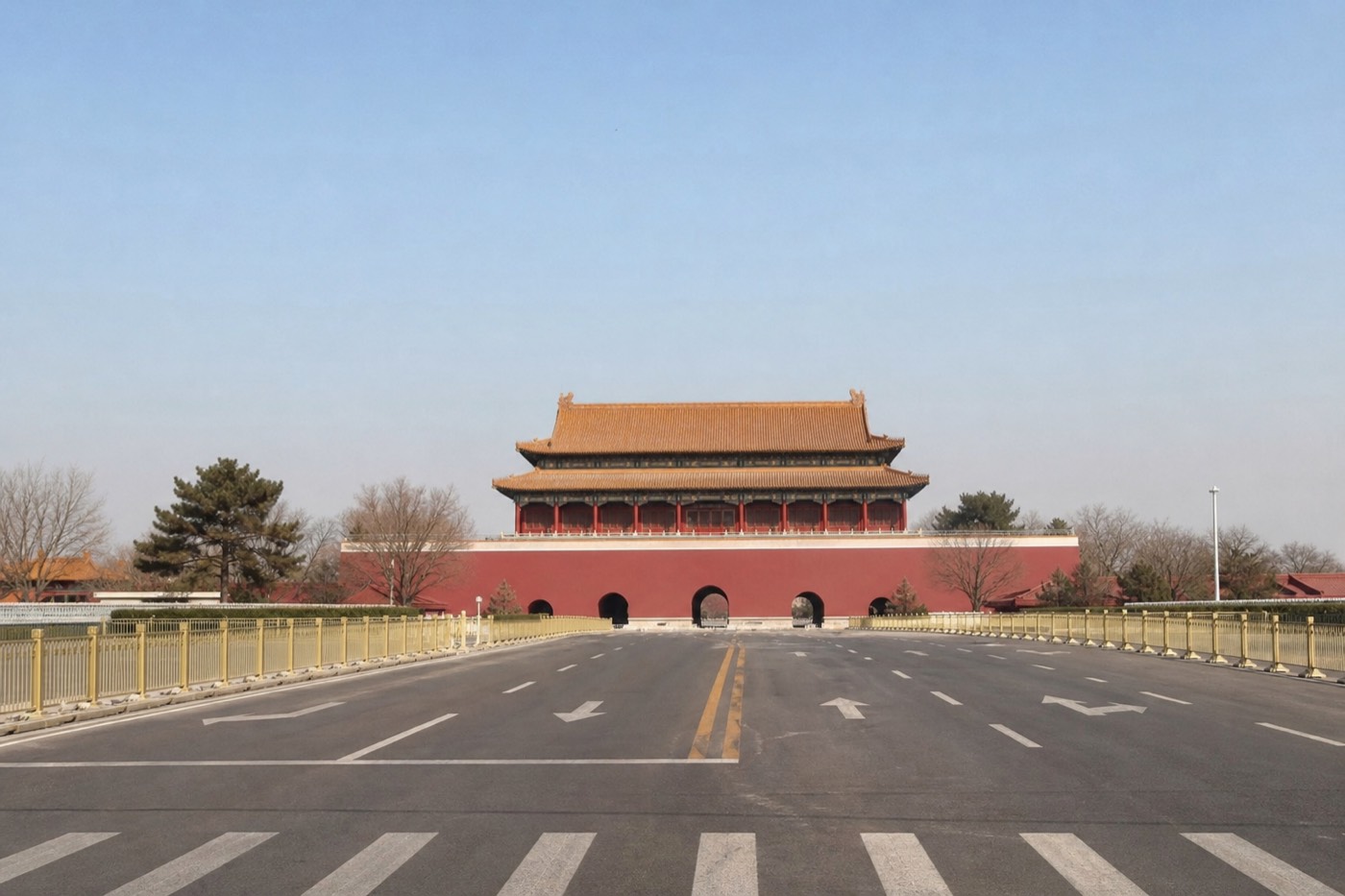
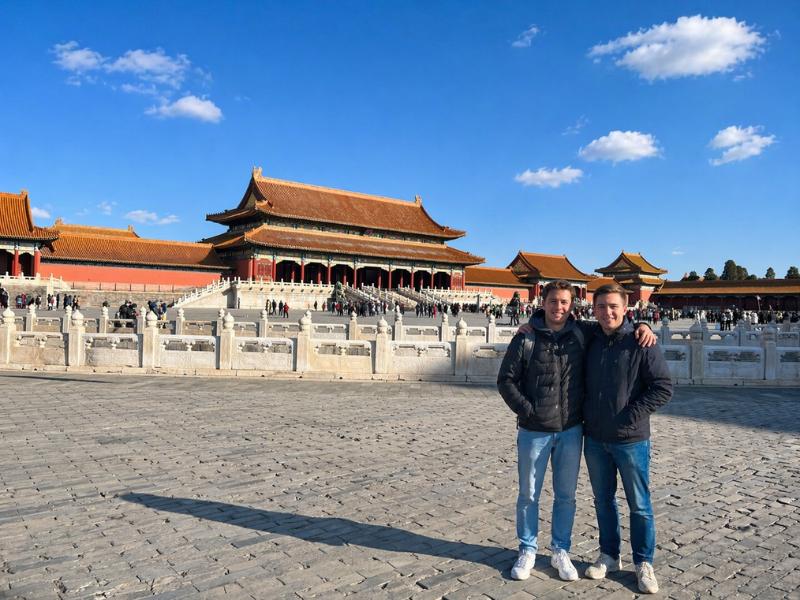
Yes, you can see Tiananmen Square and the Forbidden City in the same morning: the square's north end opens directly onto the palace's main gate, an easy walk of roughly 880 meters that takes about 10 minutes. The complication is paperwork, since the square and the palace each run their own real-name reservation system and their own passport security check.
If you plan to see this in person, tiananmen square and palace walk is a starting point. Compare its actual route with the time you have.
Booking choice: Choose TG11: around three hours through Tiananmen Square and the Forbidden City with an English guide and palace ticket. Meet at Laoshe Teahouse; no hotel transfer. Explore Tiananmen Square And Palace Walk
Combining both sites: the two-checkpoint route
Both checkpoints require a physical passport and their own separate real-name reservation; queue times vary by season and are not precisely published, so treat this as a route map, not a timer.
Why do two neighboring sites need two separate tickets?
Tiananmen Square and the Forbidden City sit end to end in the middle of Beijing, and on a map they look like one continuous space. Administratively, they are not. The square is managed under its own real-name reservation system, entirely separate from the Palace Museum's e-ticket system that covers the Forbidden City itself. Booking a Forbidden City ticket does not get you into the square, and a square reservation does not include palace admission. Each booking is free-standing, and each is tied to a specific passport at the moment you reserve it.
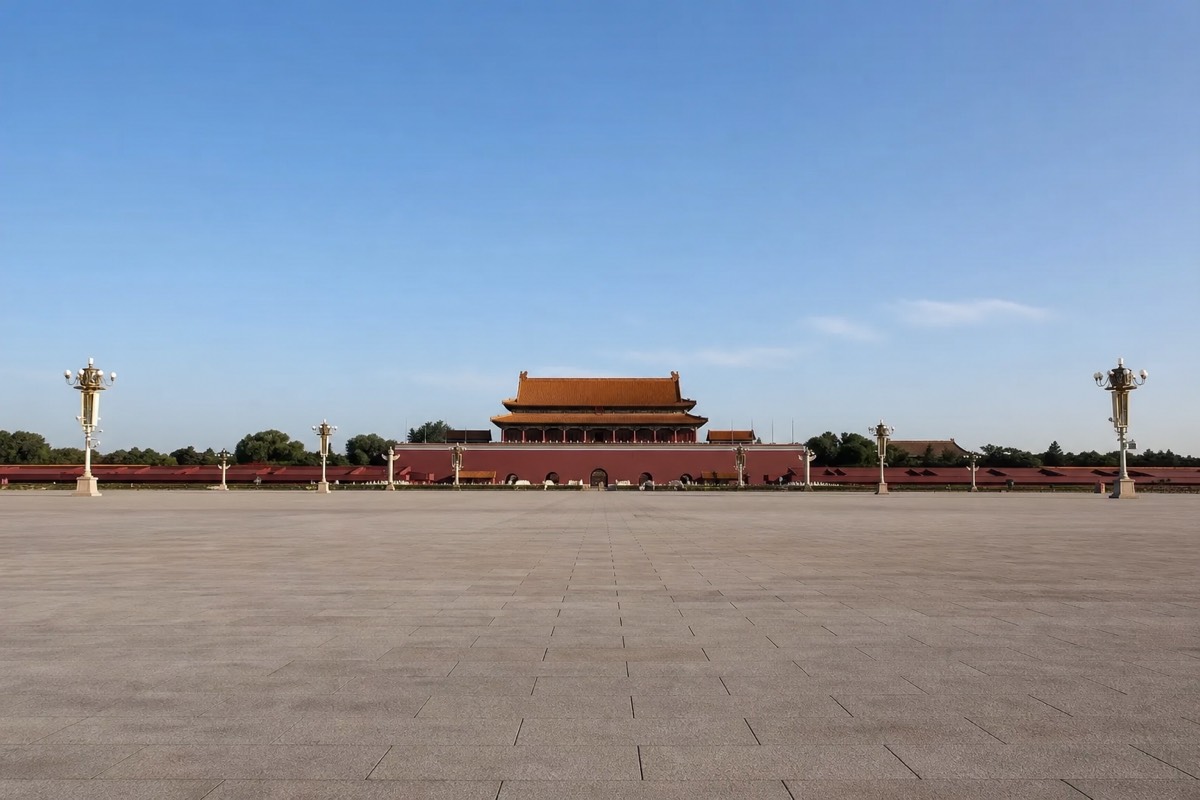
This catches a lot of first-time visitors off guard. Looking at photos, the square and the palace read as one giant plaza-and-gate complex, so it's a reasonable assumption that one pass would cover the lot. In practice it means two separate booking steps before you ever leave the hotel, on two different websites, each wanting the same passport number but issuing it against a different date and time window.
| Tiananmen Square reservation | Forbidden City ticket | |
|---|---|---|
| What it covers | Entry to the square only | Entry to the palace grounds and halls only |
| Typical cost | Free, reservation only | Around 60 RMB peak season, 40 RMB off-season |
| Tied to | Your passport number | Your passport number |
| Booked through | The square's own security reservation channel | The Palace Museum's official e-ticket site or WeChat mini-program |
| Security check | Separate checkpoint at square entry | Separate checkpoint at the Meridian Gate |
Laid out side by side like this, the two systems look almost identical in structure, real-name, passport-tied, single-site, and that similarity is exactly what causes the confusion. Travelers assume that because the process feels the same, one booking must roll into the other. It doesn't. Each reservation is checked independently at its own checkpoint, and neither system can see or validate the other's booking.
What do the two security checks actually involve?
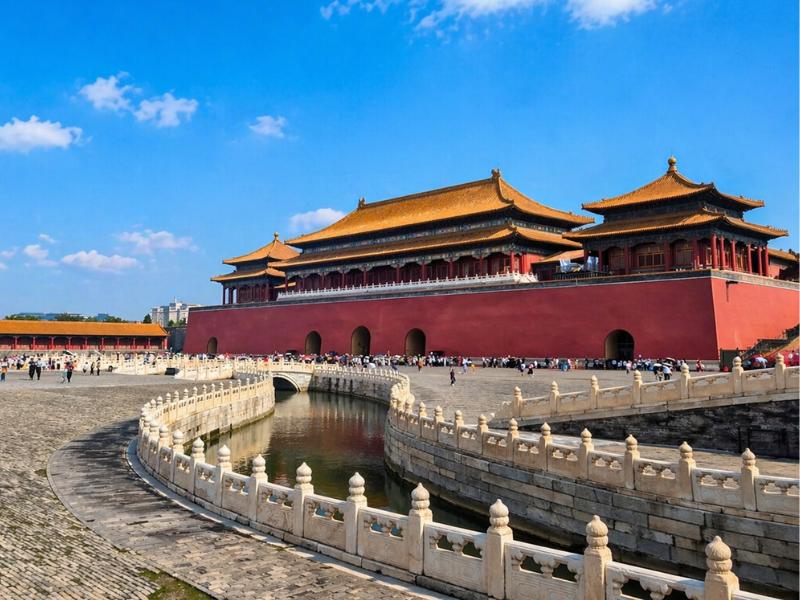
Budget real time for this part of the morning. Entering Tiananmen Square from the south, or through one of the pedestrian underpasses, means clearing a security checkpoint: bags through a scanner, a walk through a metal detector, and a passport check against your square reservation. Walking north across the square and up to the Forbidden City's Meridian Gate means a second, completely separate checkpoint, with its own scanner and its own passport verification, this time matched against your Palace Museum ticket rather than your square booking.
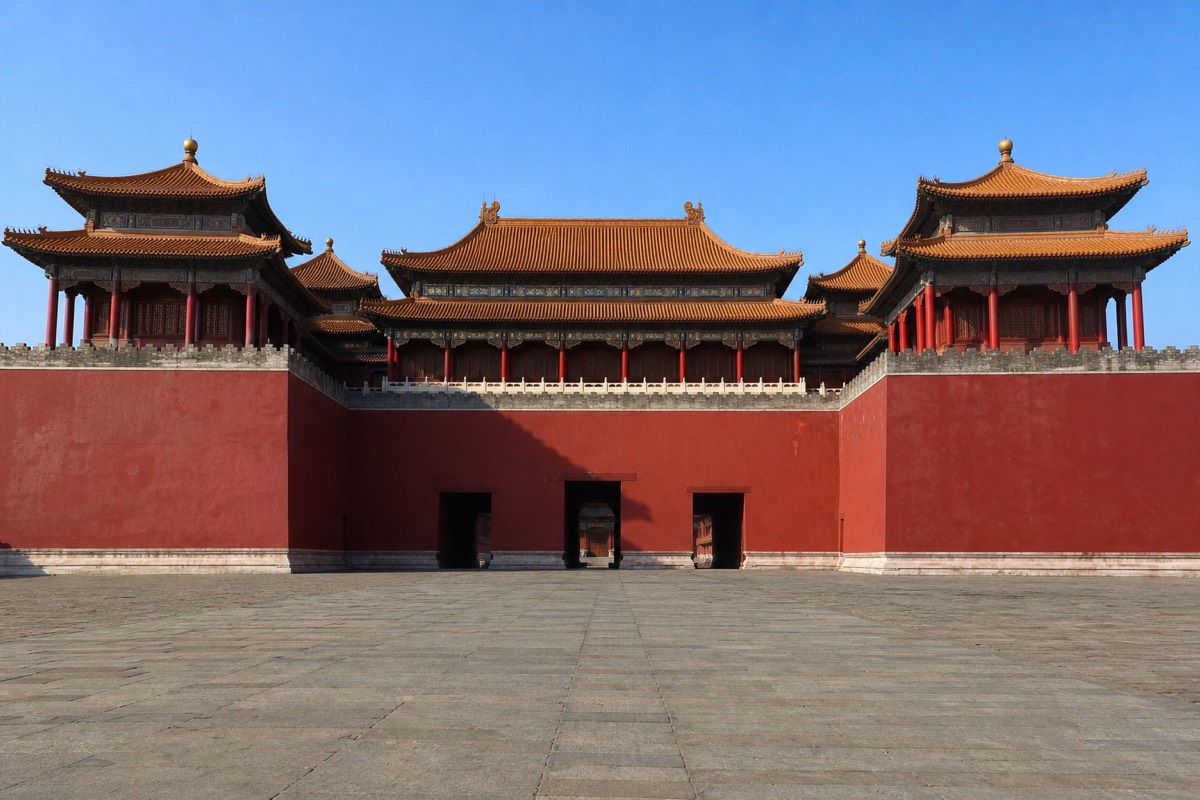
Both checks require the physical passport document. A photo of the passport's picture page on your phone is not accepted at either checkpoint, and neither is a photocopy. This is one of the few moments on a Beijing trip where leaving the actual passport in the hotel safe, thinking a digital copy will do, can genuinely end the morning before it starts. Build in extra minutes at each line, especially during peak season, when even a process that takes a minute or two per traveler once you reach the front can back up into a real queue.
What makes the two checks feel repetitive rather than merely thorough is that they are run by entirely separate systems with no shared database a visitor can see. Clearing the square's checkpoint doesn't pre-clear you for the palace's, and the staff at the Meridian Gate have no way to know you were already screened ten minutes earlier a few hundred meters south. This is precisely the friction a guide on a bundled Tiananmen Square and Forbidden City tour absorbs: they carry printed or digital confirmations for both reservations, know which lane to queue in at each checkpoint, and can flag an issue with a booking before it becomes a problem at the scanner rather than after.
How far is the walk from the square to the palace gate?
Tiananmen Square runs roughly 880 meters from north to south, one of the largest public squares of its kind anywhere in the world, and walking from around its center up to the Forbidden City's main gate takes about 10 minutes at an unhurried pace. That's the genuinely convenient part. You are not crossing a city between two sights, the way you would pairing the palace with somewhere farther out; you are crossing one long, open square.
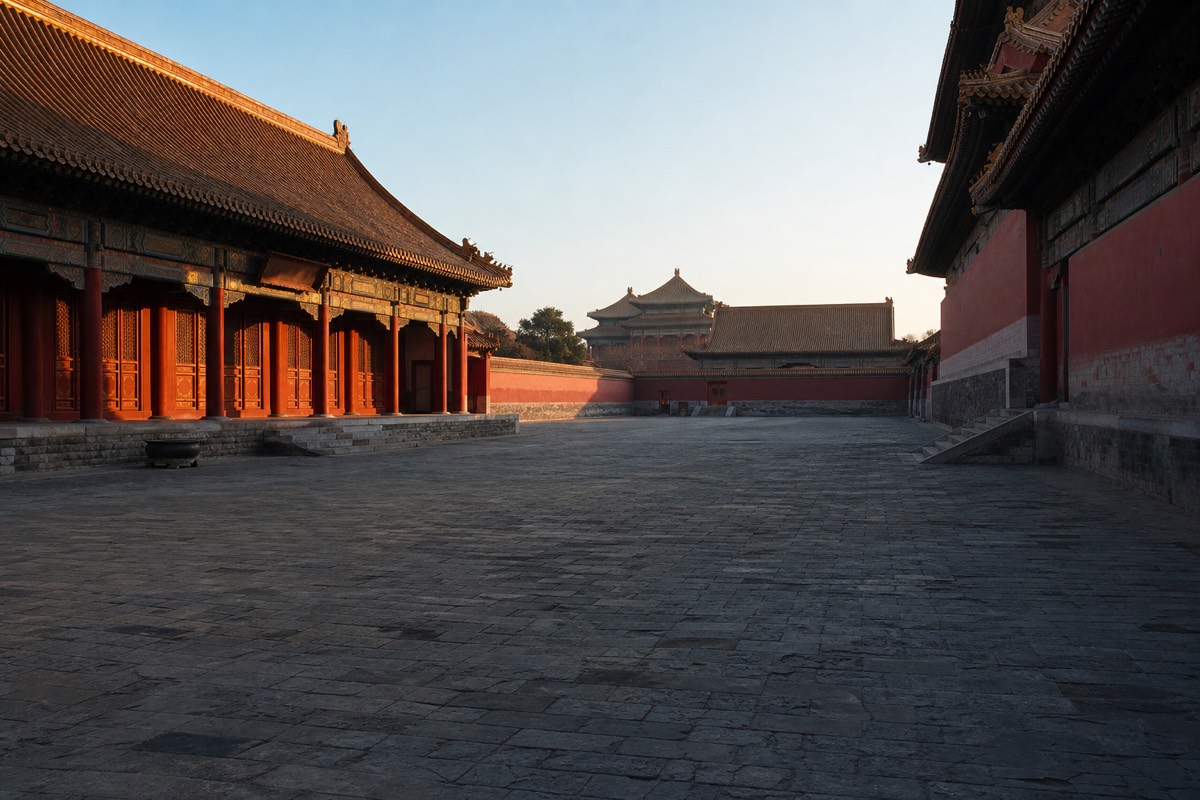
The distance itself doesn't spare you either security line, though. Depending on how the square's controlled zone is configured on a given day, you may clear one checkpoint to enter the square and effectively queue again at the Forbidden City's own gate. Treat the ten-minute walk as the easy part of the morning and the two checkpoints as the part that actually decides how long the whole thing takes.
What's the best order: square first or palace first?
Most visitors do the square first and the palace second, and there's a practical reason beyond simply following the compass north. Our guide to crowds, hours and closed days covers why an early start matters once you're inside the palace walls, where the crowd builds steadily through the late morning. Arriving at the square first, seeing the flag ceremony if the timing lines up, then walking north to the palace as it opens for the day, sets you up to be inside the Forbidden City during its calmer early hours rather than its busiest ones.
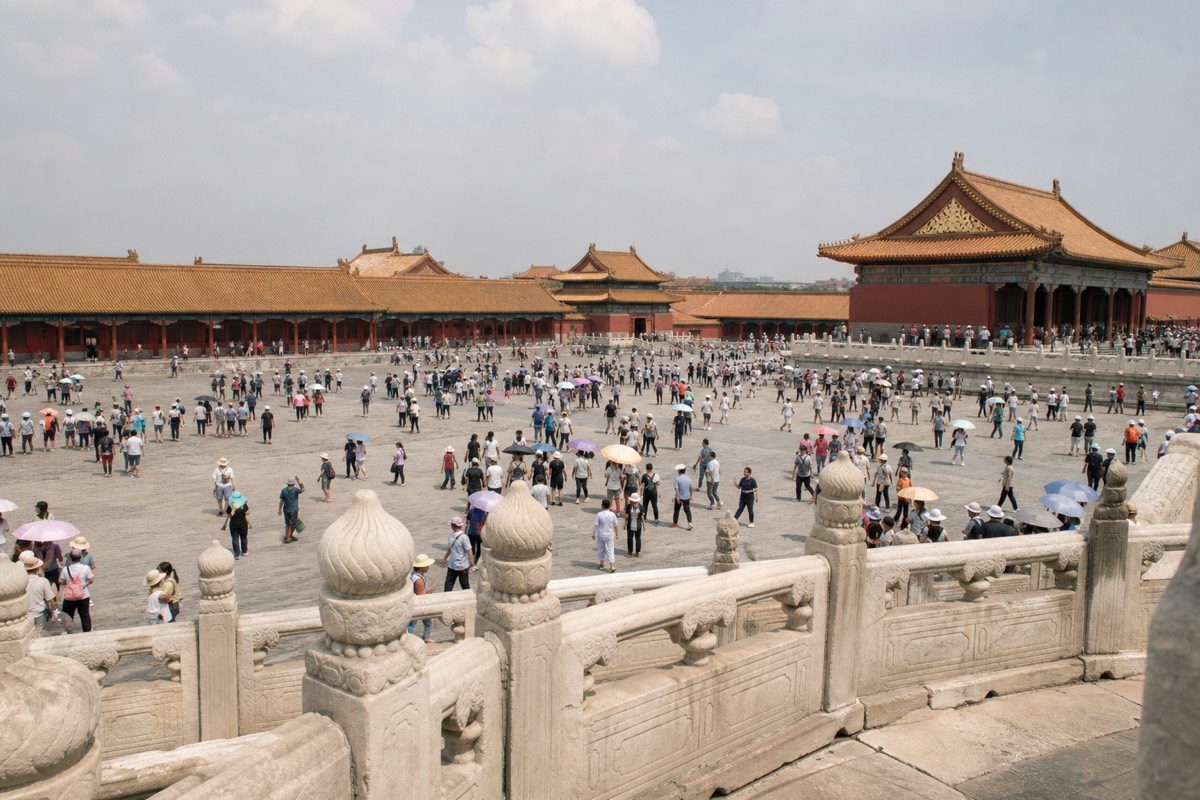
Palace first, square second works too, and some travelers prefer it because the Forbidden City takes the bulk of the mental and physical energy, leaving the square as a shorter, open-air stop to unwind on afterward. Either order is workable in practice. What matters more than the order is not underestimating how much total time both stops eat once the checkpoints and the walk are added to a proper look through the palace itself, which our guide on how long to budget inside covers in more detail.
A realistic order-of-operations for combining both
Here is a workable sequence for a self-guided combined visit, assuming both reservations are already booked several days in advance under the same passport.
| Step | What happens | Rough time |
|---|---|---|
| 1 | Arrive at the Tiananmen Square security checkpoint with passport and square reservation | 15-30 min, queue dependent |
| 2 | Walk the square, view the Monument to the People's Heroes and the Great Hall of the People from outside | 20-40 min |
| 3 | Walk north across the square toward Tiananmen Gate | ~10 min |
| 4 | Clear the Forbidden City's separate passport check and ticket scan at the Meridian Gate | 10-20 min, queue dependent |
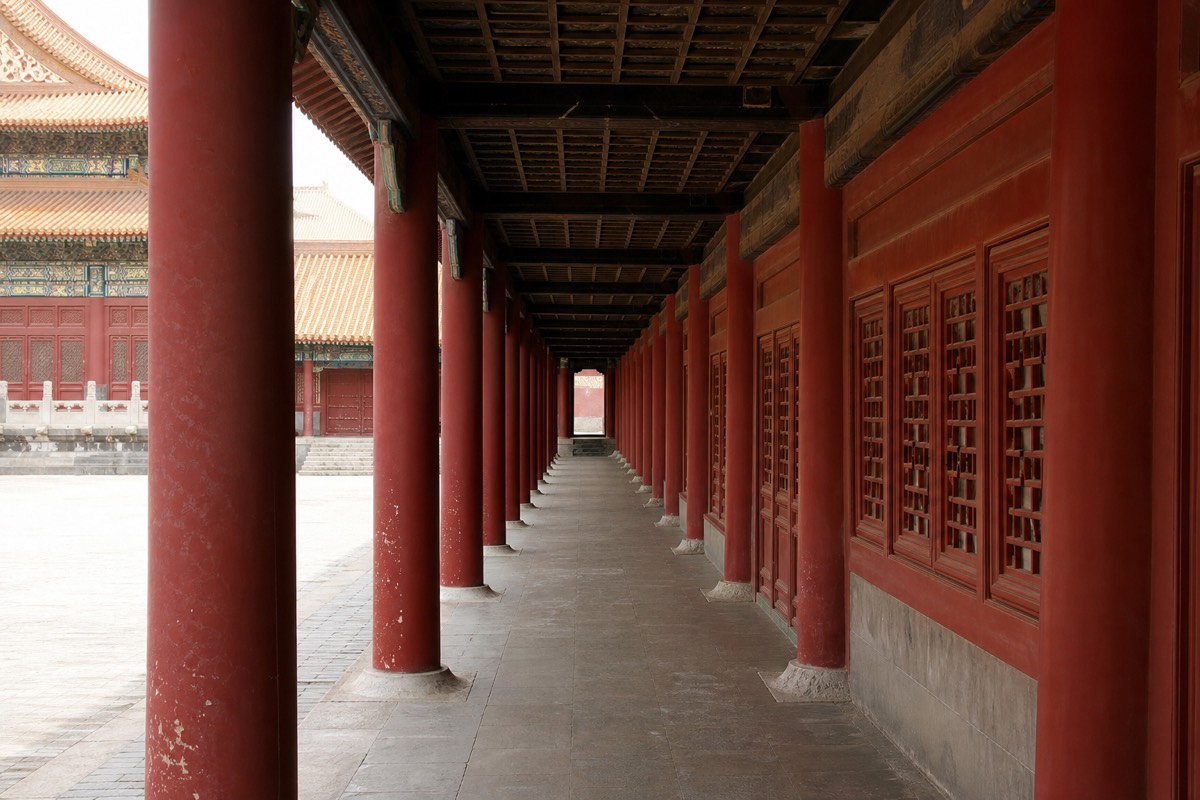
| 5 | Walk the palace's central axis, main halls and at least one side courtyard | 2.5-4 hours |
| 6 | Exit via the north gate (Gate of Divine Prowess) toward Jingshan Park, if time allows | optional add-on |
Add it up and a self-guided combined visit runs a genuine four to five hours from the first checkpoint to walking out the palace's north gate, before counting Jingshan Park. That's a full, satisfying morning of sightseeing, not the quick add-on stop it can look like on a map.
What do you actually walk through once you're past the Meridian Gate?
Step five in that table, "walk the palace's central axis," covers a lot of ground, and it's worth knowing what's inside it before you budget the two and a half to four hours. The Forbidden City is laid out along a single north-south line, and almost every first-time visitor follows it start to finish.
| Stop | What it is |
|---|---|
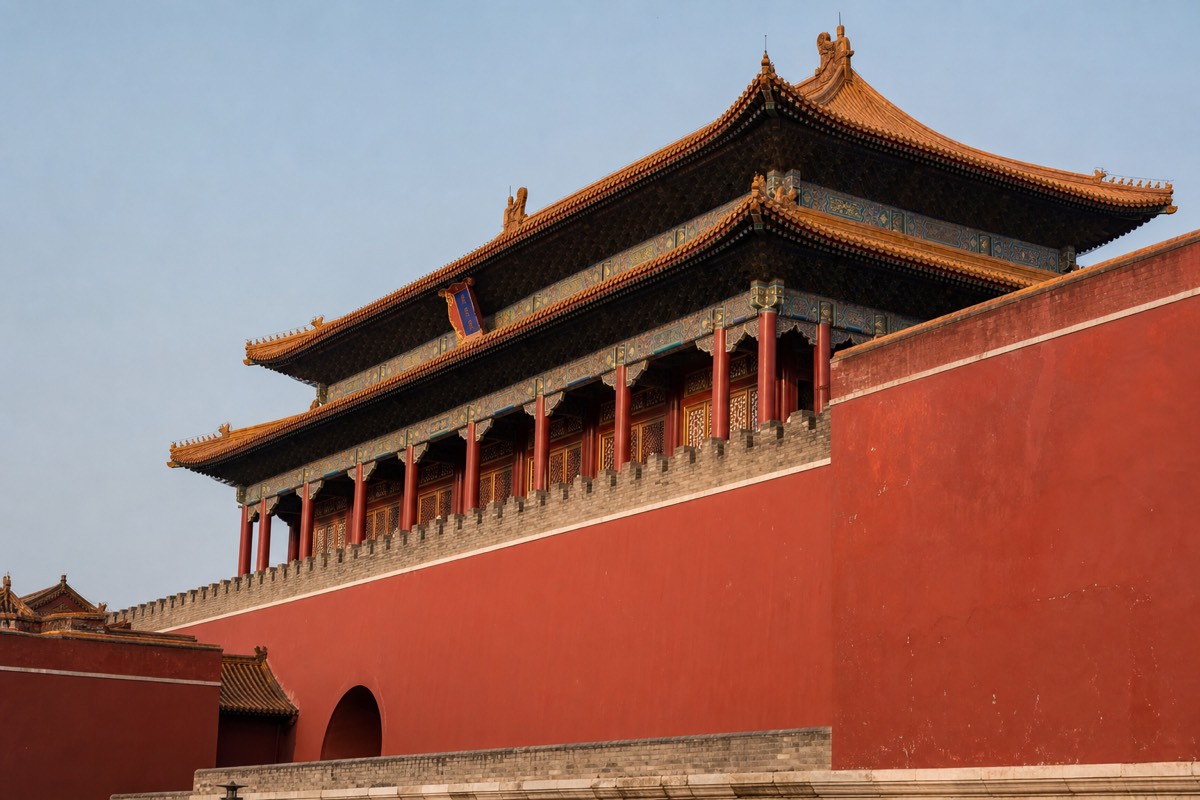
| Meridian Gate | Main southern entrance, about 38m tall, five towers in a "Five Phoenix" layout |
| Gate of Supreme Harmony | Threshold into the great outer-court courtyard |
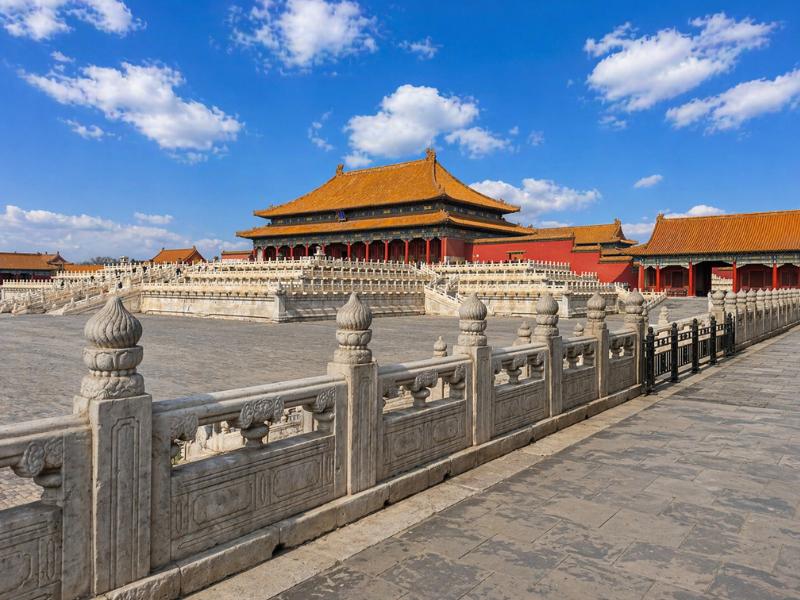
| Hall of Supreme Harmony | Largest single building in the complex, roughly 64m x 37m, the throne hall |
| Hall of Central Harmony & Hall of Preserving Harmony | Two smaller ceremonial halls continuing the axis |
| Inner court | Residential halls where the emperor and household lived |
| Imperial Garden | Landscaped garden near the northern end |
| Gate of Divine Prowess | North exit, toward Jingshan Park |
Our landmark-by-landmark guide to the Meridian Gate, Treasure Gallery and Hall of Supreme Harmony goes deeper into each of these stops if you want to know what to expect before you're standing in front of them, and it's worth reading before the trip if the combined day means you're moving through the axis at a slightly faster pace than a dedicated Forbidden City day would allow.
Does a guided tour actually remove the double-booking problem?
This is where a tour that books both sites for you earns its price for a lot of travelers. A tour built around both sites handles both real-name reservations on your behalf using the passport details submitted at booking, so you show up with your physical passport and a guide instead of juggling two separate booking windows, two ticket systems, and the seven-day advance release rule the Palace Museum uses for its own e-tickets, which our guide to booking Forbidden City tickets walks through in full. The guide also tends to know which checkpoint queue is moving faster at a given hour on a given day, which isn't something a first-time visitor can know in advance from a hotel room.
The tradeoff, as with any guided visit, is flexibility. The day runs on the group's schedule and pace rather than yours. For most first-time visitors trying to manage two real-name reservation systems, one of which is not always presented in English, that tradeoff is usually worth making.
Which tours bundle Tiananmen Square with the Forbidden City?
Choose TG1 private: palace, Tiananmen Square and Mutianyu, with transport, entrances, lunch and the listed wall ride option. Allow a full 9–11-hour day. On Mondays the operator substitutes Jingshan for the palace. Moderate fitness is required. No guaranteed return time for flights or trains.
Choose a two-hour palace-only or three-hour square-and-palace English tour. The six-hour gallery visit is a separate option. The provider excludes under-5s, over-70s and wheelchair users. Meeting point depends on the option; transport is not included in every option.
What should you actually see in Tiananmen Square?
The square itself is worth more than a walk-through on the way to the palace. It's flanked by the Great Hall of the People to the west and the National Museum of China to the east, with Mao Zedong's mausoleum toward the southern end and the Monument to the People's Heroes rising near the center. The flag-raising ceremony at sunrise draws a genuine crowd of both tourists and locals, and it moves quickly, so check the exact time for the day you're visiting rather than guessing at it. Photography is unrestricted across the open square, a contrast to the no-flash rule that applies once you're inside the Forbidden City's halls, which is covered along with the rest of the palace's dress code and photography rules.
| Landmark | Position in the square |
|---|---|
| Great Hall of the People | West side |
| National Museum of China | East side |
| Mao Zedong's mausoleum | Southern end |
| Monument to the People's Heroes | Near the center |
| Tiananmen Gate | Northern end, the gate toward the Forbidden City |
What does the Forbidden City ticket itself actually cost?
Since the palace half of the combined visit is the one with a real admission fee attached, it's worth knowing the numbers before you book. The Forbidden City's own e-ticket is priced by season, with two optional add-ons for visitors who want to see everything.
| Ticket | Price | Season / notes |
|---|---|---|
| Standard adult admission | Around 60 RMB | Peak season, April 1 - October 31 |
| Standard adult admission | Around 40 RMB | Off-season, November 1 - March 31 |
| Treasure Gallery add-on | Around 10 RMB extra | Separate ticket, inside the Palace of Tranquil Longevity |
| Clock Gallery add-on | Around 10 RMB extra | Separate ticket |
All of it is sold as an e-ticket only; there's no walk-up or paper ticket sale at the gate, and every ticket is tied to a single passport through the same real-name system that governs the square reservation. Our full guide to Forbidden City tickets, prices and booking covers the add-on galleries and the booking process in more depth than fits here.
What are the opening hours for each site?
The two sites don't run on a shared schedule, which matters if the morning is tight.
| Site | Typical hours | Notes |
|---|---|---|
| Tiananmen Square | Early morning through evening, flag ceremony at sunrise and sunset | Separate real-name reservation, own security checkpoint |
| Forbidden City (Apr 1-Oct 31) | 8:30am-5:00pm, last admission 4:00pm | Closed Mondays except statutory holidays |
| Forbidden City (Nov 1-Mar 31) | 8:30am-4:30pm, last admission 3:30pm | Closed Mondays except statutory holidays |
The Monday closure is the detail that trips up the most planning. If the only free morning of a Beijing trip lands on a Monday, the square is still open but the palace is not, barring a statutory holiday exception, so it's worth checking the calendar before locking in a date for the combined visit.
What should you bring for both checkpoints?
| Item | Needed for | Note |
|---|---|---|
| Physical passport | Both checkpoints | No photo or photocopy accepted at either |
| Square reservation confirmation | Tiananmen Square checkpoint | Booked separately from the palace ticket |
| Forbidden City e-ticket | Meridian Gate checkpoint | Tied to your passport at booking, released seven days ahead at 20:00 Beijing time |
| Comfortable walking shoes | Both sites | Footwear required; long stretches of open paving and stone |
The seven-day release window catches out travelers who try to book at the last minute. The Palace Museum's own ticket site opens each day's allocation exactly a week ahead at 20:00 Beijing time, via its official site or WeChat mini-program, and popular dates can move quickly once that window opens. If you're combining both sites on a fixed date, that's the moment to have both bookings ready to go, not the morning of.
Common mistakes when combining both sites
The single biggest mistake is booking only the Forbidden City ticket and assuming it covers the square, or the reverse. Because both systems are real-name and tied to a specific passport and date, there's no fixing this on the spot if you arrive at one checkpoint holding only the other reservation. A second common mistake is leaving the physical passport at the hotel because "the ticket's on my phone," not realizing both checkpoints want the actual document, not a photo of it. A third is underestimating the time involved, treating the combination as a quick twenty-minute detour rather than the four-to-five-hour morning it actually is once both checkpoints and a proper visit inside the palace are counted.
A smaller but real mistake is skipping a check on China's current general travel guidance before the trip. The U.S. State Department's advisory level for China shifts periodically, and while it applies nationally rather than singling out Beijing specifically, it's worth a direct look at the State Department's China travel advisory page before departure, since the current rating can change and shouldn't be assumed from an old article.
Is it worth combining both in one day, or splitting them?
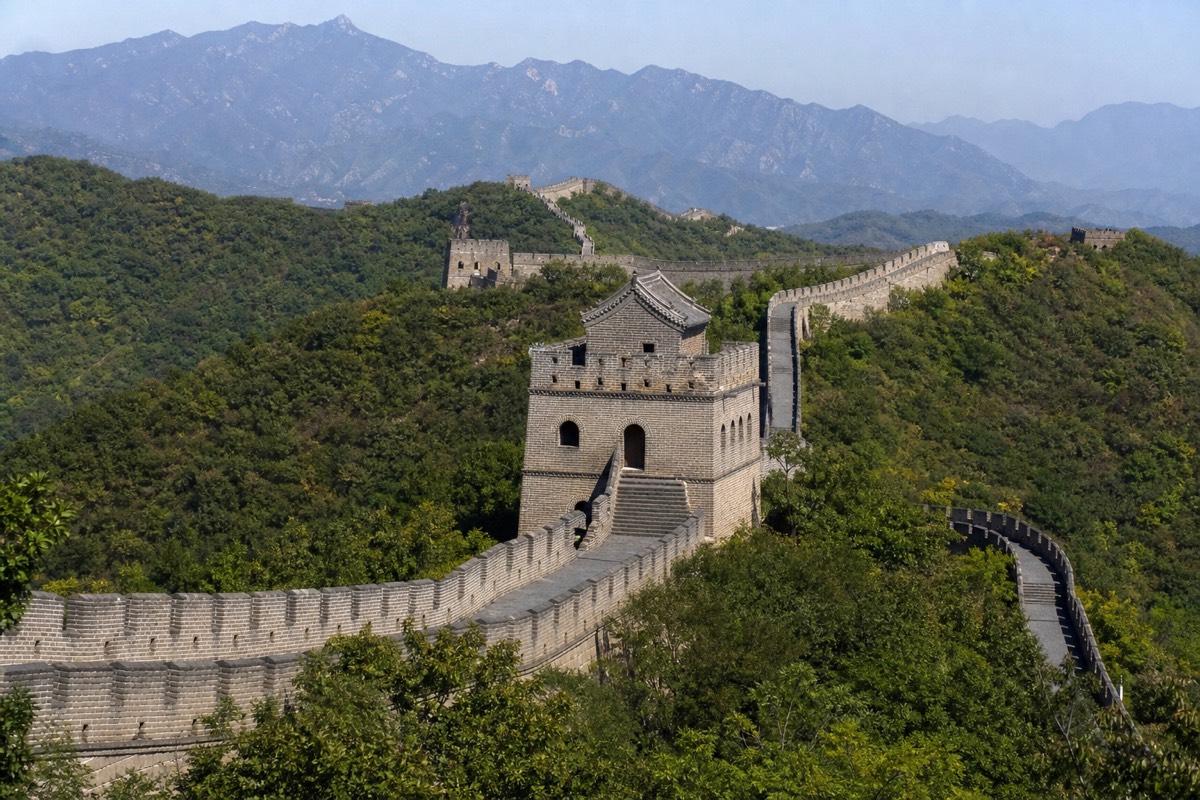
For most itineraries, combining them in one morning makes sense precisely because they're adjacent, unlike pairing the palace with a Great Wall day trip, which involves real drive time out of the city and a very different set of tradeoffs. Splitting the square and the palace across two separate days only really makes sense if mornings are scarce overall, or if you'd rather treat the Forbidden City as its own unhurried full day, in which case our guide to the palace's central axis walking route is worth reading first, so you know what a full, unrushed visit actually covers before deciding how to split the time.
The Beijing Central Axis, the historic north-south line running through both the square and the palace, was added to UNESCO's World Heritage list in 2024, a separate listing from the Forbidden City's own 1987 inscription; see the UNESCO listing for the Beijing Central Axis for the official record. That's part of why the two sites feel so connected on the ground. They were laid out along the same central planning line in the same imperial city, and modern Beijing still treats that axis as the spine of its historic core, which is exactly why the walk between them feels so direct.
What if you only have time for one?
If the choice comes down to one site, the Forbidden City is almost always the better use of limited time. Tiananmen Square, while genuinely significant, is fundamentally an open public plaza you can appreciate in twenty to thirty minutes; the palace is a multi-hour complex of halls, courtyards and history that rewards a real block of time. Travelers with only an hour or two free are usually better served walking through the square briefly on their way to or from another part of the city, then giving the palace its own dedicated visit on a different day, rather than trying to force a rushed version of both into the same short window. The official ticket site, the Palace Museum's own English-language portal, is the place to check current admission details before deciding how to split the time.
The bottom line
Combining Tiananmen Square and the Forbidden City is one of the most geographically convenient pairings in Beijing, a ten-minute walk apart, but it isn't a single-ticket, single-checkpoint outing. Book both reservations under the same passport well ahead of the date, bring the physical document to both checkpoints, and plan for a genuine four-to-five-hour morning rather than a quick stop on the way to somewhere else. If that sounds like more coordination than you want to manage from a hotel room with a ticket site in Chinese, the all-inclusive Tiananmen and Great Wall day tour hands the logistics to someone who handles this every day and shows up knowing which line moves.