Who Was Puyi? China's Last Emperor and the Forbidden City
Puyi became emperor at two years old and lost his throne at six, yet kept living inside the Forbidden City for another twelve years. His story explains how the palace became a public museum.
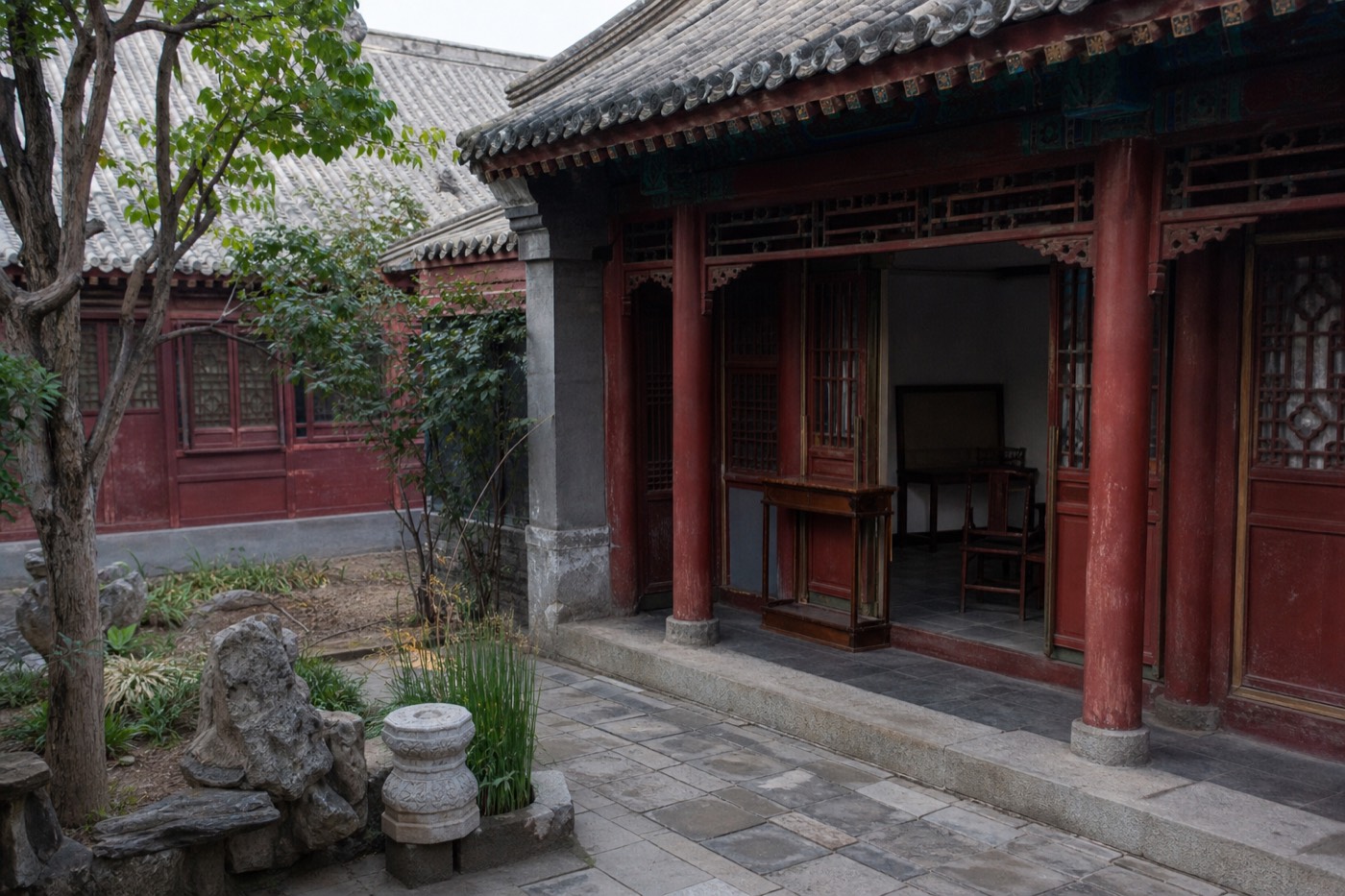
Puyi was China's last emperor, enthroned in 1908 at age two and forced to abdicate in 1912 at age six when the Qing dynasty collapsed. He kept living inside the Forbidden City's inner court for another twelve years under a deal that let him keep his title and residence, until a 1924 coup expelled him for good. He later became the Japanese-installed puppet ruler of Manchukuo before dying in 1967.
If you plan to see this in person, private palace walk with transfer is a starting point. Compare its actual route with the time you have.
Booking choice: Choose option 2 (TG3): a four-hour private visit with an English guide, entry and round-trip private car transport. Hotel pickup is within the listed area. Explore Private Palace Walk With Transfer
A toddler on the throne
Puyi was born on February 7, 1906, into the Qing imperial clan, and became emperor in 1908 at just two years old after the death of the Guangxu Emperor. A two-year-old obviously did not rule; regents and court officials governed in his name while he grew up inside the Forbidden City, the only home he had ever known, surrounded by the rituals and isolation of a court that was, even then, running out of time. He is remembered today simply as China's last emperor, a title that captures both how briefly his own reign lasted and how completely his abdication closed the door on the Qing dynasty and imperial rule itself. Our overview of the Forbidden City's history covers the wider arc of the Qing dynasty's final decades that Puyi's early reign sat inside.
Abdication, but not eviction
The Qing dynasty did not survive Puyi's childhood. The Xinhai Revolution swept the country in 1911, and on February 12, 1912, six-year-old Puyi was forced to abdicate, formally ending the Qing dynasty and, with it, China's imperial system. What makes his story unusual is what happened next: the abdication agreement, known as the Articles of Favorable Treatment, let Puyi keep his imperial title and continue living inside the Forbidden City's inner court, funded by the new Republican government. For twelve more years, a boy with no empire to rule still occupied the palace at the center of Beijing, tutored and attended by eunuchs, effectively frozen inside a world the revolution had already ended outside its walls.
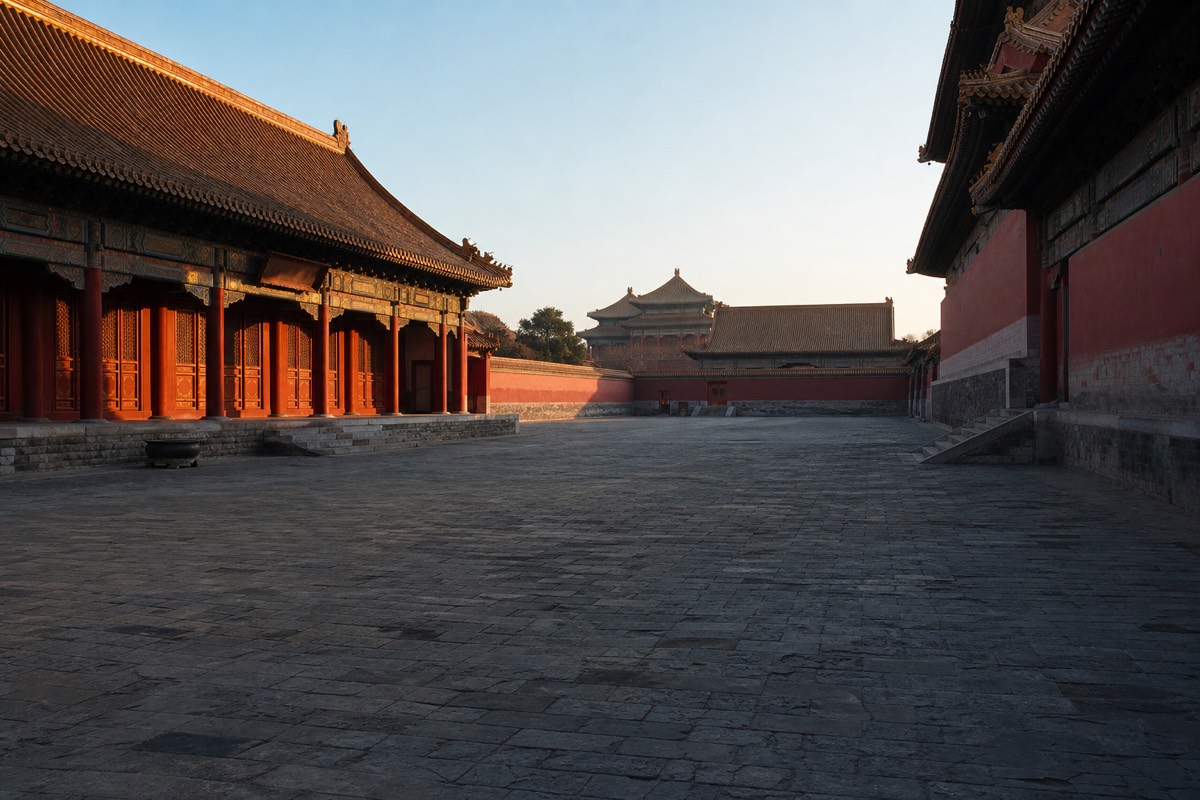
The 1924 coup that finally expelled him
That arrangement ended abruptly. In 1924, the warlord Feng Yuxiang staged what's known as the Beijing Coup, and one of its acts was revoking the Articles of Favorable Treatment and expelling Puyi from the Forbidden City for good. Within a year, on October 10, 1925, the palace reopened to the public under a new name, the Palace Museum, closing the loop between imperial residence and public institution in barely twelve months. Our Forbidden City vs. Palace Museum guide picks up that transition in more detail.
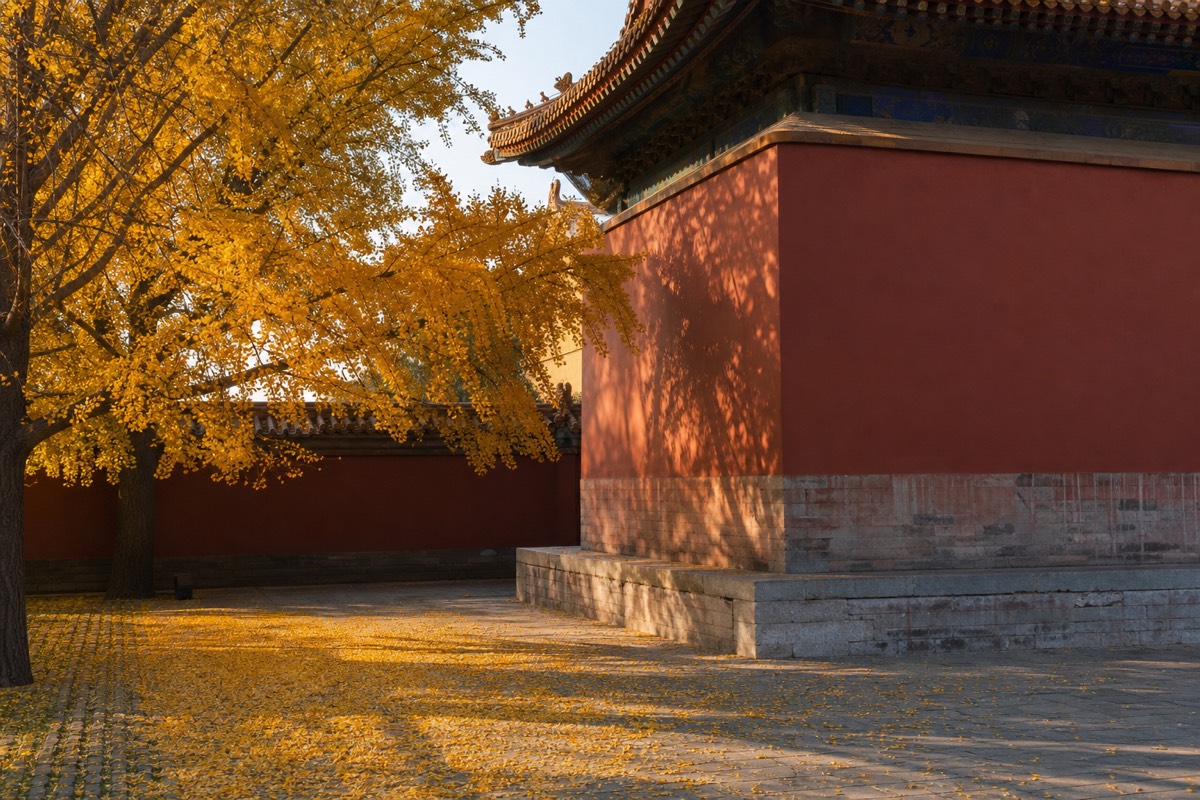
Puppet emperor of Manchukuo
Puyi's story did not end with his expulsion from Beijing. In 1934, Japan installed him as the puppet "Emperor" of Manchukuo, a nominally independent state carved out of northeastern China under Japanese military control. He held that hollow title until Japan's defeat in 1945, after which he was captured and held by Soviet and then Chinese authorities, eventually released after a period of political reeducation. He lived out his remaining years as a private citizen of the People's Republic of China and died in 1967. It's a startling arc for one life: emperor at two, a private citizen by the end, with a puppet throne and two revolutions in between.
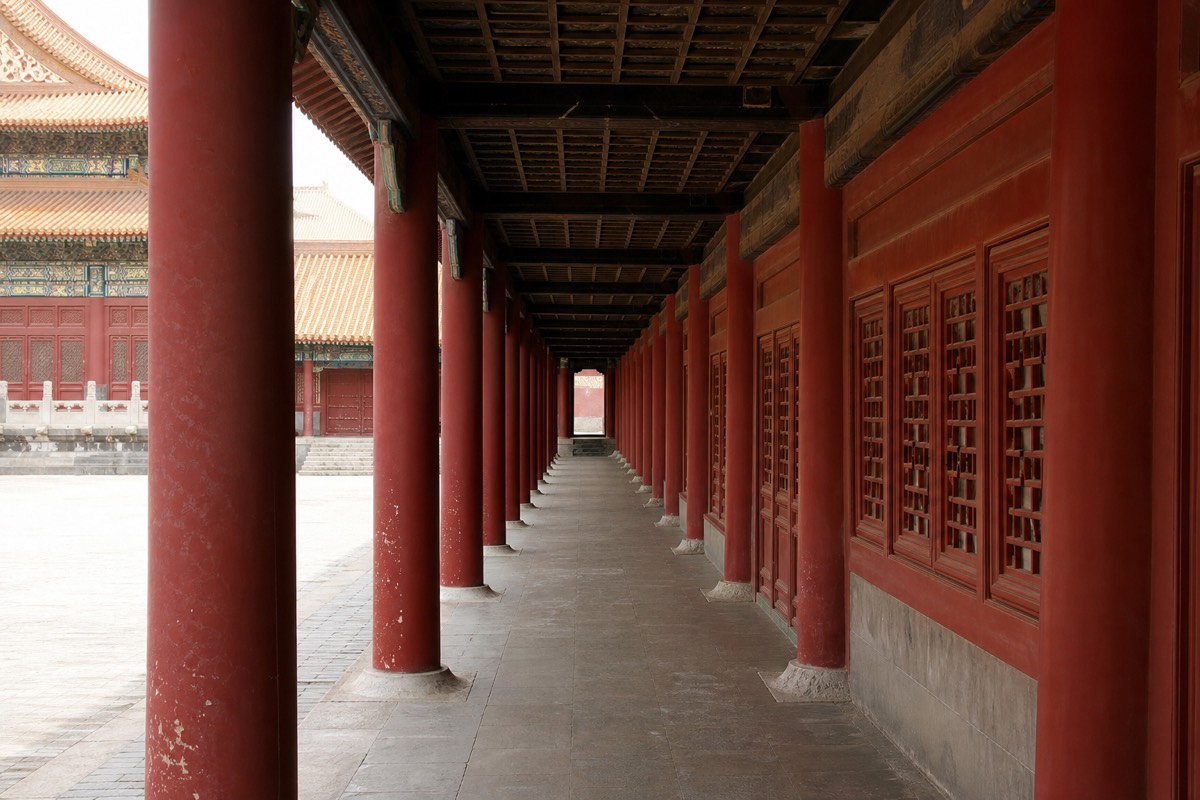
Puyi's life, at a glance
| Year | Event |
|---|---|
| 1906 | Born February 7 |
| 1908 | Becomes emperor at age two |
| 1912 | Forced to abdicate at age six (Xinhai Revolution), February 12 |
| 1912-1924 | Continues living in the Forbidden City's inner court under the Articles of Favorable Treatment |
| 1924 | Expelled from the palace after Feng Yuxiang's Beijing Coup |
| 1925 | The Forbidden City reopens to the public as the Palace Museum |
| 1934-1945 | Japanese puppet "Emperor" of Manchukuo |
| 1967 | Dies |
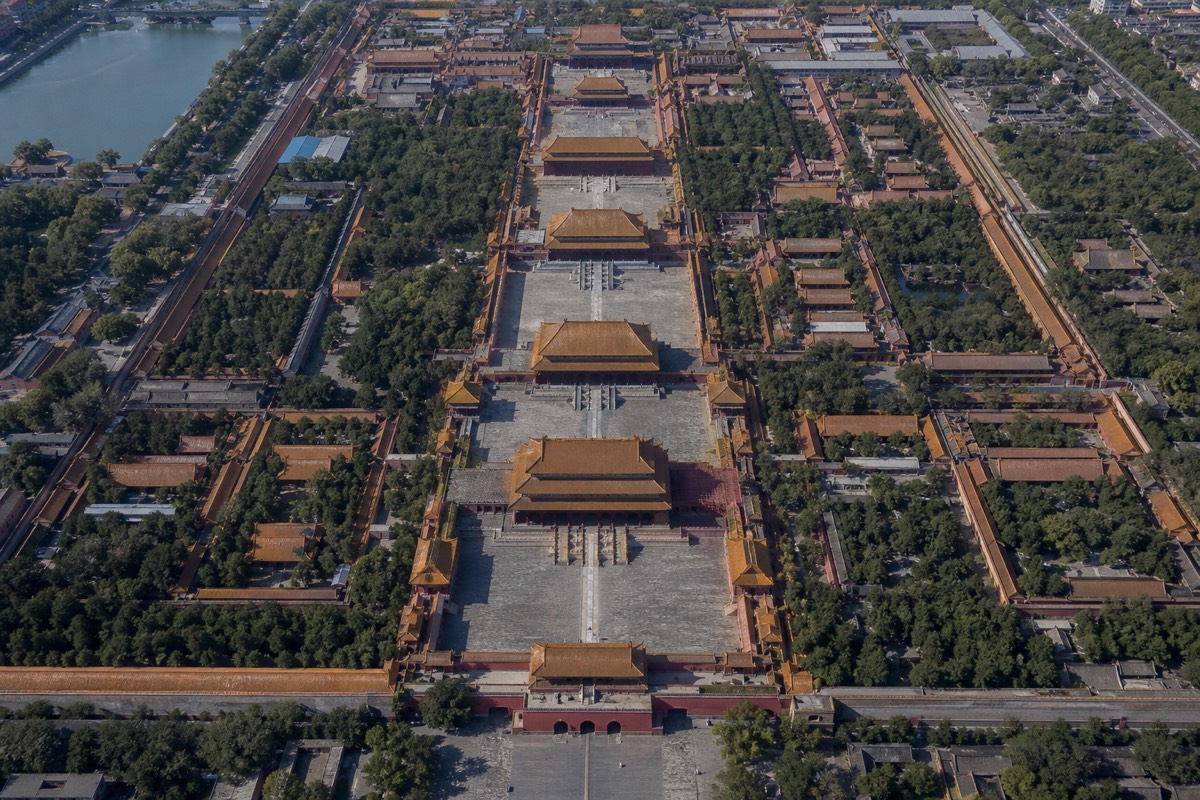
The palace before and after Puyi
| Under Puyi (1912-1924) | Since 1925 | |
|---|---|---|
| Access | Restricted to the imperial household and staff | Open to any ticketed visitor |
| Function | Residence of a former, abdicated emperor | Public museum, the Palace Museum |
| Daily visitors | None, by design | Capped at roughly 80,000 |
That table is really the whole story compressed into three rows. For twelve years the Forbidden City was a kind of time capsule, a functioning miniature court inside a country that had already become a republic outside its walls. Puyi's 1924 expulsion is the hinge that turned that time capsule into a museum almost overnight, and it's why the palace you can walk through today exists in its current, public form at all.
Why his story still shapes how you'll experience the palace
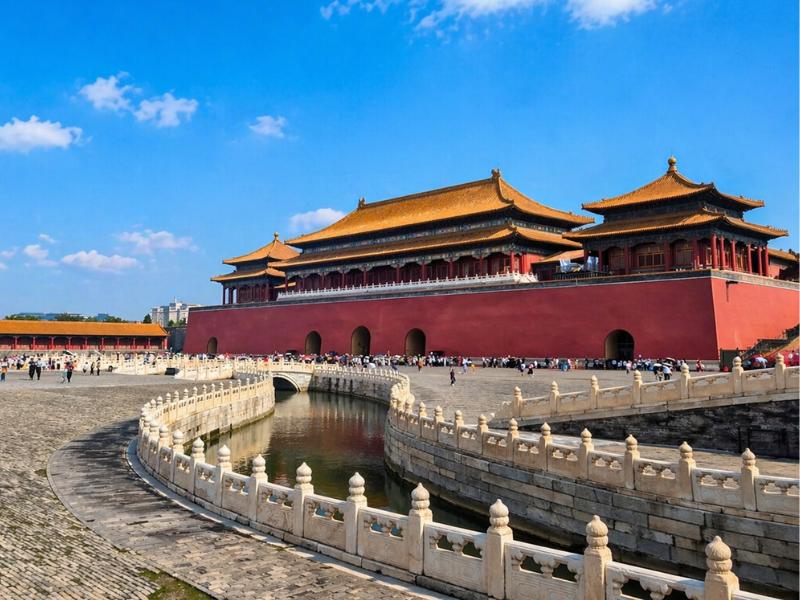
Choose TG18: English-guided Forbidden City walk and entry ticket. Meet at Meridian Gate; finish at the north gate. No square visit or hotel transfer. Not wheelchair accessible. Passport details and an original passport are required. Security checks still apply.
Choose TG18: English-guided Forbidden City walk and entry ticket. Meet at Meridian Gate; finish at the north gate. No square visit or hotel transfer. Not wheelchair accessible. Passport details and an original passport are required. Security checks still apply.