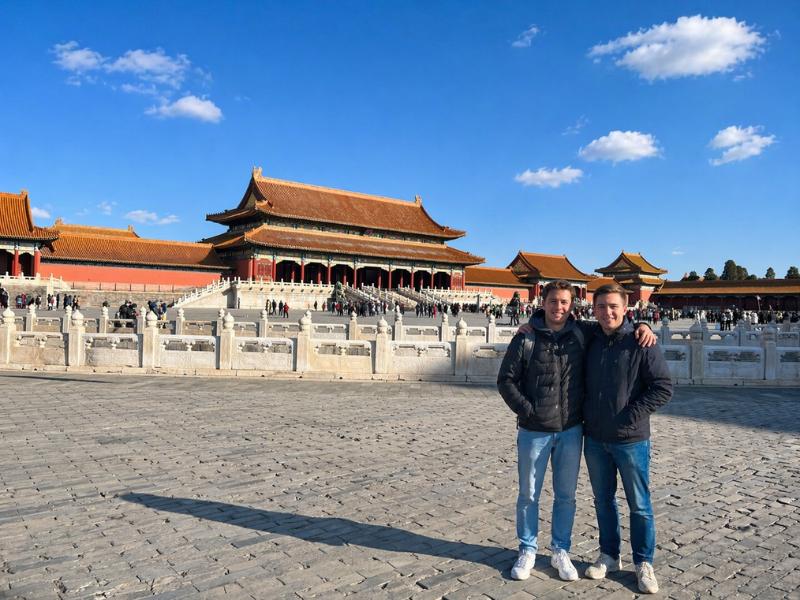
Which City Is Called "The Forbidden City"? Beijing vs. Lhasa
Search for 'the Forbidden City' and Beijing's imperial palace is what almost everyone means, though the phrase occasionally gets borrowed for Lhasa too. Here's how to keep the two straight.
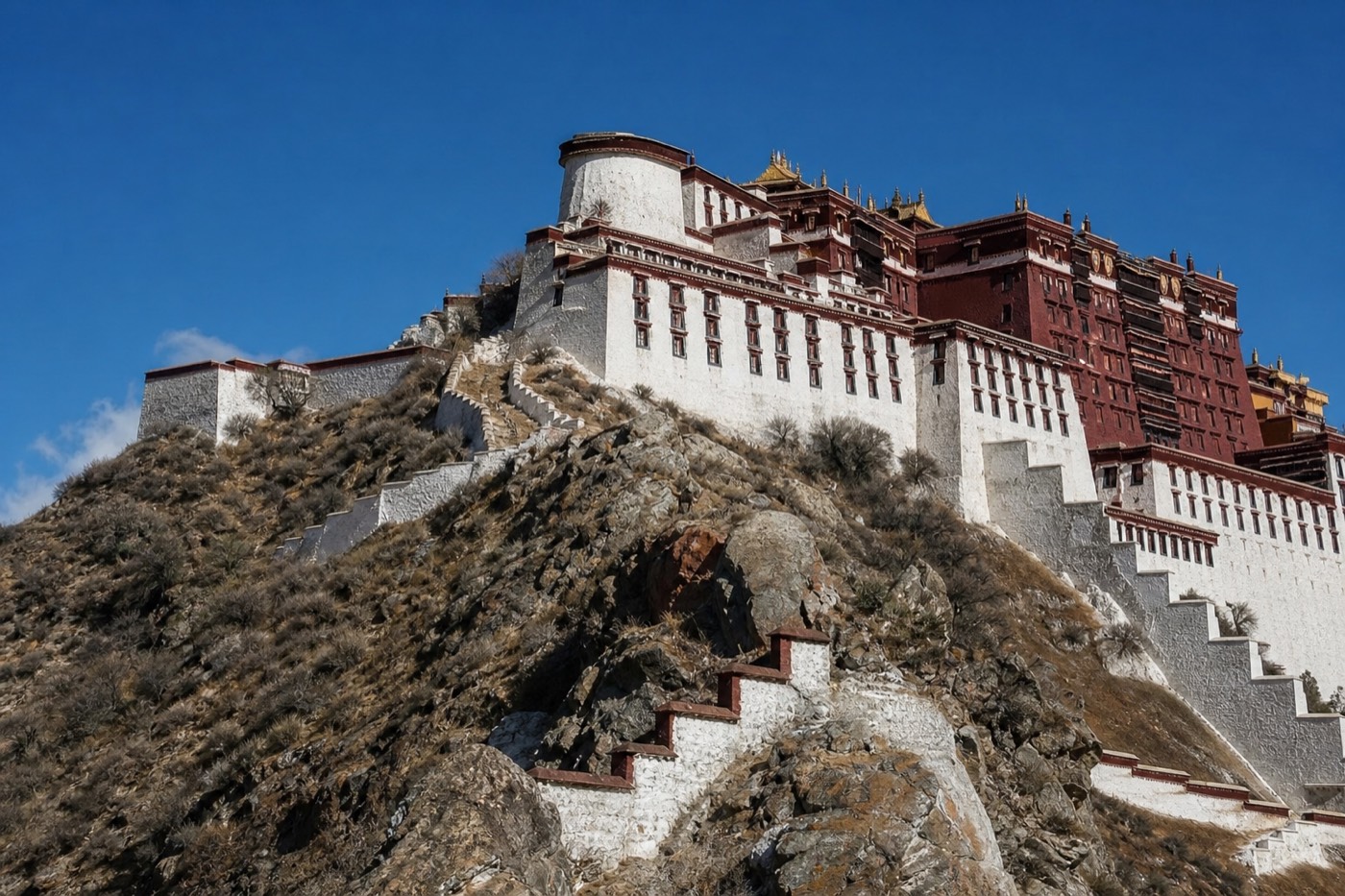
Beijing is the city almost everyone means by "the Forbidden City": the former Chinese imperial palace at the heart of the capital, a UNESCO World Heritage Site since 1987 and the subject of this entire site. Some travelers also loosely apply a similar nickname to Lhasa, Tibet, because of that region's history of restricted travel access, but that's a colloquial comparison, not a formal title, and it isn't what the phrase means in ordinary use.
If you plan to see this in person, two-hour palace walk is a starting point. Compare its actual route with the time you have.
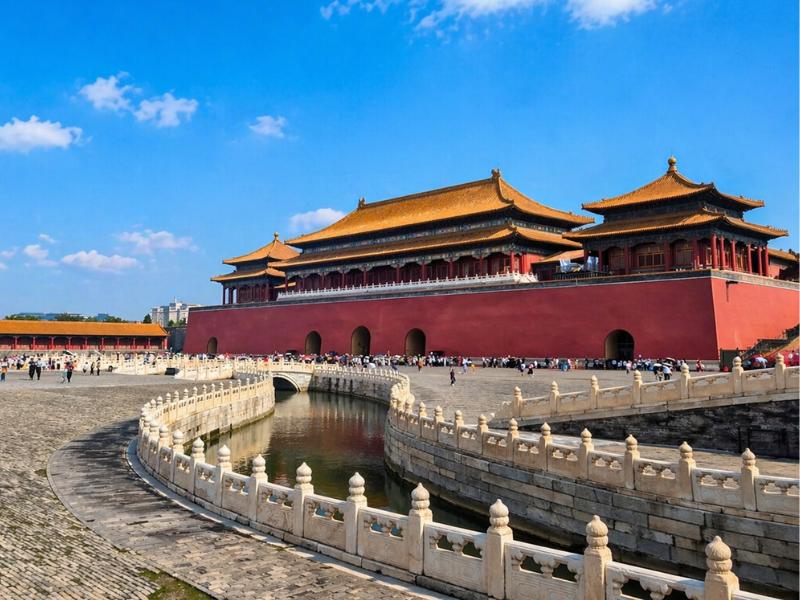
Booking choice: Choose TG18: English-guided Forbidden City walk and entry ticket. Meet at Meridian Gate; finish at the north gate. No square visit or hotel transfer. Explore Two-Hour Palace Walk
Why the phrase gets borrowed for Lhasa at all
Nicknames like this usually trace back to a real, lived experience of restriction, not an official decree. Tibet's remoteness and its long history of limiting outside access mean that for generations, reaching Lhasa simply wasn't something an ordinary foreign traveler could do on a whim, unlike arriving in most major world capitals. That lived difficulty of entry is the kind of thing that earns a place a nickname, in the same rough way that Beijing's palace earned its own name from a very literal, centuries-long ban on entry for anyone outside the imperial household. The two situations aren't identical, one is a formal historical title, the other a colloquial shorthand, but the instinct behind both is the same: a place people couldn't easily walk into gets called "forbidden."
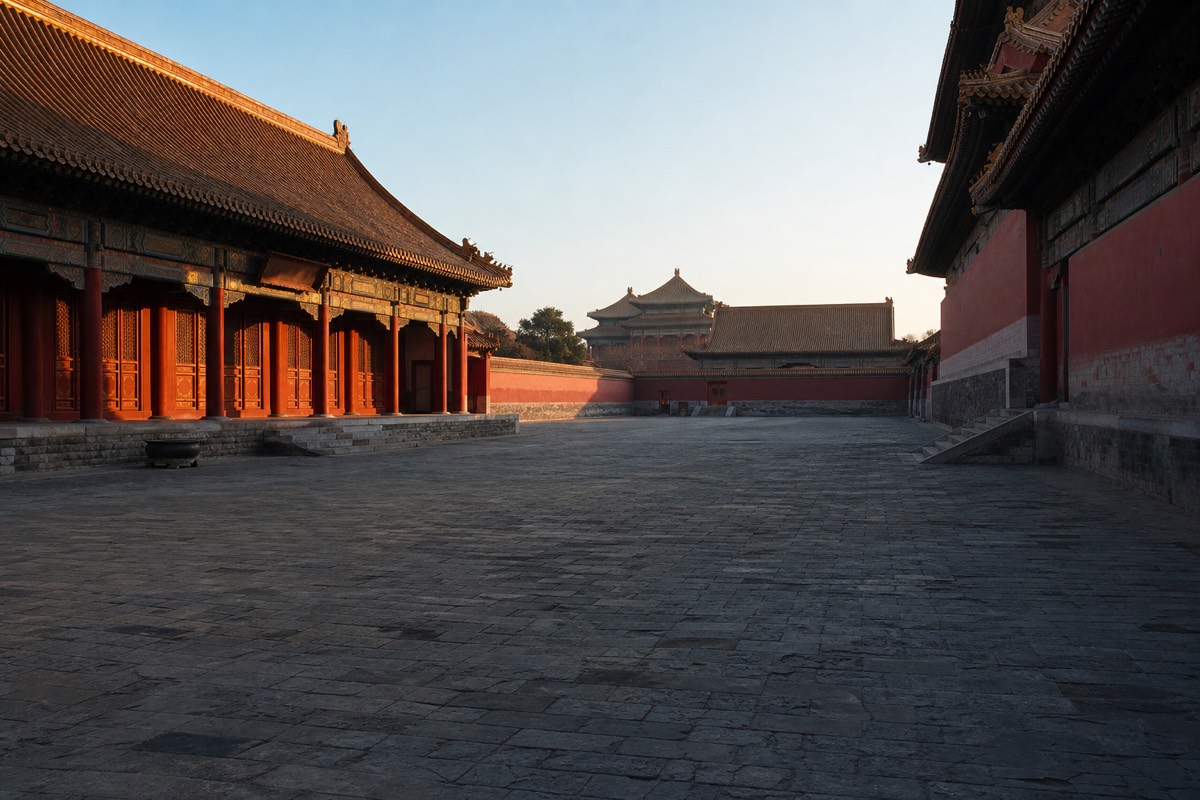
The original: Beijing's Forbidden City
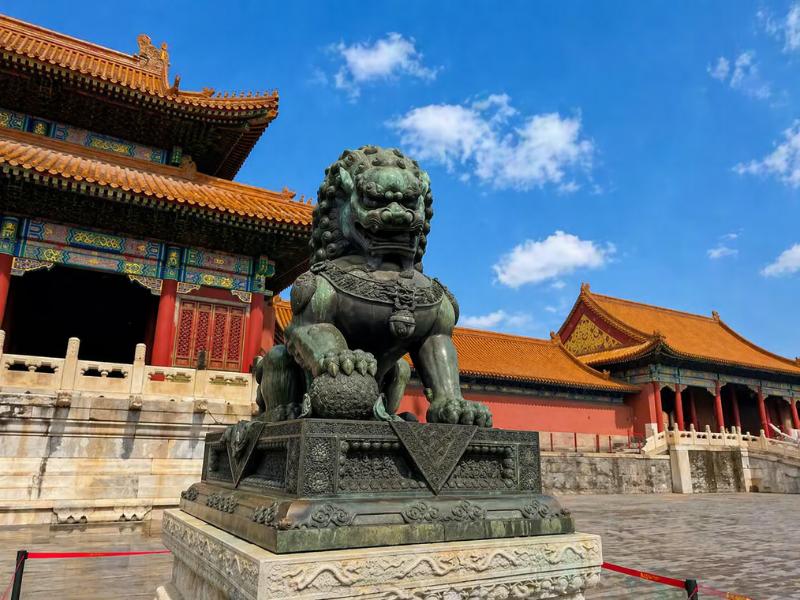
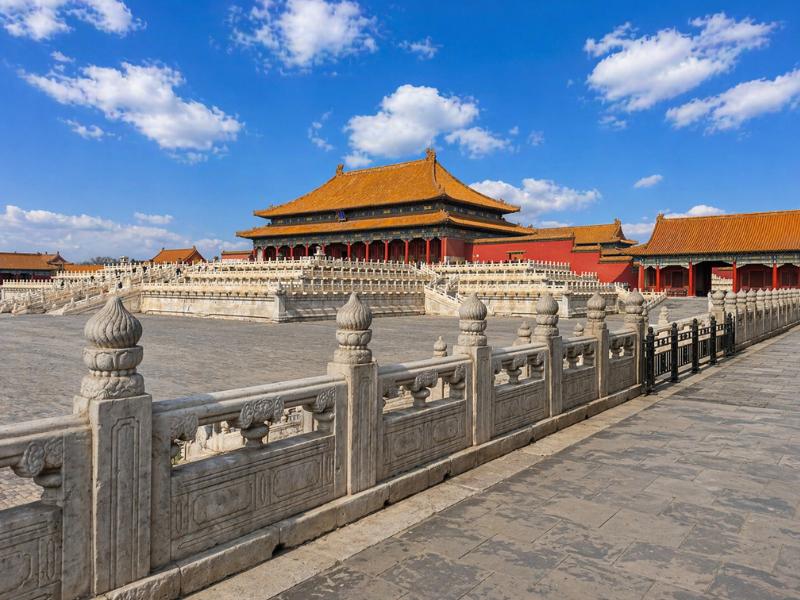
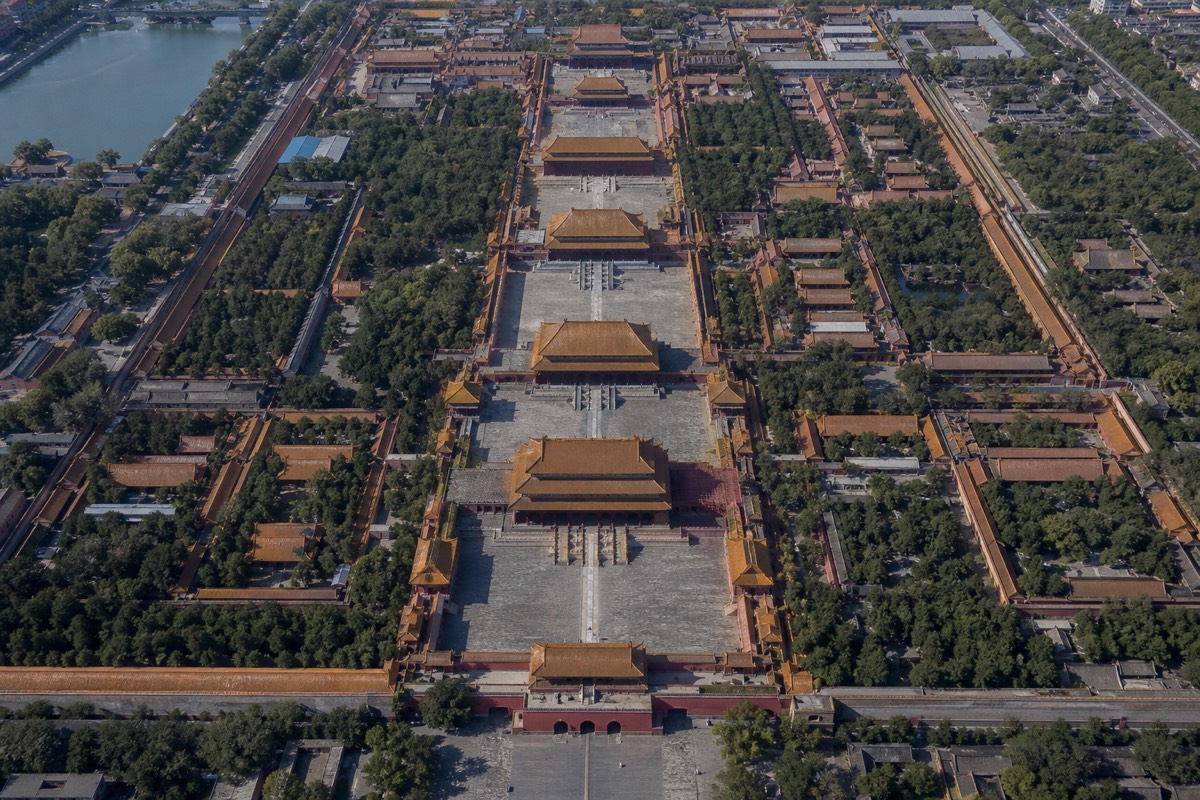
The name belongs, first and foremost, to the palace complex in central Beijing that housed the Ming and Qing dynasties' emperors for nearly five centuries. Its Chinese name, Zǐjìnchéng, translates as "Purple Forbidden City," a reference to the Purple Star Enclosure around the North Star in Chinese astronomy: the emperor, as the "Son of Heaven," ruled from an earthly residence named for the celestial seat of the sky's own ruler. "Forbidden" describes the access restriction that gave the palace its English name, since ordinary subjects could not enter; only the imperial family, consorts, eunuchs and top officials were allowed inside. Our guide on why it's called the Forbidden City covers that naming history in full.
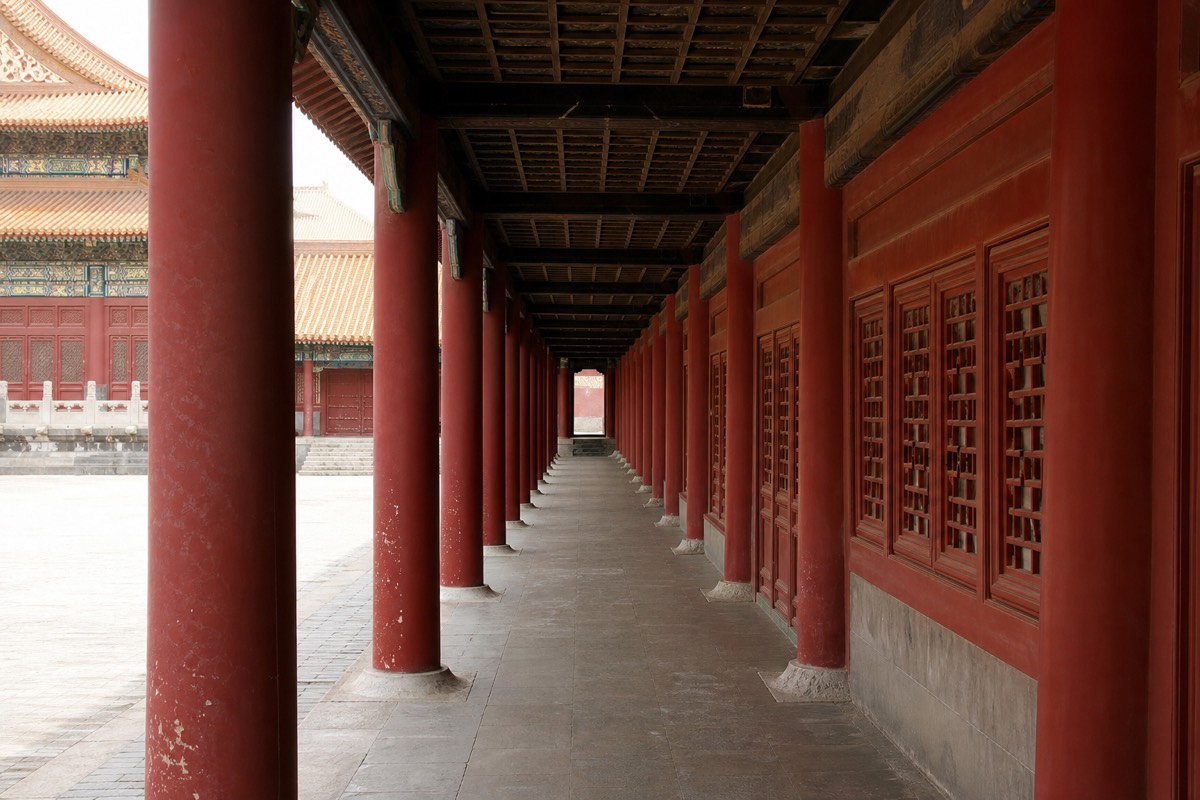
That restriction ended in 1925, when the complex reopened to the public as the Palace Museum, a name it still carries alongside "Forbidden City" today. It has been inscribed by UNESCO since 1987 as part of the Imperial Palaces of the Ming and Qing Dynasties, and Beijing's Central Axis, which runs through it, earned a separate UNESCO listing in 2024. When a travel guide, a history book or a search engine says "the Forbidden City" without qualification, this Beijing palace is what's meant, and it's the site this entire guide covers, from its full history and layout to how to actually get inside.
Where the Lhasa comparison comes from
Lhasa, the capital of Tibet, sometimes gets described informally with a similar phrase, and the comparison isn't baseless: Tibet has a real history of restricted access for outside travelers, and that history is what people are gesturing at when they reach for the nickname. But it's worth being precise here. Beijing's Forbidden City carries that name as its actual historical title, tied to a specific imperial ban on entry that lasted for centuries and ended in 1925. Lhasa's association with a similar phrase is a looser, informal comparison drawn from the region's travel restrictions rather than a widely documented formal name for the city or for the Potala Palace, its own historic seat of government. If you come across the phrase applied to Lhasa, treat it as a nickname born of that access history rather than an equivalent, official title.
Two very different palaces
| Beijing's Forbidden City | Lhasa / Potala Palace | |
|---|---|---|
| The name | Historical, formal title tied to a centuries-long entry ban | An informal, looser nickname some travelers apply |
| What it is | Former Ming and Qing dynasty imperial palace | Historic seat of Tibetan government, the Potala Palace |
| Why "forbidden" | Entry barred to ordinary subjects for centuries, open to the public since 1925 | Reflects Tibet's history of restricted travel access for outsiders |
| UNESCO status | Listed 1987, plus a separate 2024 listing for the Central Axis | Not covered by this site |
If you searched for "the Forbidden City," this is probably what you want
If a search or a conversation brought you here wondering which city carries the name, the safe assumption in nearly every context, guidebooks, museum listings, UNESCO documentation, is Beijing. This site is built entirely around that palace: how it's laid out, what's inside it, and how to actually visit. If you're deciding whether Beijing's Forbidden City is the same thing as the nearby Palace Museum, our Forbidden City vs. Palace Museum guide untangles that naming question too. The Palace Museum's own official site is also a reliable way to confirm you've landed on the right institution before you book anything, since "Forbidden City" and "Palace Museum" both point to the same official channels.
If your trip does include a stop in Tibet, treat that as its own itinerary with its own research; this site's coverage, including every tour and guide linked here, is specifically about the Beijing palace and how to visit it well. The two destinations don't overlap logistically, and conflating them tends to produce more confusion than it saves, so it's worth keeping the planning for each one separate from the start.
Choose TG18: English-guided Forbidden City walk and entry ticket. Meet at Meridian Gate; finish at the north gate. No square visit or hotel transfer. Not wheelchair accessible. Passport details and an original passport are required. Security checks still apply.