Why Are There 9,999 Rooms in the Forbidden City?
The Forbidden City's 9,999.5 rooms is one of the most repeated numbers in travel writing, and it's a legend, not a measurement. Here's what the Palace Museum's own count actually found.
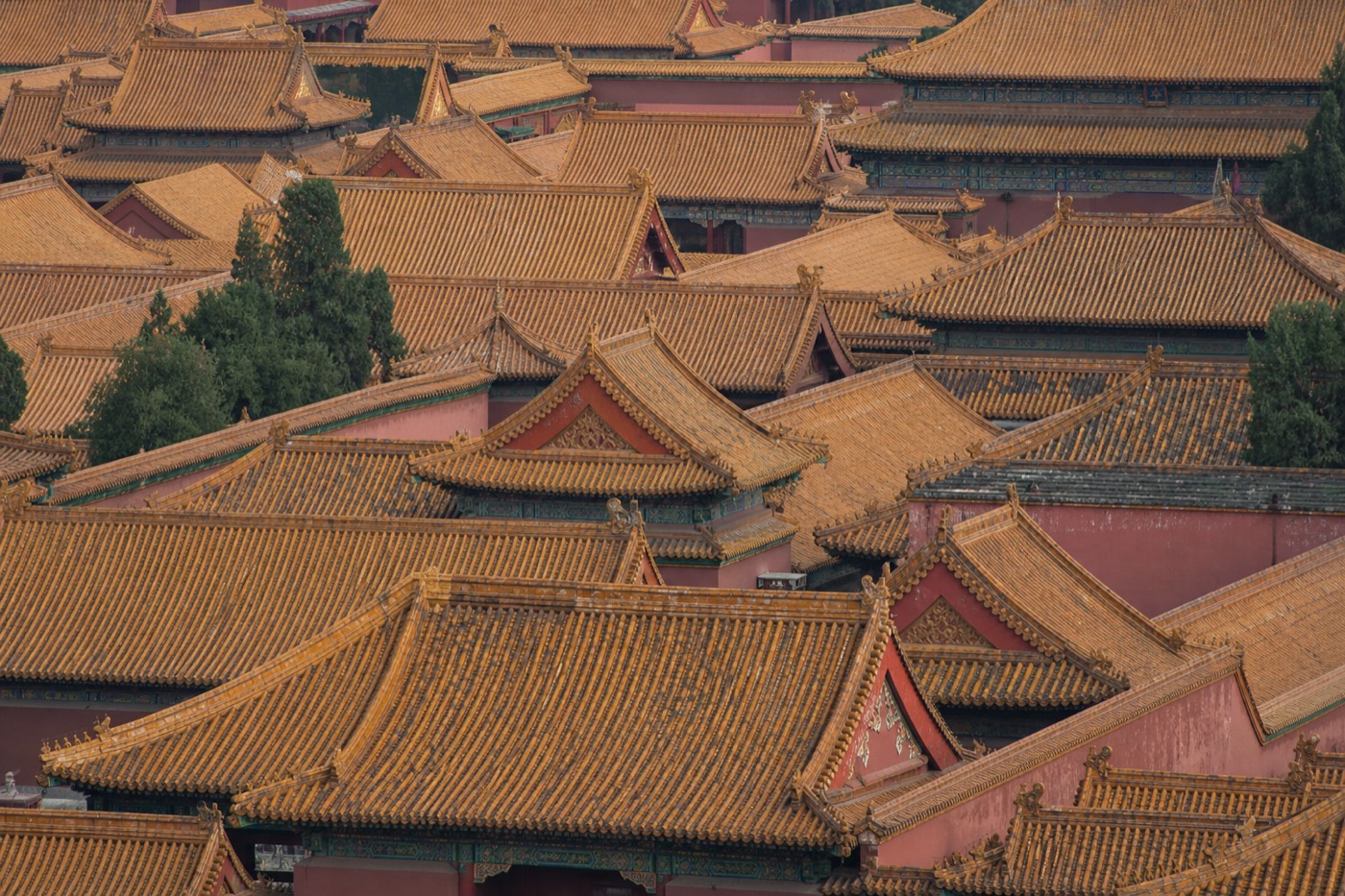
The Forbidden City is famous for supposedly having 9,999.5 rooms, a folk legend built on the idea that the emperor's earthly palace could never equal the mythical 10,000-room home of the Heavenly Emperor. It's a story, not a blueprint: the Palace Museum's own 2012 survey, a five-month room-by-room count, found 9,371 actual rooms across 1,200 buildings.
If you plan to see this in person, two-hour palace walk is a starting point. Compare its actual route with the time you have.
Booking choice: Choose TG18: English-guided Forbidden City walk and entry ticket. Meet at Meridian Gate; finish at the north gate. No square visit or hotel transfer. Explore Two-Hour Palace Walk
Where the 9,999.5 number comes from
The legend rests on Chinese cosmology rather than architecture. In traditional belief, the Heavenly Emperor ruled from a palace of 10,000 rooms, a round, complete number befitting a god. The Chinese emperor, the "Son of Heaven," ruled the earth from a palace styled after that celestial order, but no mortal ruler could claim to match heaven itself. So the story goes that the earthly palace was built with half a room short of ten thousand, 9,999.5 rooms, a symbolic act of humility toward the divine. It fits the wider logic behind the palace's own name: the complex is called Zǐjìnchéng in Chinese, the "Purple Forbidden City," a reference to the Purple Star Enclosure around the North Star, the same celestial framing that put the emperor's residence at the symbolic center of the sky. Our guide to why it's called the Forbidden City covers that naming history in full.
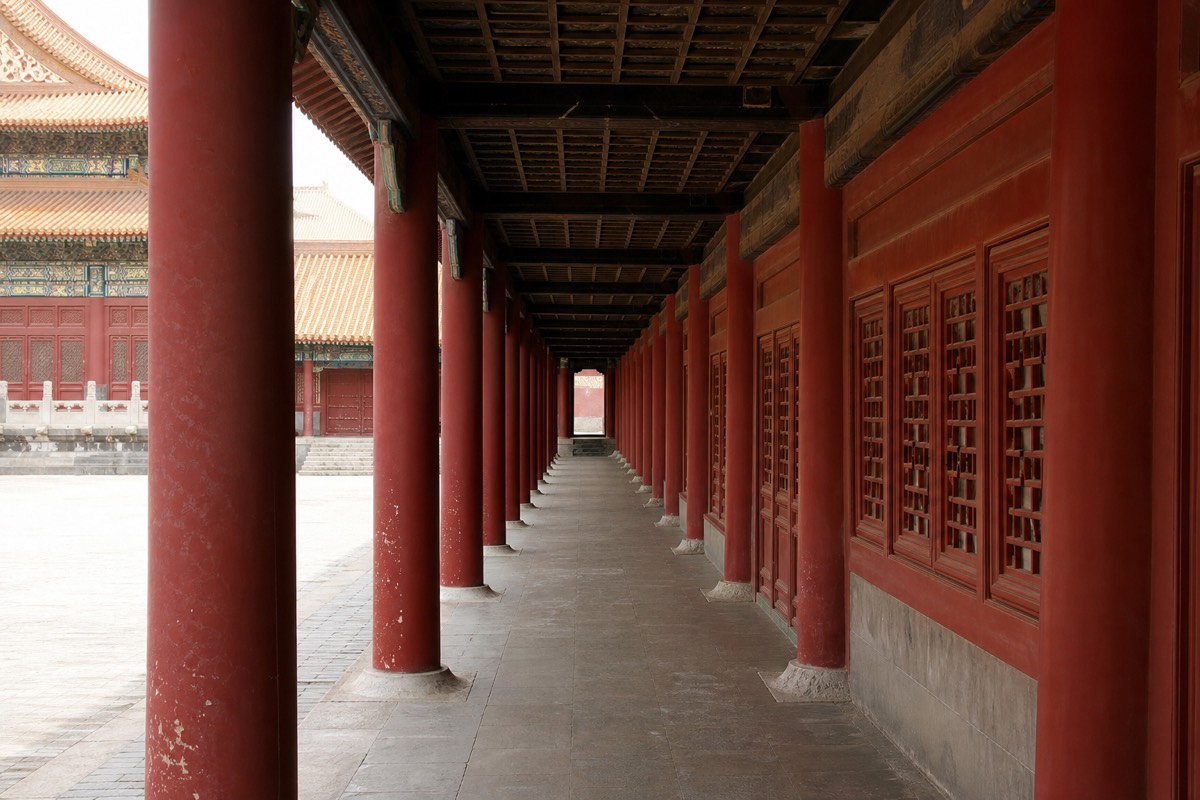
What the legend is not is a literal architectural count. Nobody built a half-room on purpose, and no historical land survey ever recorded 9,999.5 as a measured figure. It's folklore that has been repeated so often it gets quoted as fact, including on plenty of travel sites that never mention the real number.
What the Palace Museum actually counted
The real figure comes from the institution that knows the building better than anyone. In 2012, the Palace Museum ran its own comprehensive survey, a five-month, room-by-room count led by the museum's director, and the result was 9,371 rooms across 1,200 buildings. That's the most authoritative number available, because it comes directly from the people responsible for cataloguing and conserving the complex, not from a repeated legend.
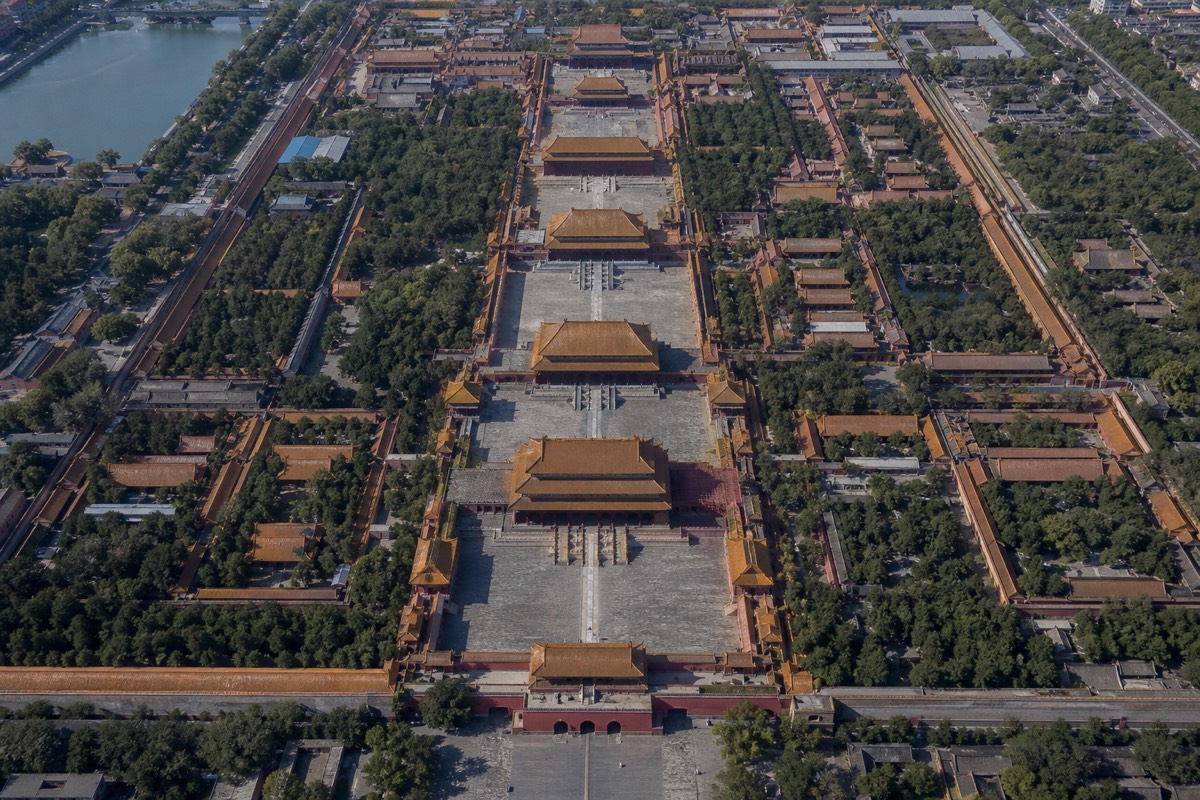
An older and narrower count, cited in some earlier references, puts the figure at 8,886 rooms across 980 buildings. The gap between that number and the 2012 survey most likely reflects a difference in scope and method rather than a change in the physical palace: which structures get counted as part of the complex can shift the total by hundreds of units without a single wall moving.
Legend vs. count, side by side
| Figure | Type | Source |
|---|---|---|
| 9,999.5 rooms | Folk legend | Traditional belief tied to the 10,000-room palace of the Heavenly Emperor |
| 8,886 rooms / 980 buildings | Older, narrower count | Earlier reference figure |
| 9,371 rooms / 1,200 buildings | Measured count | Palace Museum's 2012 five-month survey |
How the count compares to other famous palaces
Room counts are not a reliable single measure of palace size. Istana Nurul Iman is commonly cited with 1,788 rooms, fewer than the Forbidden City’s reported 9,371 across its complex; its large residential floor area is a different comparison.
| Palace | Rooms | Context |
|---|---|---|
| Forbidden City (Beijing) | 9,371 (2012 count) | Ming and Qing dynasty imperial palace, 72 hectares, 1,200 buildings |
| Palace of Versailles château | Smaller footprint than the Forbidden City | Park and gardens are far larger overall |
| Vatican Apostolic Palace | Far smaller by area | Papal residence and offices |
| Istana Nurul Iman (Brunei) | ~1,788 | Modern royal residence, not a historic dynastic palace |
Does the real number make the palace any less impressive?
Not remotely. Even the more conservative modern count, 9,371 rooms spread across 1,200 buildings, describes one of the largest palace complexes anywhere by floor area. The precise room count matters less than the sheer scale of walking it, which is exactly what our map and central-axis walking route guide is built to help you plan for.
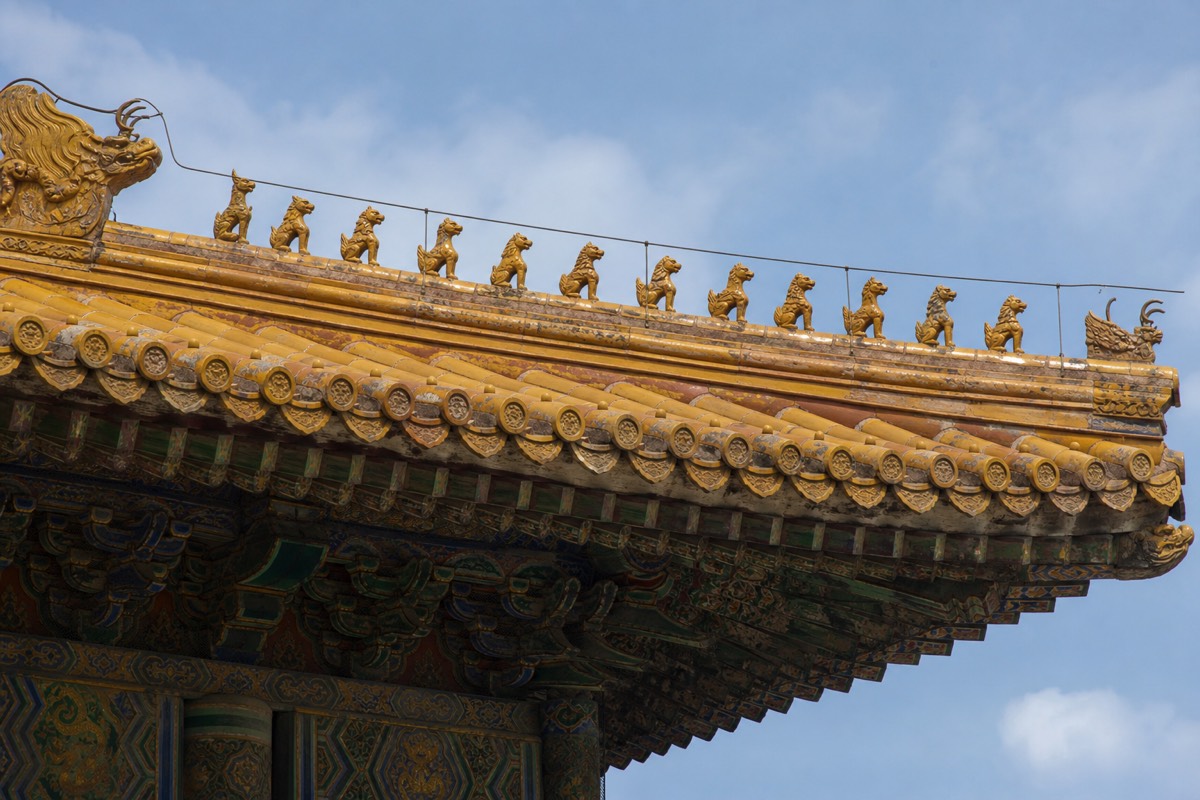
The honest version of the story, legend and count together, is also the more interesting one. A dynasty that genuinely believed its palace needed to defer to heaven by half a room tells you something real about how the Qing and Ming courts saw their own place in the cosmic order, which you can read more about in our overview of the Forbidden City's history and at Britannica's entry on the complex.
What the room count means for an actual visit
Whichever figure you go with, 9,371 or the older 8,886, the practical takeaway is the same: nobody sees anywhere near all of it in a single visit. Most rooms are not open to the public at all, tucked inside residential quarters, storage halls and administrative buildings that the Palace Museum keeps closed for conservation or simply because they hold no exhibits. A typical visit follows the central axis through the grand ceremonial halls and a handful of side courtyards, a small fraction of the full 9,371, which is exactly why planning your route matters more than knowing the room count. The Palace Museum's own official site lists which halls and galleries are currently open to visitors, since that changes as restoration work moves around the complex.
Seeing the scale for yourself
Choose TG18: English-guided Forbidden City walk and entry ticket. Meet at Meridian Gate; finish at the north gate. No square visit or hotel transfer. Not wheelchair accessible. Passport details and an original passport are required. Security checks still apply.