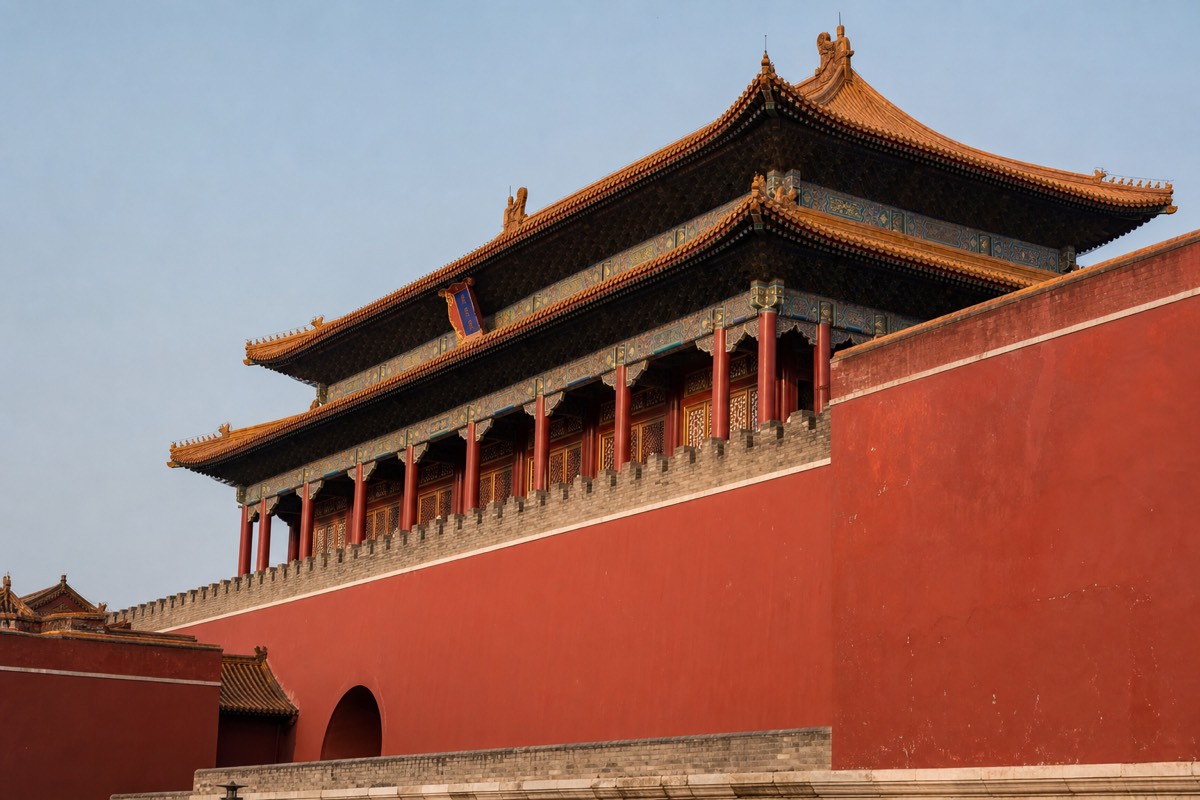
Why Wasn't the Forbidden City Destroyed Like the Summer Palace?
One imperial complex was burned to the ground in 1860, the other left standing. The historical record explains why.
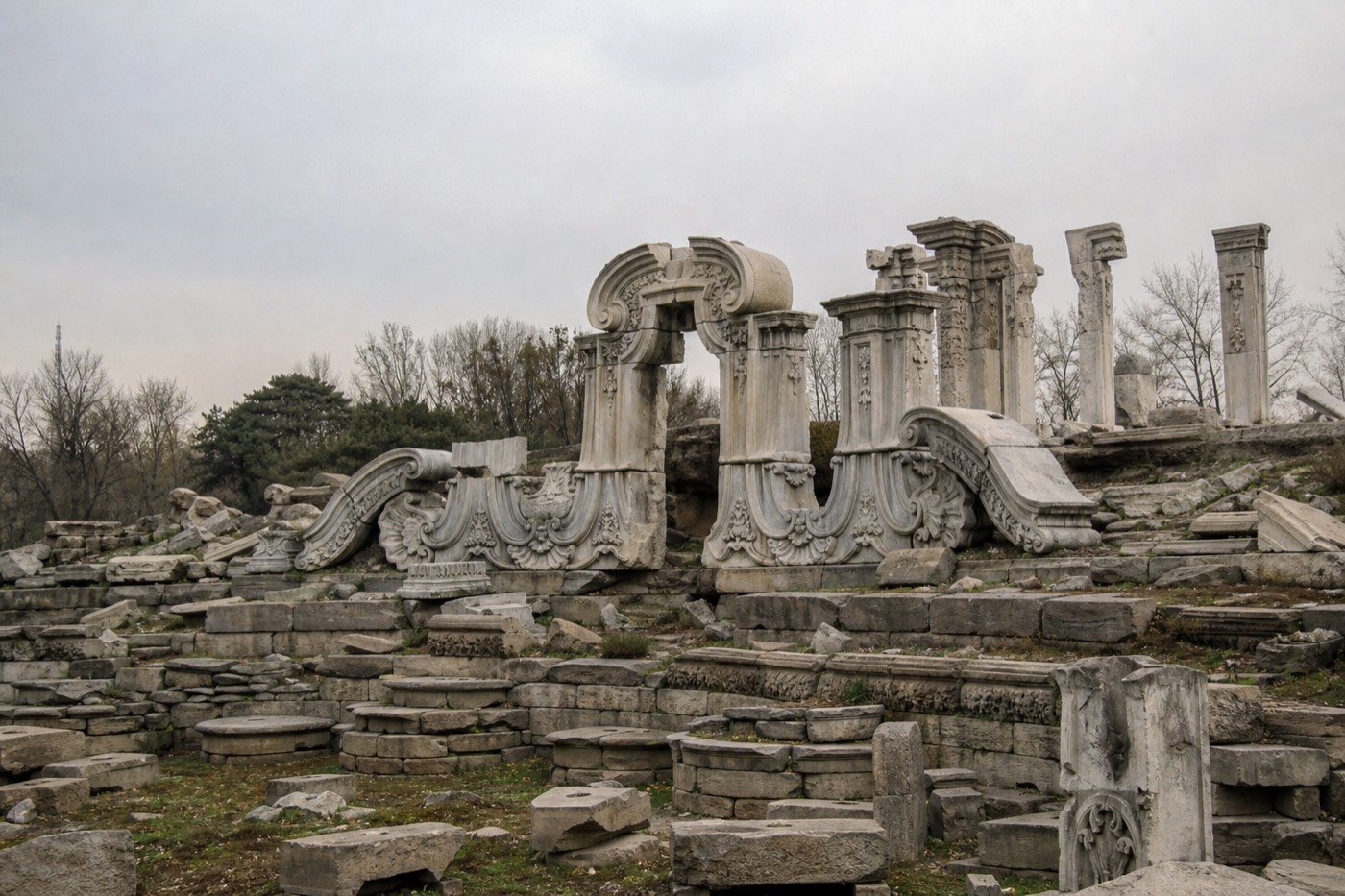
Historians point to a deliberate choice by British commissioner Lord Elgin, who in October 1860 ordered the burning of the Old Summer Palace and the Summer Palace but chose to spare the Forbidden City, reportedly so the Qing court would retain a functioning seat of government to negotiate and administer the treaty ending the Second Opium War. The Forbidden City was considered as a target, and the French reportedly favored striking it, but Elgin directed the destruction at the emperor's pleasure gardens instead.
If you plan to see this in person, old and new summer palaces is a starting point. Compare its actual route with the time you have.
Booking choice: A private guided day visits the Old Summer Palace ruins and the Summer Palace, with hotel pickup, transport and admission. Allow the day: the stated finish is 3–4pm after a 9am start. Explore Old And New Summer Palaces
What happened in October 1860?
Near the end of the Second Opium War, Qing officials had captured a group of British and French envoys who had been sent under a flag of truce to negotiate. Those captives were tortured, and several died in custody. In response, Lord Elgin, the British high commissioner, ordered the destruction of the Yuanmingyuan, known as the Old Summer Palace, along with the adjoining Summer Palace. British and French forces looted the grounds first, then burned the complex of gardens, lakes and pavilions the Qing emperors had built up over more than a century.
Why target the Summer Palace instead of the Forbidden City?
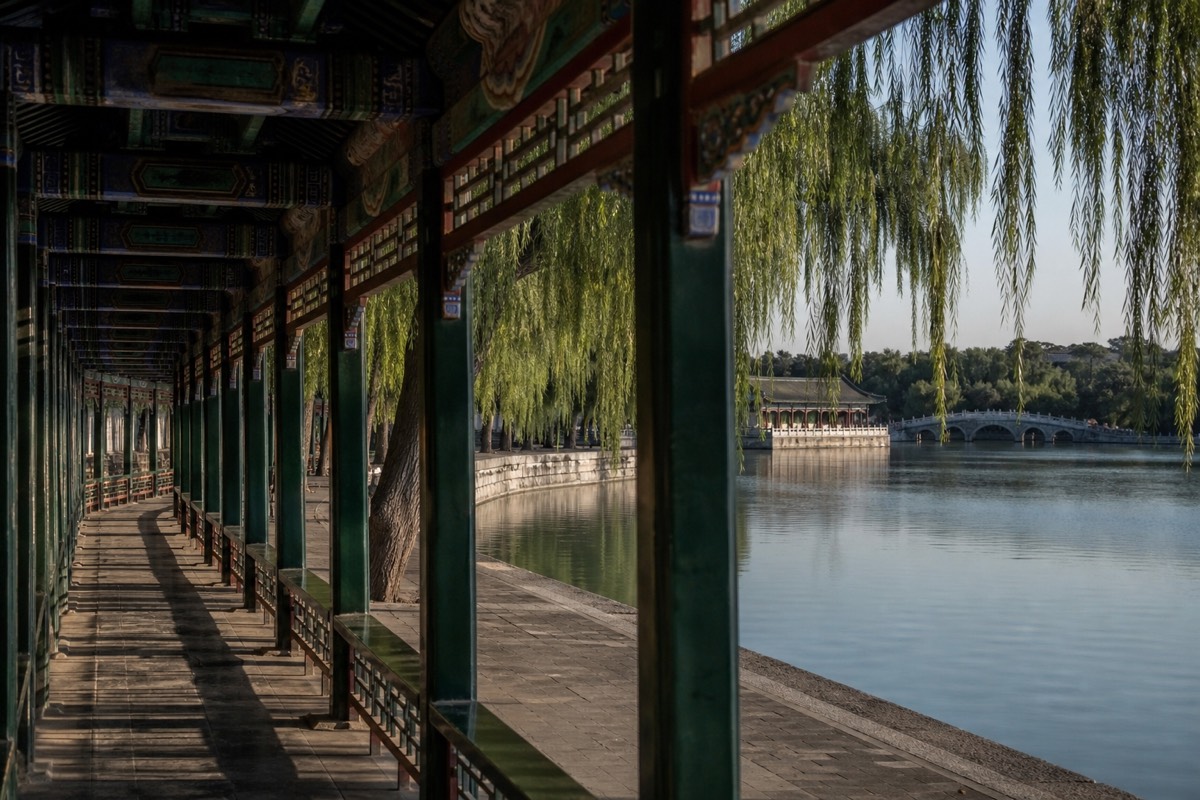
This is where the historical record gets less certain, and it's worth being honest about that rather than asserting a single motive as settled fact. Historians point to retaliation as the immediate trigger: punishing the court for the treatment of the captured envoys with an act aimed squarely at the emperor's own property, rather than at the civilian population of Beijing. The Summer Palace was where the emperor personally lived and relaxed, distinct from the Forbidden City, which functioned as the formal seat of government. Striking the personal, private complex delivered a punishment that read as targeted rather than indiscriminate, at least in the framing later accounts gave it.
Was the Forbidden City actually considered as a target?
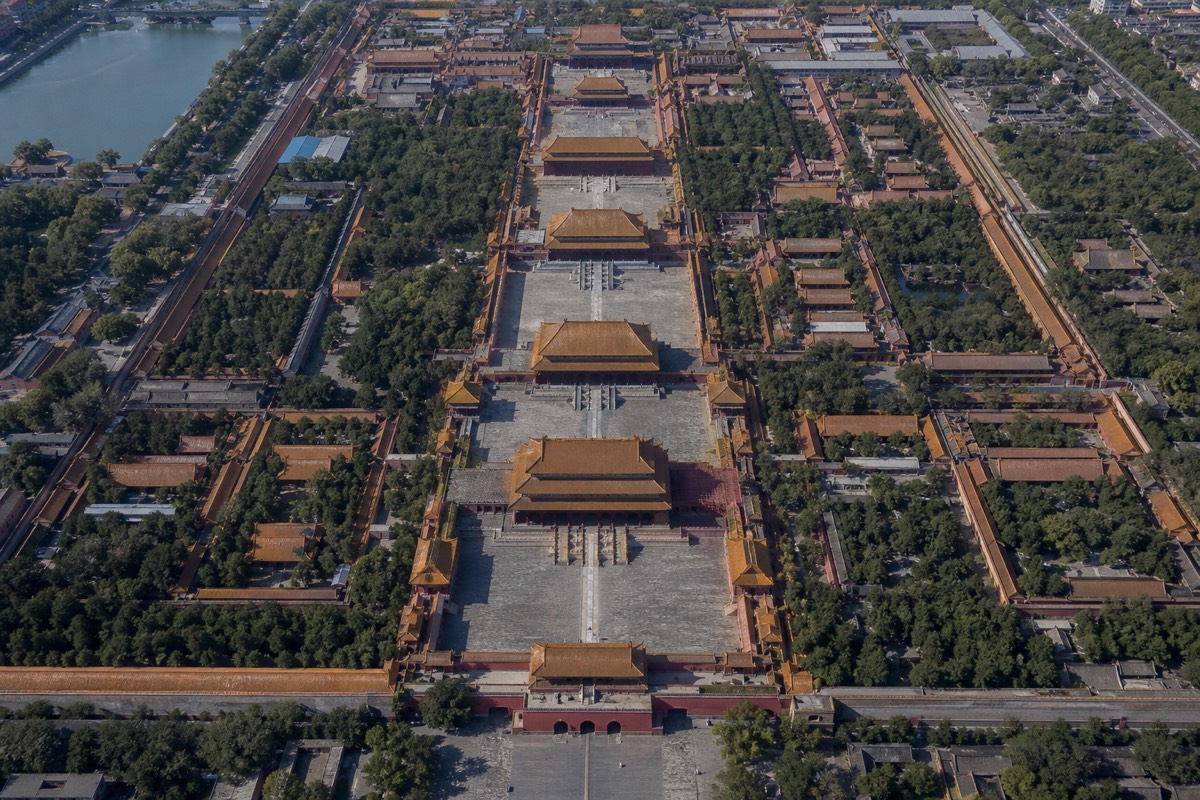
Yes. Sources describe the French as favoring an attack on the Forbidden City itself, which would have struck at the seat of Qing authority directly. Elgin chose otherwise, directing the destruction at the pleasure gardens. Accounts don't fully agree on his precise reasoning, so this article won't claim more certainty than the historical record supports. What's better documented is the practical effect of the decision.
What did sparing the Forbidden City accomplish?
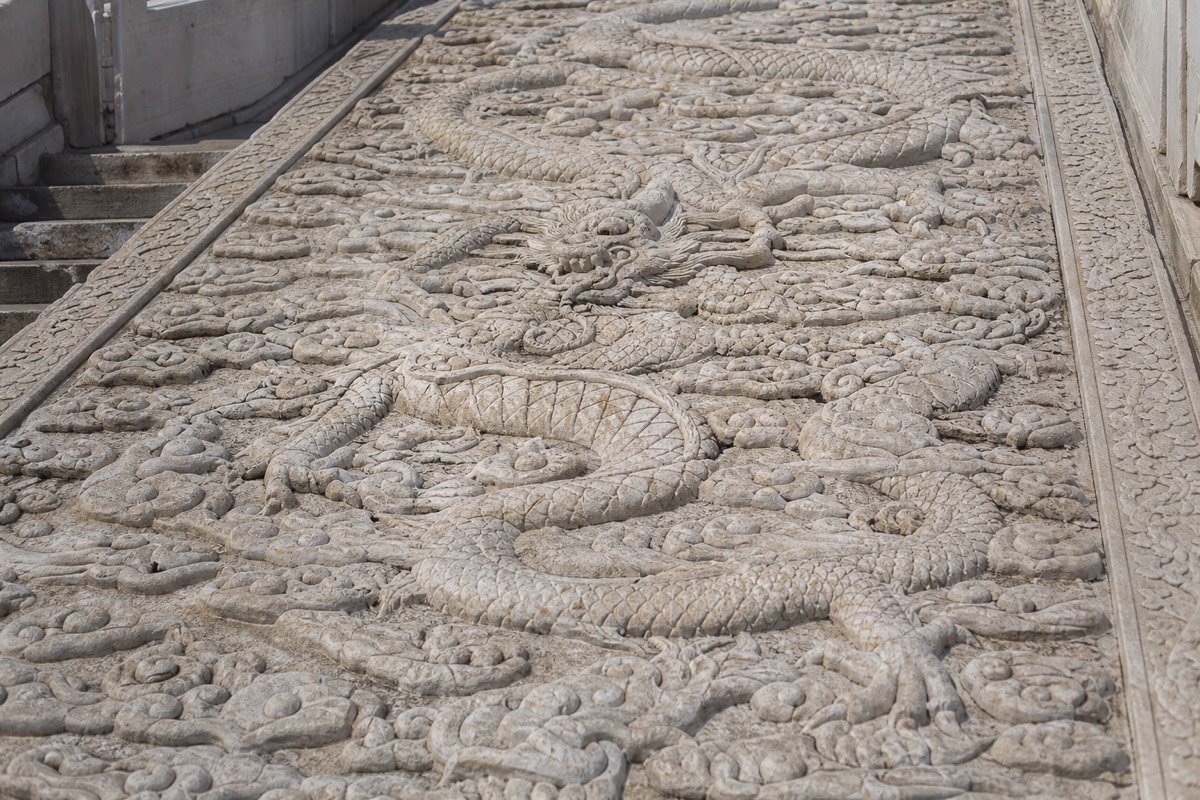
Historians note that keeping the Forbidden City intact let the Qing court continue functioning as a government, with an emperor, ministries and officials still operating out of a working capital, which mattered directly to Britain and France because the war's endgame required a Qing government still capable of negotiating and then administering the treaty that followed. Burning the Old Summer Palace was punitive; leaving the Forbidden City standing kept the negotiating table intact. Destroying the seat of government itself would have thrown the terms of any settlement into far greater uncertainty, at a moment when both foreign powers wanted the war concluded, not the Qing state collapsed outright.
What was actually lost at the Summer Palace?
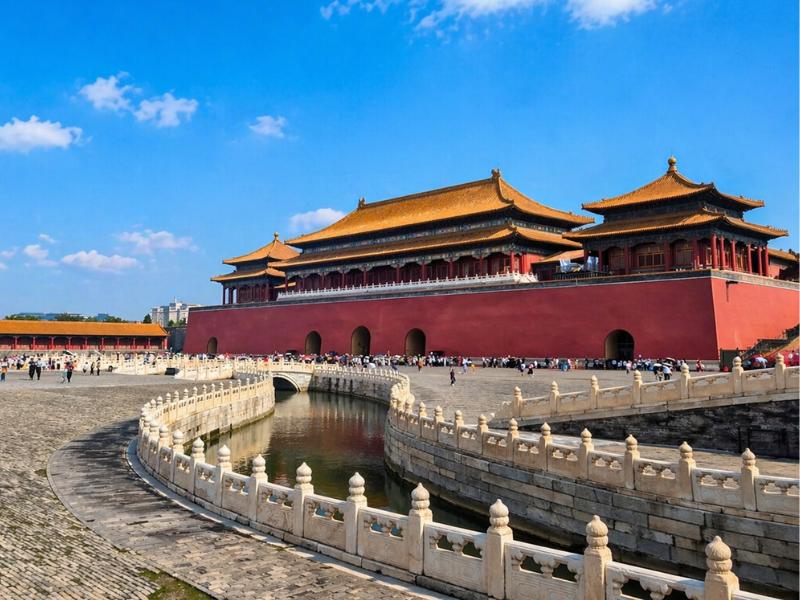
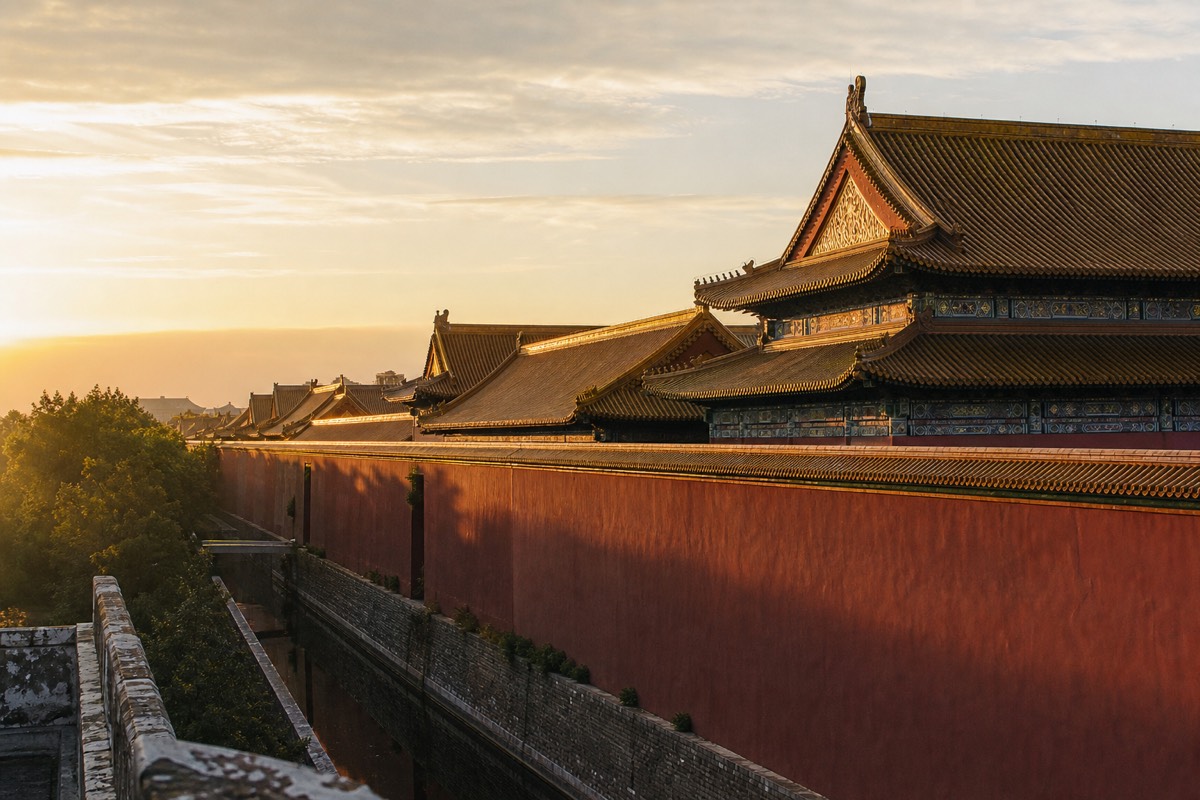
The Yuanmingyuan had been one of the great achievements of Qing imperial building, a sprawling complex of gardens, lakes, halls and pavilions accumulated over generations. Its burning destroyed structures and collections that, unlike the Forbidden City's, were never rebuilt at anything like their original scale. Today the ruins stand as a preserved historical site in their own right, a visible contrast to the Forbidden City's intact halls a few kilometers away.
What happened to the Qing court's foreign relations after 1860?
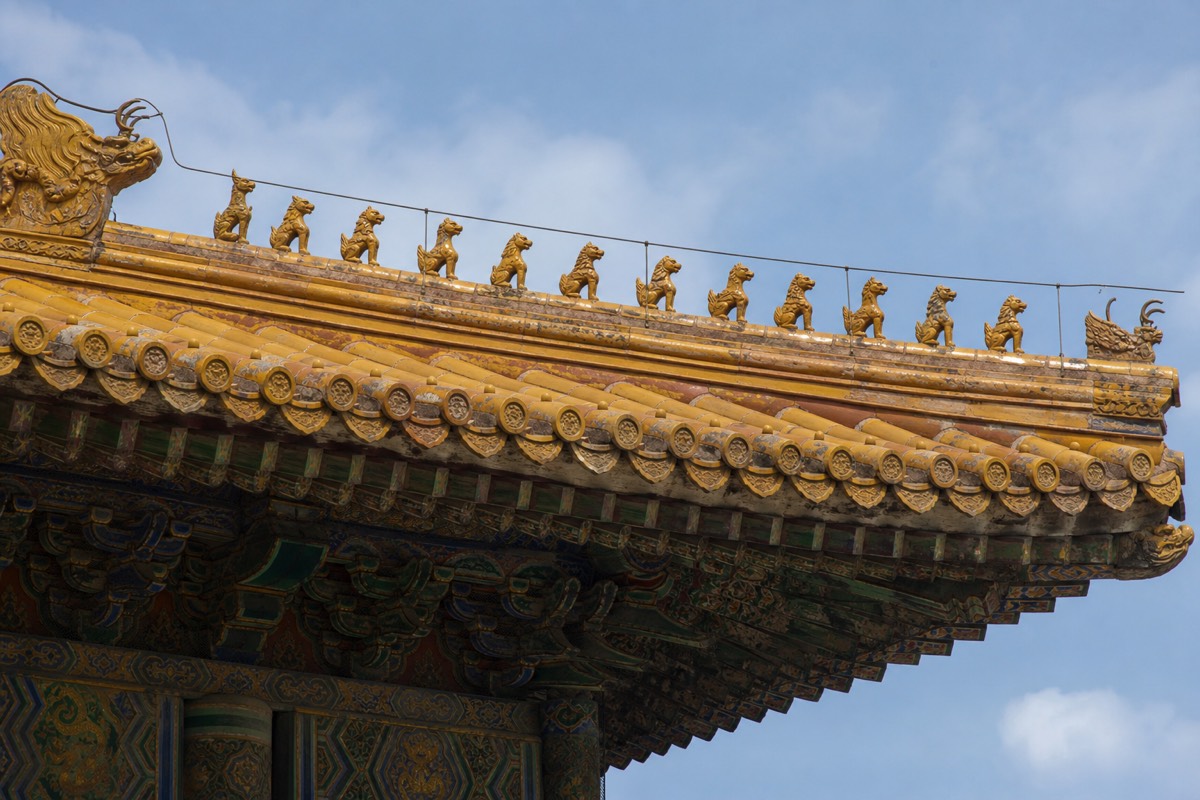
The treaty that ended the Second Opium War required the Qing court to negotiate directly with British and French representatives, something the burning of the Summer Palace was meant to force. Historians tie the Forbidden City's survival to exactly this outcome: a government capable of sitting down at that table and then administering whatever it agreed to. In the years that followed, the Qing court dealt more directly with foreign powers on treaty terms than it had before the war, a shift the facts of this specific episode point toward without this article claiming to trace the full diplomatic history that followed. That broader story belongs to a different article; what matters here is the narrower link between one building's survival and the negotiations it needed to remain functional for.
Did the Forbidden City stay untouched after 1860?
Surviving 1860 didn't mean the palace was frozen in time. The Qing dynasty continued to occupy it for another half century, and the site went through its own major transition later: after the last emperor, Puyi, was expelled from the inner court in 1924, the complex was renamed and opened to the public as the Palace Museum on October 10, 1925. That transition from imperial residence to public museum is a separate story from the 1860 campaign, but it's the reason a site the French once considered burning is now something any visitor can walk through freely. Puyi's story as China's last emperor picks up the palace's history from where this episode leaves off.
How does this shape what visitors see today?
Walk the Forbidden City's central axis now and you're seeing a version of the palace that, in large part, survived the 1860 campaign intact. The full history and overview covers what came before and after this episode in more depth, and the contrast with the Old Summer Palace ruins is one of the starker "what survived and what didn't" stories in Beijing. For readers curious about the numbers behind why the palace reads as so vast today, from its 800-plus buildings to its room count, the facts most visitors don't know guide covers ground this article doesn't, and how the site became a public museum explains the renaming in full.
Sources and further reading
Britannica's overview of the Forbidden City covers this period as part of the site's broader history, and general historical references such as History.com cover the Second Opium War and the burning of the Summer Palace in more detail for readers who want the fuller military and diplomatic context.