Forbidden City Rules: Dress Code, Photos & What's Off-Limits
Dress code, photography and what's simply not allowed inside the palace walls, straight from the rules that actually apply.
The Forbidden City requires modest dress and closed-toe footwear, bans flash photography and tripods inside the halls, and strictly forbids drones anywhere on site. Selfie sticks under 1.3 meters are fine, large wheeled suitcases and mobility scooters aren't allowed past the gates, and any commercial photo or video shoot needs prior authorization from the Palace Museum. None of this is unusual for a working museum housing centuries-old timber buildings and fragile relics, but knowing the specifics before you arrive saves a scramble at the security checkpoint.
If you plan to see this in person, two-hour palace walk is a starting point. Compare its actual route with the time you have.
Booking choice: Choose TG18: English-guided Forbidden City walk and entry ticket. Meet at Meridian Gate; finish at the north gate. No square visit or hotel transfer. Explore Two-Hour Palace Walk
What should you wear?
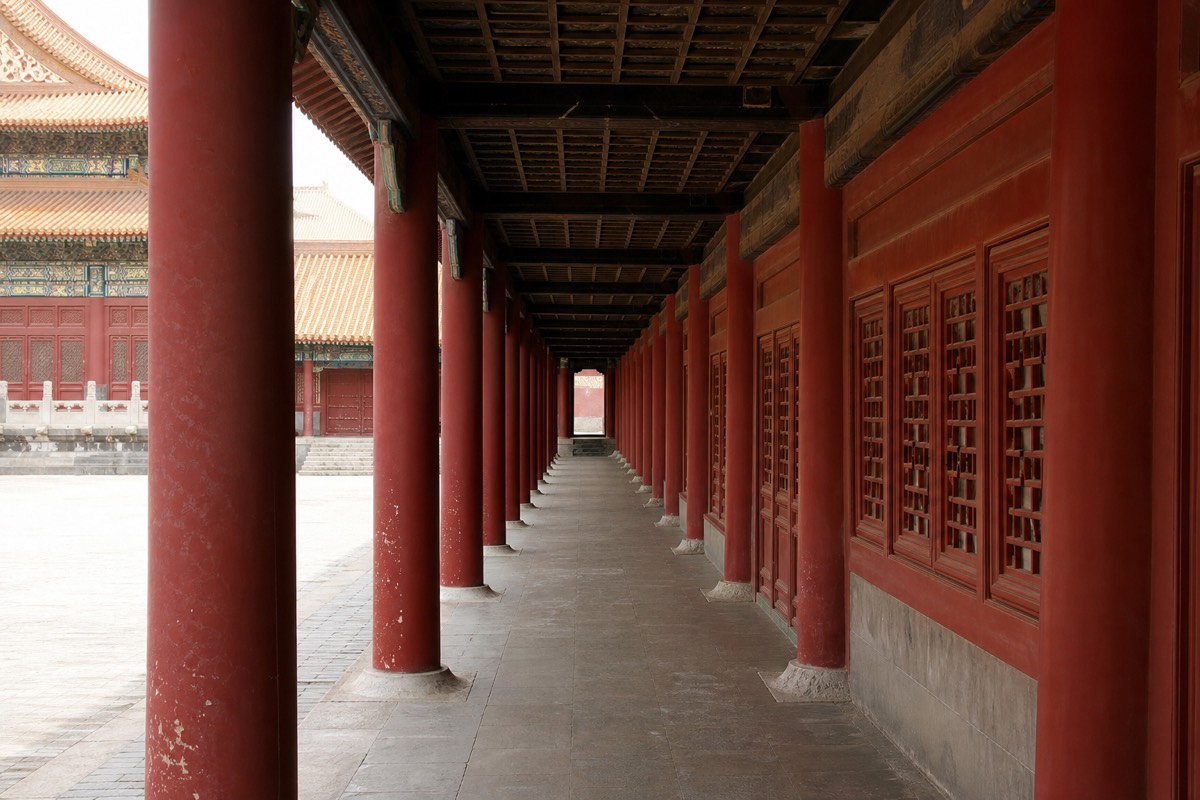
There's no official uniform requirement, but the palace asks visitors to dress respectfully and skip overly revealing clothing. Closed-toe shoes or sturdy sandals are expected too: the courtyards are paved in uneven stone, the thresholds at gate openings are raised, and you'll cover several kilometers of walking if you follow the full central axis route. Flip-flops survive the visit, but they're not comfortable for it. Between April and October the sun sits directly overhead across the wide, largely unshaded courtyards, so a hat and sunscreen matter more than any dress code on the books.
Can you take photos inside the Forbidden City?
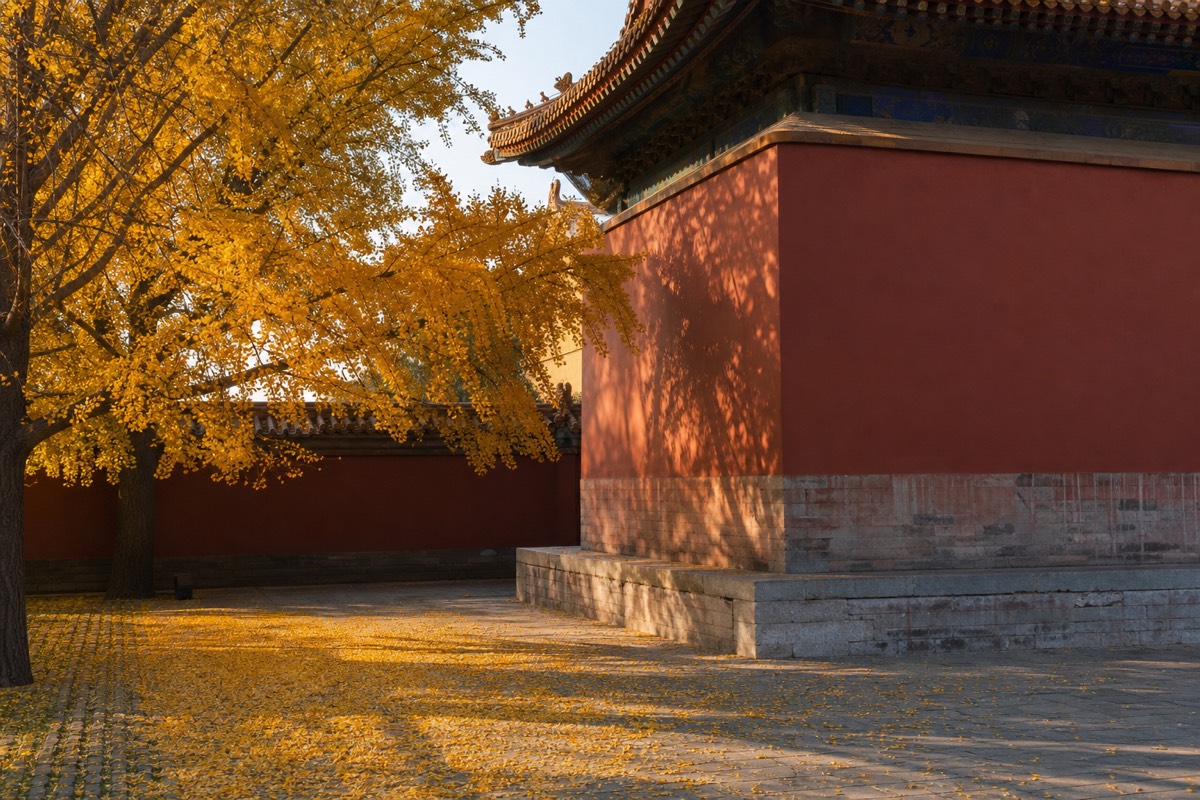
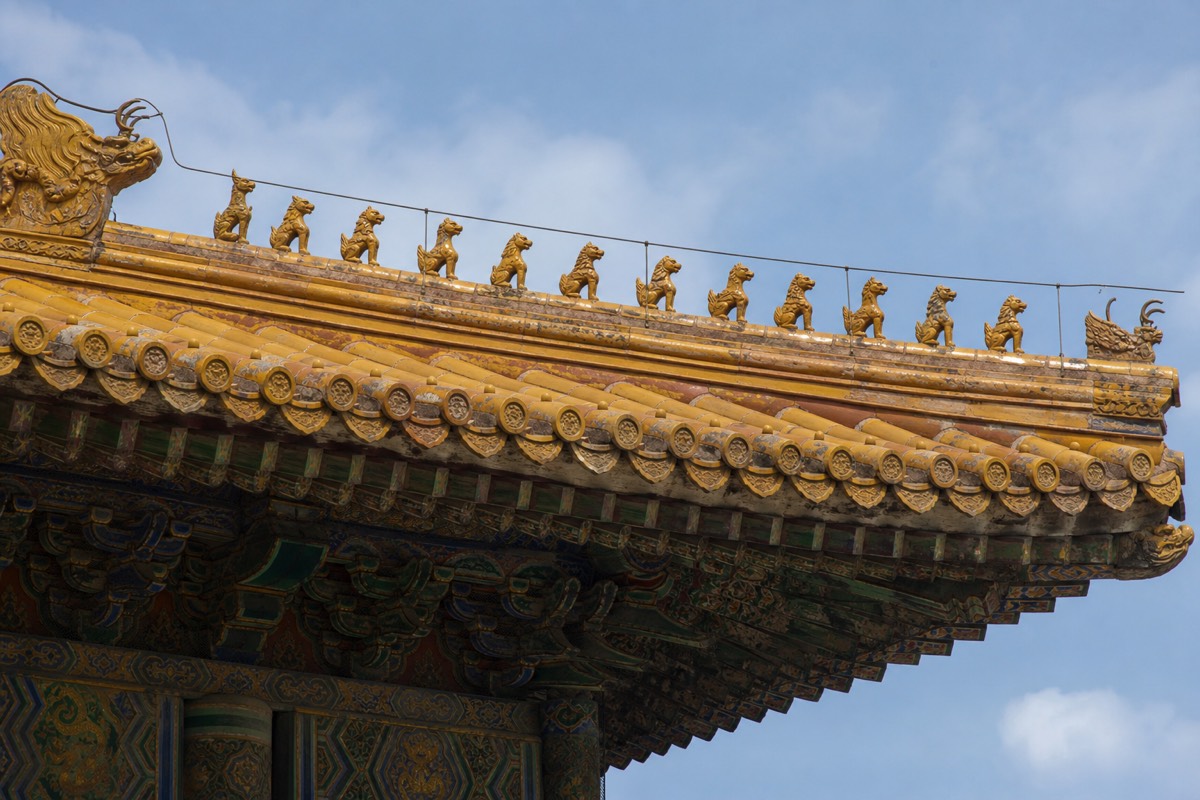
Photography is allowed almost everywhere outdoors, and most visitors spend the day shooting the golden roof tiles, the red walls and the long courtyards without any restriction. The rules tighten indoors. Flash photography is banned inside the halls because repeated flash exposure degrades painted surfaces, lacquer and textiles that are centuries old, some of them irreplaceable. Tripods are generally not permitted, which is standard practice for a working museum trying to keep foot traffic moving through popular halls like the Hall of Supreme Harmony. Selfie sticks are the one exception worth remembering: anything under 1.3 meters is fine, so the compact ones most travelers already carry pass without issue.
If you're planning to photograph the interiors seriously, treat this as a smartphone-and-natural-light day rather than a tripod day, and save the long exposures for the exterior courtyards at sunrise or late afternoon, when the best season for light and crowds can work in your favor anyway.
Are drones allowed?
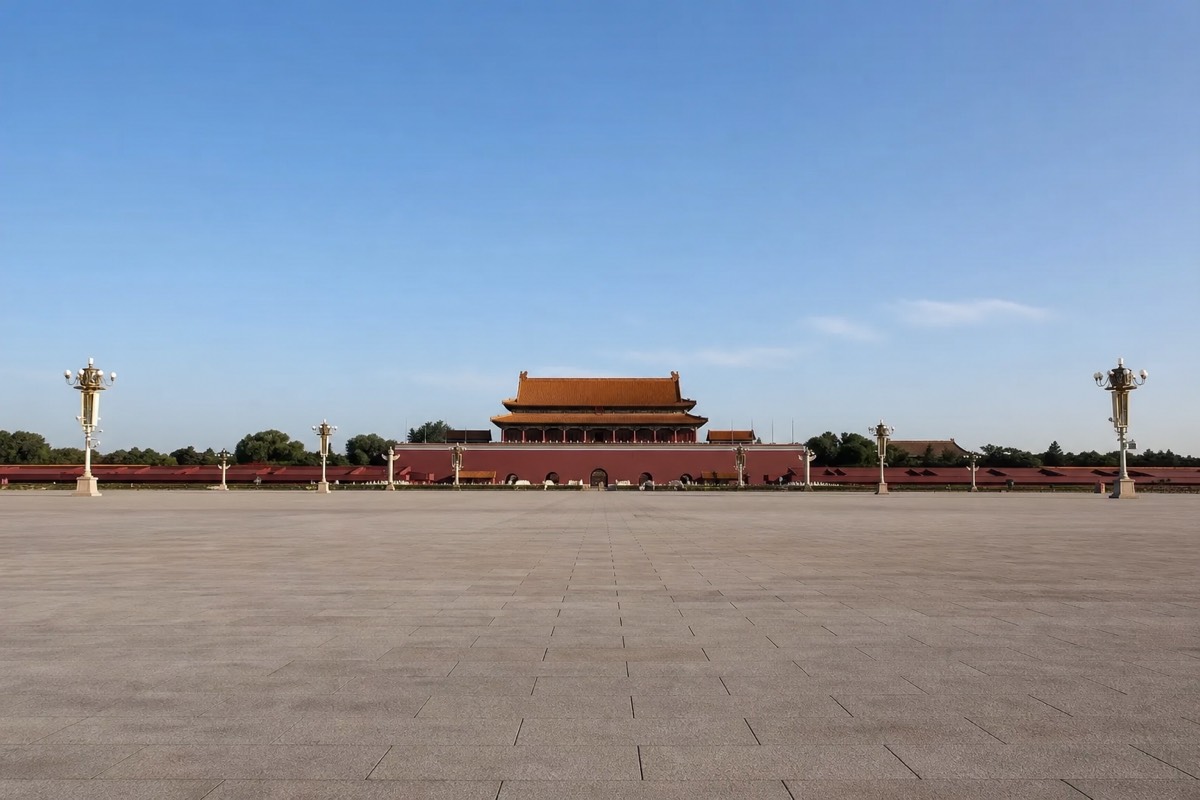
No. Drones are strictly forbidden across the entire site, no exceptions. This isn't unique to the Forbidden City: most of central Beijing sits under airspace restrictions, and a UNESCO World Heritage site with a working government-security perimeter next door at Tiananmen Square is about as firmly no-fly as it gets. Don't bring one expecting to negotiate at the gate.
What about luggage, scooters and mobility?
Large wheeled suitcases and scooters aren't permitted inside. If you're arriving straight from the airport or a train station with big bags, leave them at your hotel first, or check whether your tour operator offers luggage storage, rather than trying to bring rollaboards through security. The site does accommodate wheelchairs and has ramps at many of the main gates, but the sheer scale, roughly 72 hectares across 800-plus buildings, means mobility-limited visitors should plan for a longer, more selective route rather than trying to cover the whole complex in one pass.
What can't you photograph or film commercially?
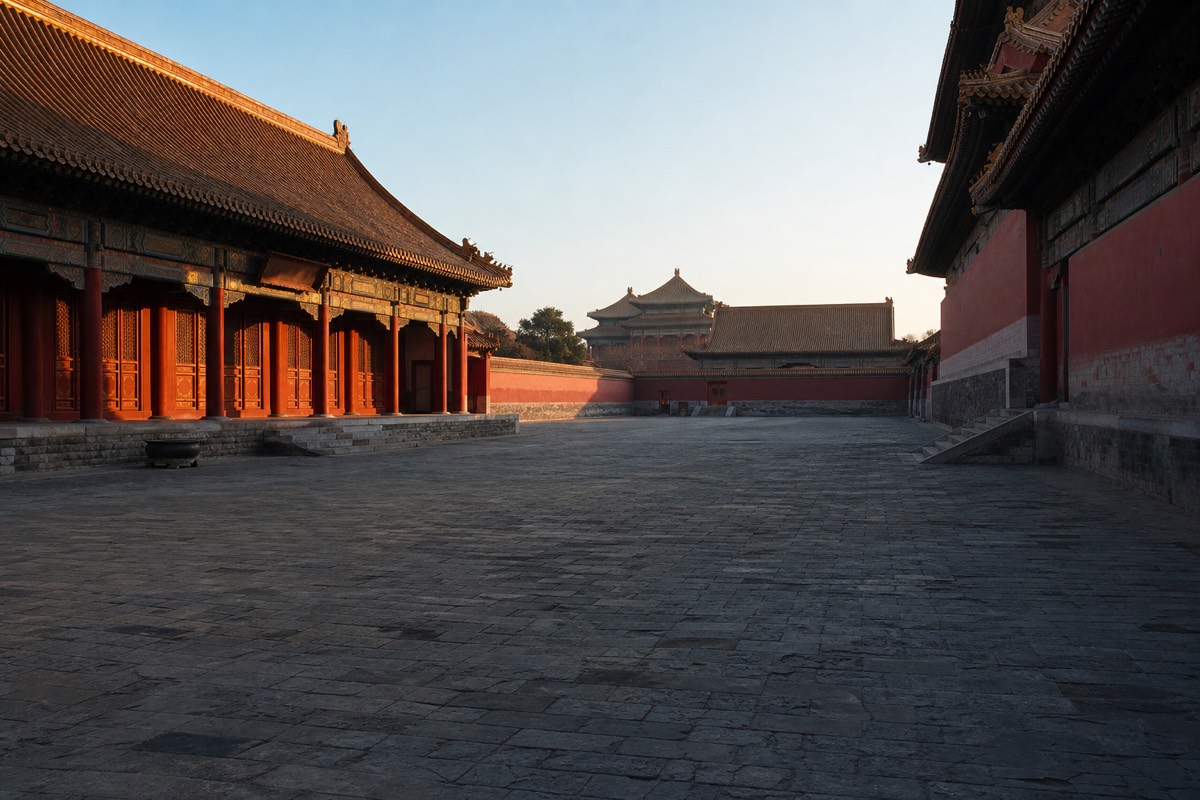
Casual, personal photography is fine throughout the complex, but organized commercial shoots, professional video productions, wedding photography sessions and similar activities need advance authorization from the Palace Museum. This is a stricter version of a rule most major museums enforce, and it exists for the same reason the interior photography rules do: protecting the buildings and the objects inside them from the extra equipment, extra time and extra foot traffic a professional shoot requires. It's also why film and TV productions no longer shoot inside the real palace at all; even authorized crews now build replica sets elsewhere rather than filming on site.
Do the rules differ from the ticket and security requirements?
Dress code and photography rules are separate from the entry requirements, and it's easy to conflate the two. Booking a ticket is a real-name, e-ticket-only process tied to your passport, checked again at the gate, and that process has nothing to do with what you're wearing or carrying, beyond the general luggage and drone restrictions above. Bring your passport regardless of how you're dressed; without it, none of the on-site rules matter because you won't get through the gate.
A quick reference table
| Item or activity | Allowed? | Notes |
|---|---|---|
| Casual clothing | Yes, within reason | Avoid overly revealing outfits |
| Closed-toe shoes | Recommended | Uneven stone courtyards, raised thresholds |
| Flash photography indoors | No | Protects painted surfaces and relics |
| Tripods | Generally no | Keeps foot traffic moving in popular halls |
| Selfie sticks under 1.3m | Yes | Longer ones aren't allowed |
| Drones | No | Strictly forbidden, no exceptions |
| Large wheeled luggage / scooters | No | Store at your hotel beforehand |
| Commercial photo/video shoots | No, without authorization | Contact the Palace Museum in advance |
Why does a museum enforce rules this specific?
Every restriction traces back to the same concern: this is a functioning museum built almost entirely of wood, painted plaster and centuries-old lacquer, holding collections that can't be replaced if damaged. The Palace Museum's own official site lays out visitor guidance alongside its ticketing system, and it's worth a look before you go if you want the current wording directly from the source rather than a secondhand summary. Beijing's own tourism authority, via the city's official portal, echoes the same expectations for major heritage sites across the capital: dress with some consideration for a working cultural institution, and treat the objects inside it the way you'd want a fragile family heirloom treated.
Choose TG18: English-guided Forbidden City walk and entry ticket. Meet at Meridian Gate; finish at the north gate. No square visit or hotel transfer. Not wheelchair accessible. Passport details and an original passport are required. Security checks still apply.