What Movies Were Filmed Inside the Forbidden City?
The Last Emperor is the only Western film ever allowed to shoot inside the actual Forbidden City. Here's what made that possible, and why the door closed behind it.
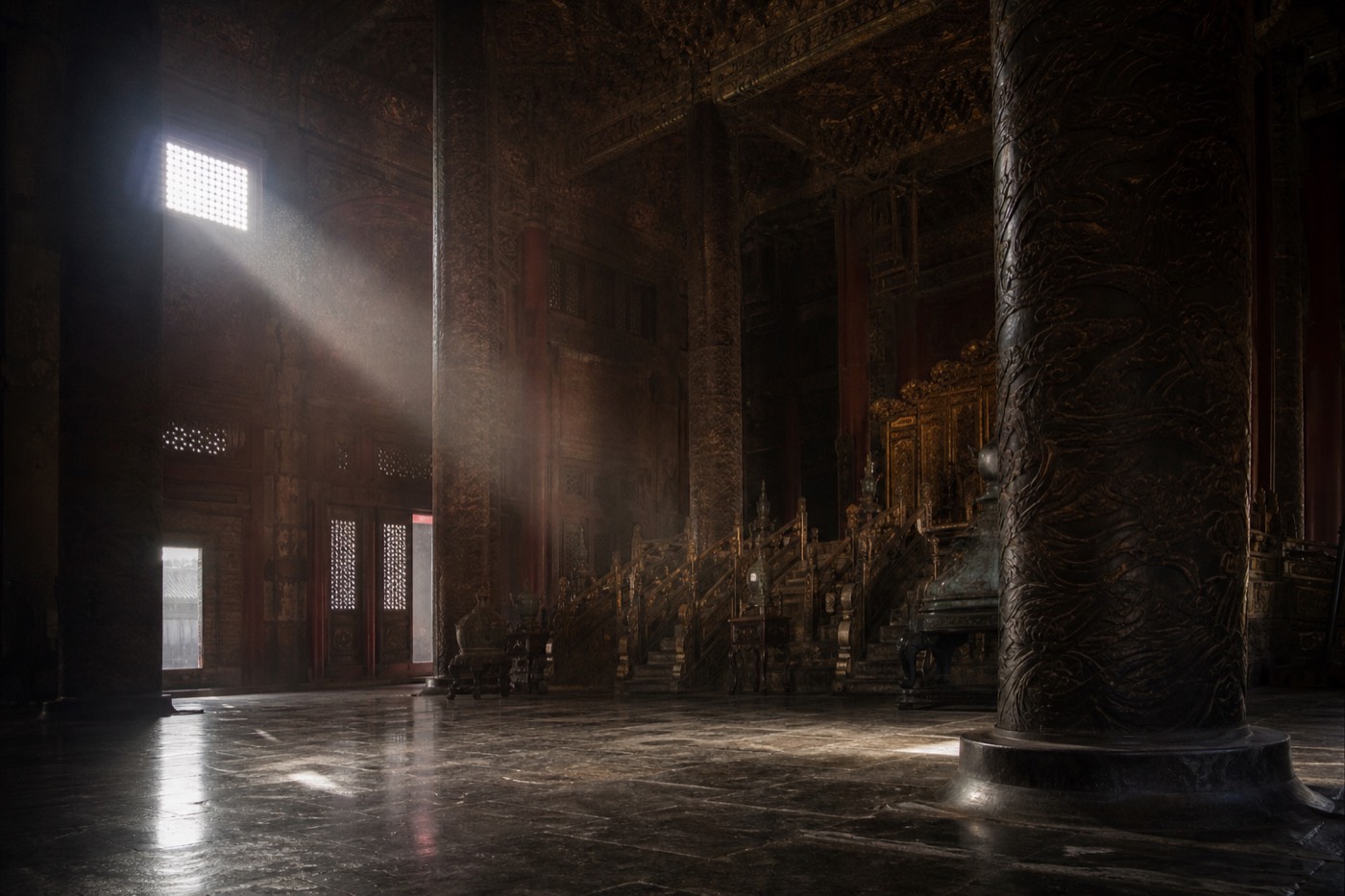
Only one Western feature film has ever been allowed to shoot inside the real Forbidden City: Bernardo Bertolucci's The Last Emperor (1987), which spent eight weeks filming on location inside the actual palace walls. No film or TV crew has been granted that kind of access since, so every other movie palace you've seen on screen is a built replica, not the real site.
If you plan to see this in person, private palace walk with transfer is a starting point. Compare its actual route with the time you have.
Booking choice: Choose option 2 (TG3): a four-hour private visit with an English guide, entry and round-trip private car transport. Hotel pickup is within the listed area. Explore Private Palace Walk With Transfer
Why The Last Emperor is the one true exception
Bertolucci's film tells the life of Puyi, China's last emperor, from his enthronement as a toddler through his decades inside and outside the palace walls. To tell that story convincingly, the production needed the real setting, and remarkably, it got it: eight weeks of on-location photography inside the Forbidden City itself, moving cameras, crews and extras through courtyards and halls that had never hosted a foreign film production before or since. The film went on to sweep the 1988 Academy Awards, winning all nine Oscars it was nominated for, including Best Picture, a rare feat that owes a real debt to the authenticity of those locations.
Why no one has filmed inside since
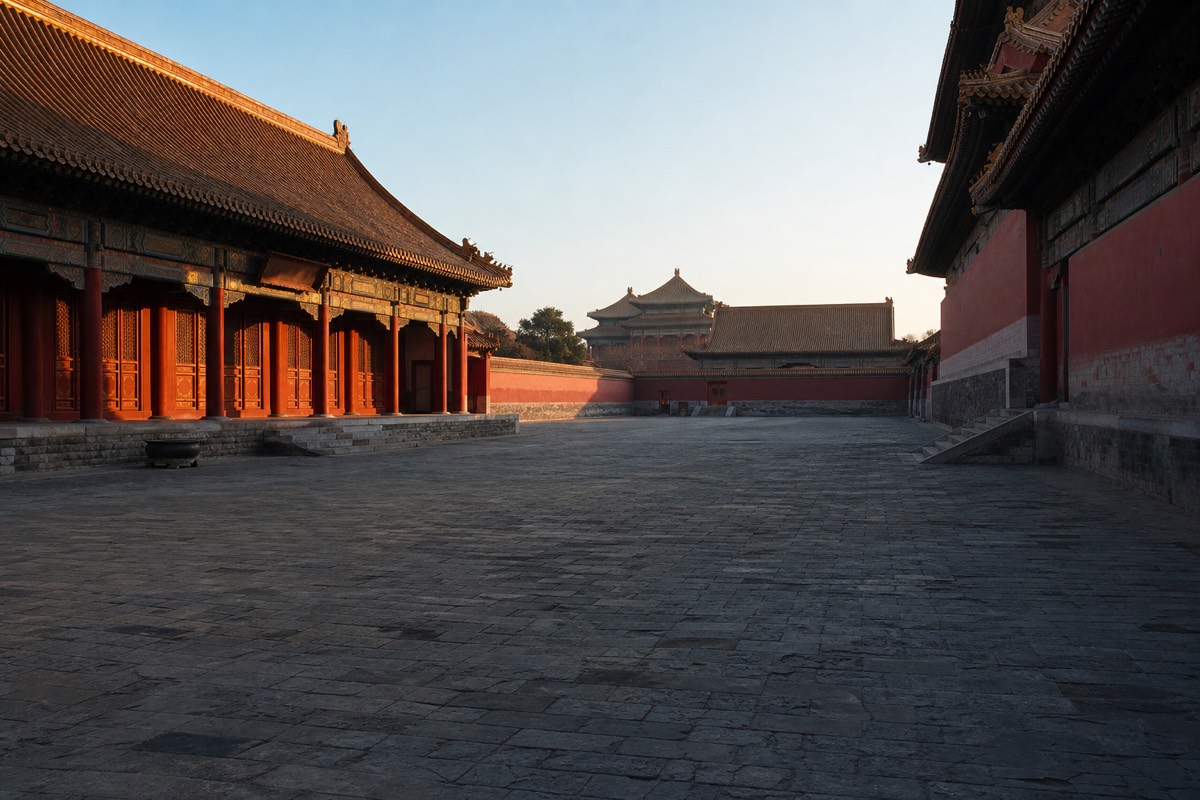
That access has not been repeated. Since The Last Emperor wrapped, the Palace Museum has not allowed film or television crews to shoot inside the Forbidden City, citing the preservation risk that lighting rigs, foot traffic and equipment pose to buildings and relics that are centuries old and, in many cases, still original timber and paint. The complex is a working museum and a UNESCO World Heritage Site, and the calculus for its custodians is straightforward: a film shoot is hard on conservation, however careful the crew.
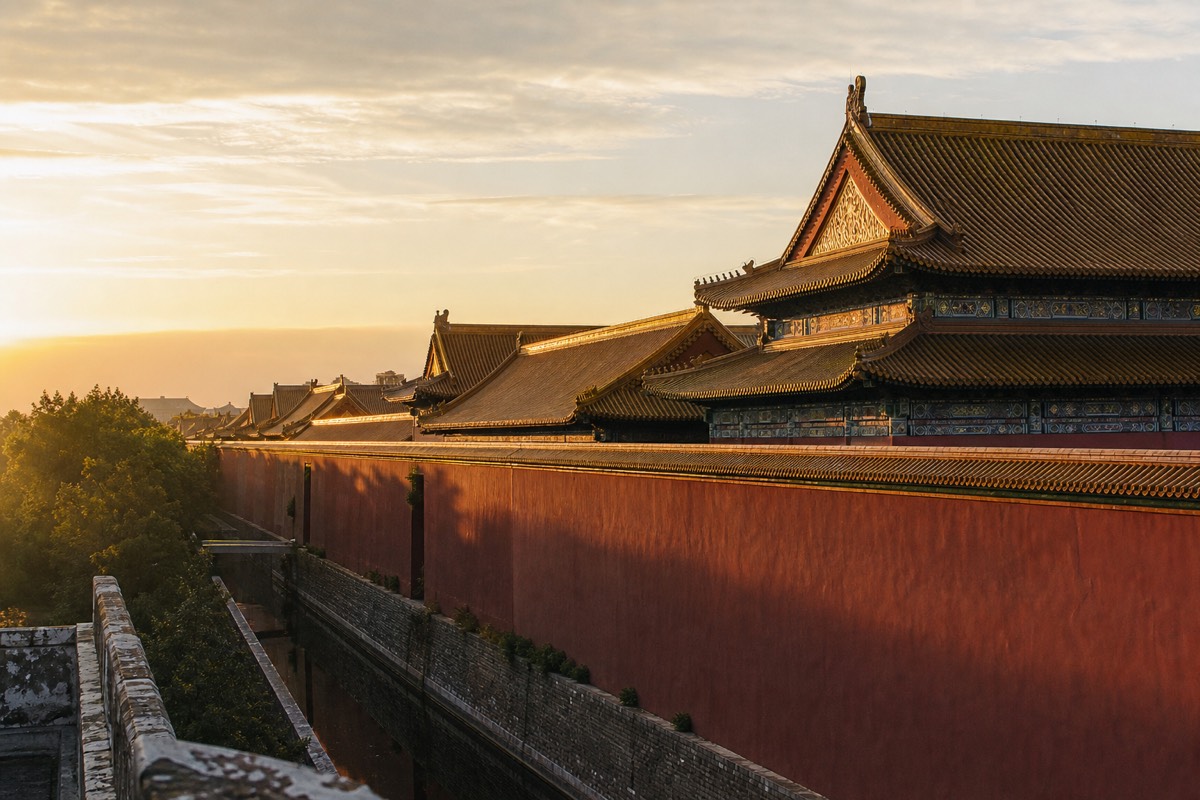
That closed door has not stopped filmmakers from wanting the Forbidden City on screen. Chinese historical dramas and films set in the imperial court are a constant presence in cinema and television, and many of them recreate the palace's halls and courtyards in painstaking detail. They do it on studio backlots and purpose-built replica sets rather than the genuine site, following the same restriction that has held since the 1980s. If a production claims its "Forbidden City" scenes were shot on location today, that claim does not match what the Palace Museum permits, and it is worth treating with skepticism.
What made The Last Emperor different
| The Last Emperor (1987) | Every production since | |
|---|---|---|
| Filming location | Inside the real Forbidden City, eight weeks on location | Replica sets and studio backlots |
| Access granted | Yes, a one-time exception | No, access has not been repeated |
| Subject | The real life of Puyi | Varies, mostly fictionalized court dramas |
Eight weeks is a long shoot by any measure, and it meant the crew worked across a meaningful slice of the palace's roughly 72 hectares and 800-plus surviving buildings, not a single courtyard dressed for an afternoon of coverage. The film also happened to reach cinemas the same year the Forbidden City was inscribed as a UNESCO World Heritage Site, 1987, which is a coincidence of timing rather than cause and effect, but it does mark 1987 as the year the palace's global profile shifted twice over, once on screen and once in the eyes of UNESCO.
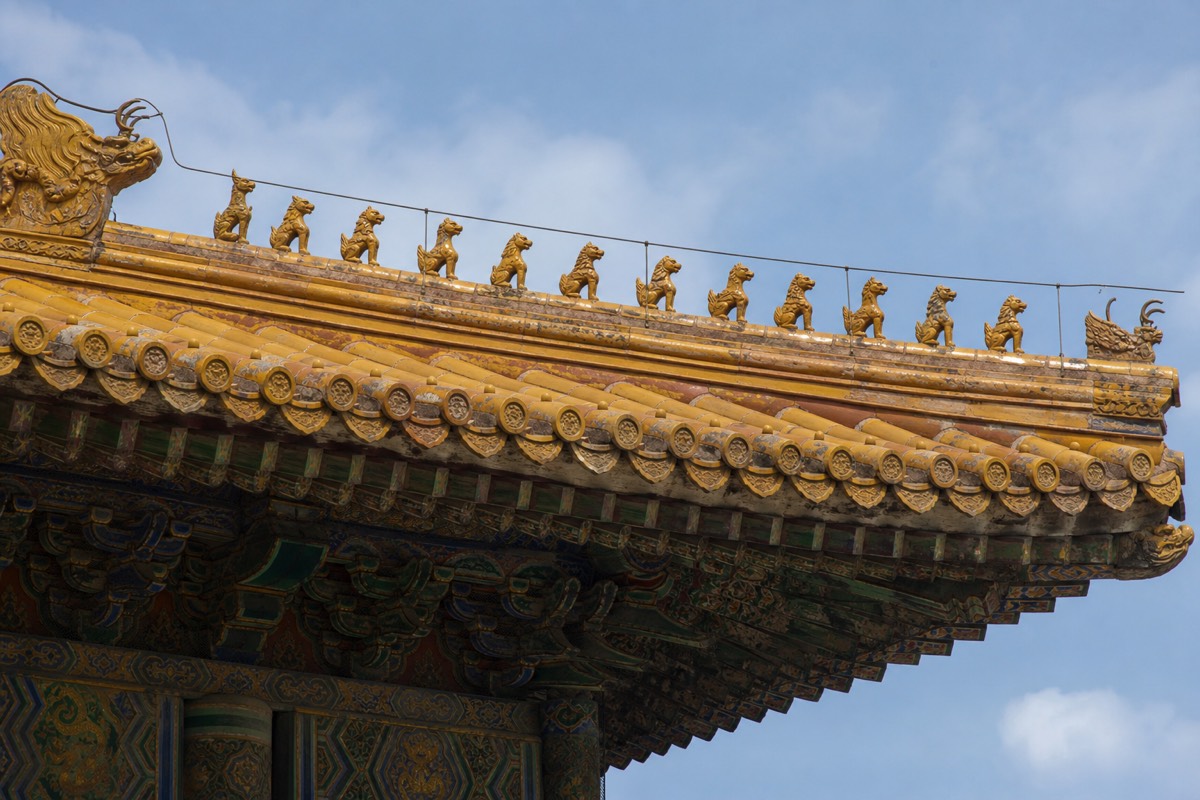
Why the Palace Museum won't take the risk again
That conservation logic isn't unique to film crews. Ordinary visitors face lighter versions of the same restrictions today: no flash photography is allowed inside the halls, since repeated bursts of light degrade centuries-old pigment and lacquer over time, and tripods are generally not permitted either, both rules aimed at protecting the buildings and keeping foot traffic moving through spaces that were never designed for modern crowds. A film production multiplies that same risk many times over, with lighting rigs, dolly tracks, generators and dozens of crew members moving heavy equipment through halls that hold irreplaceable relics. Weighed against that, an eight-week exception granted once in the 1980s looks less like an oversight and more like a deliberate, one-time trade the Palace Museum has chosen never to repeat.
Does the real palace still look like it does in the film?
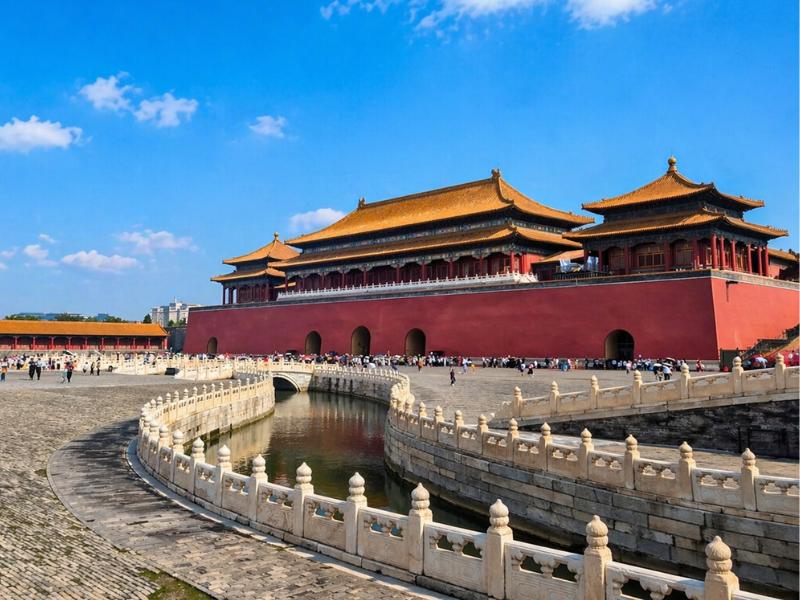
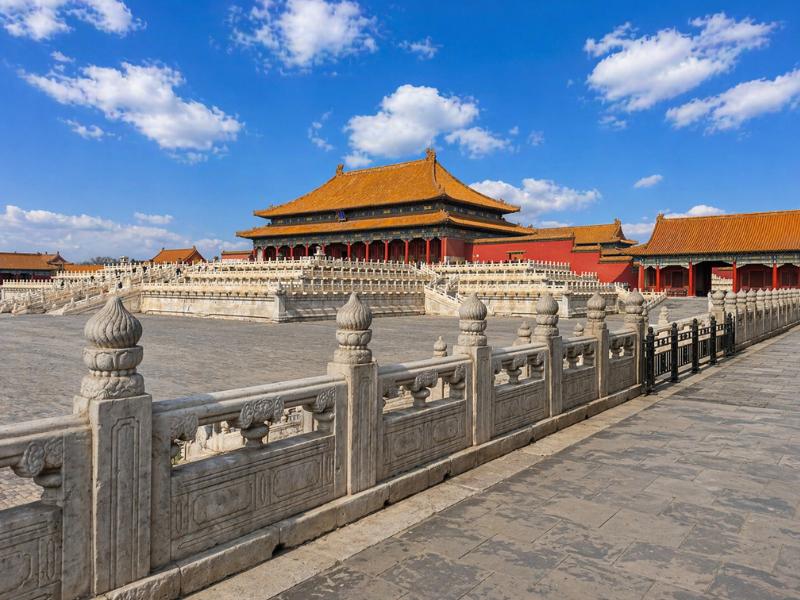
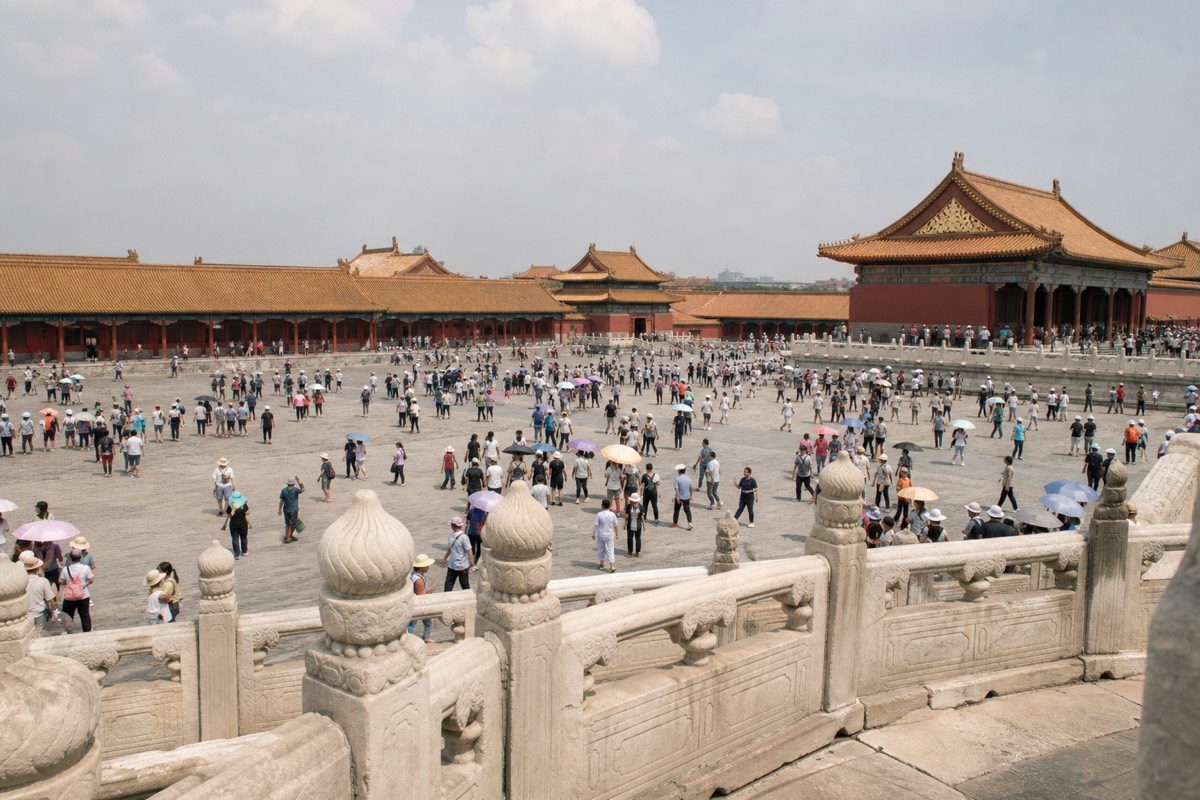
Largely, yes. The Palace Museum has spent decades on restoration rather than reinvention, so the halls and courtyards a visitor walks through today, including the Meridian Gate and Hall of Supreme Harmony, are recognizably the same architecture the 1987 cameras captured. What has changed is the crowd. Where the production had the run of the place for eight weeks, a modern visitor shares it with everyone else holding a same-day ticket, and the museum caps daily entry at roughly 80,000 people. For a closer look at what that experience is actually like today, our honest review of visiting the Forbidden City covers the crowds, the pacing and what to prioritize.
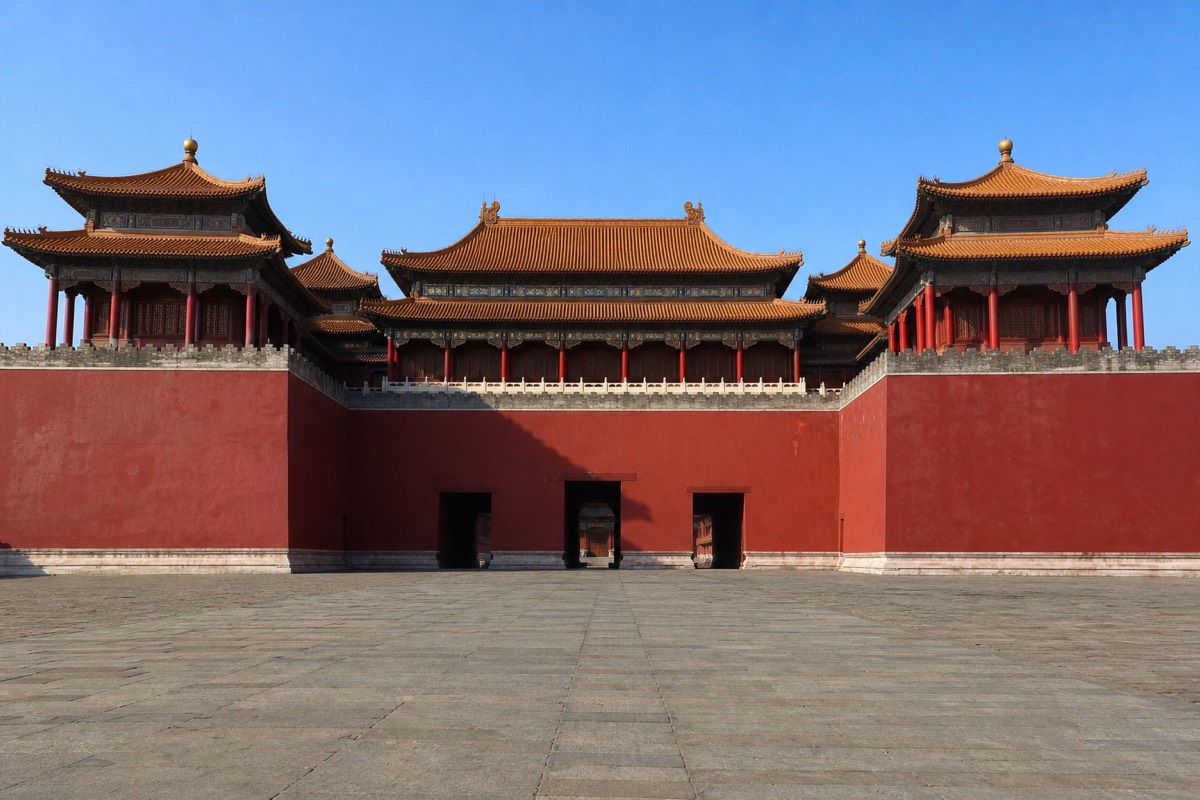
The palace's own story after Puyi's 1924 expulsion is almost as dramatic as the film. Renamed and reopened to the public as the Palace Museum in 1925, it moved in a single generation from the sealed residence of the Qing court to one of the most visited museums on earth, a shift the Britannica entry on the Forbidden City and the Palace Museum's own official site both document in more detail.
Planning a visit around what you saw on screen
If The Last Emperor is what put the Forbidden City on your radar, seeing the real halls in person closes the loop the film only gestures at. A guided visit is the simplest way in, since it pairs the walk through the palace with someone who can point out what changed between 1987 and today. Our Forbidden City tour with tickets included covers the core route in about eight hours with tickets handled for you, and for a slower, more flexible pace our private walking tour with seven route options lets you linger where the film's most memorable scenes were shot.
Whichever tour you pick, the palace itself has outlived every dynasty, revolution and film crew that has passed through it, which is a large part of why its full history still draws millions of visitors a year who never saw a single frame of Bertolucci's film.