Is the Forbidden City Worth Visiting? Honest Review
This is Google's most-asked question about the Forbidden City, and the honest answer isn't a flat yes or no. Here is what genuinely makes it worth the trip, what genuinely doesn't, and who should actually skip it.
Yes, the Forbidden City is worth visiting for almost anyone traveling to Beijing: it is one of the largest and best-preserved palace complexes in the world, a genuine UNESCO World Heritage Site, and unmatched for the density of Chinese imperial history packed into one walkable site. The real caveats are crowds, a lot of walking across roughly 72 hectares, and a ticket system that trips up first-timers, not the site itself.
If you plan to see this in person, two-hour palace walk is a starting point. Compare its actual route with the time you have.
Booking choice: Choose TG18: English-guided Forbidden City walk and entry ticket. Meet at Meridian Gate; finish at the north gate. No square visit or hotel transfer. Explore Two-Hour Palace Walk
Worth it or not: the real trade-offs at a glance
A qualitative summary based on the site's own published scale, hours and daily visitor cap, not a survey or rating; treat it as a planning reference, not statistical data.
What actually makes it worth visiting?
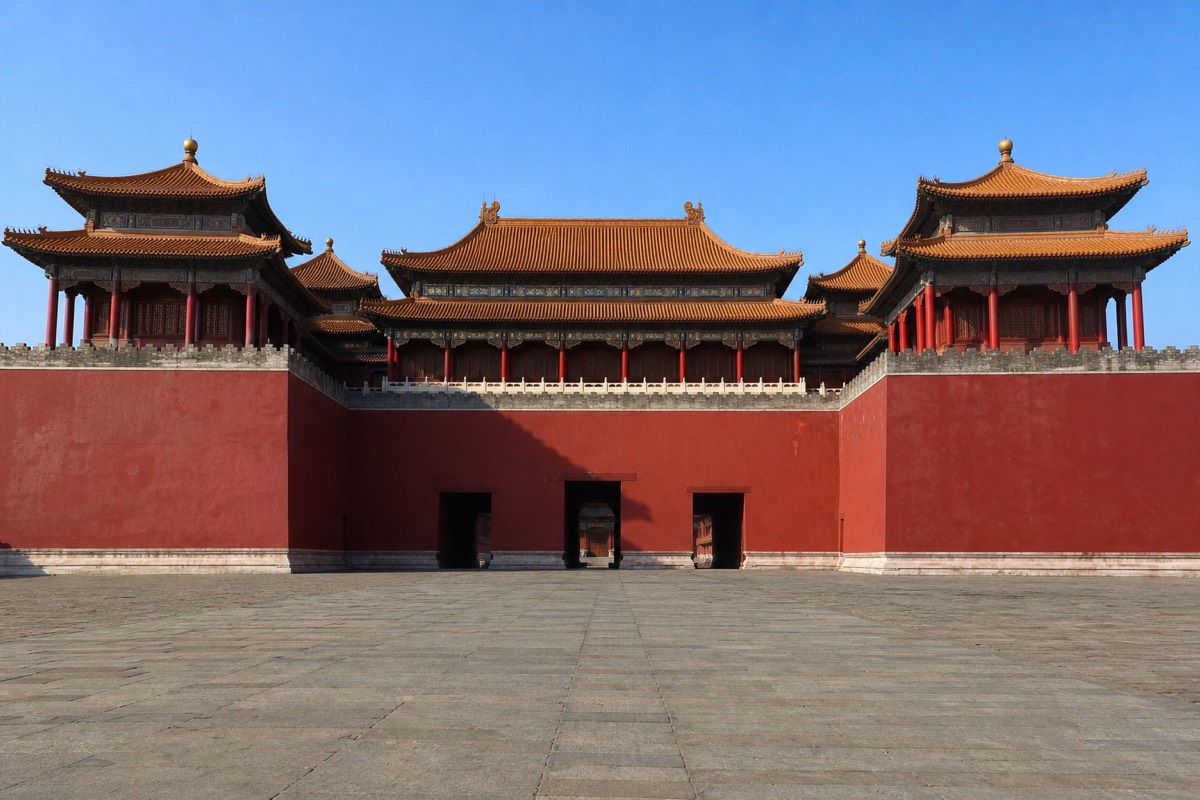
Start with scale, because nothing else about the Forbidden City makes sense until you register how big it is. At roughly 72 hectares with more than 800 surviving buildings, this is not a palace you tour in the way you'd tour a European royal residence, room by furnished room. It is closer to walking through a preserved imperial capital in miniature, one that housed the seat of Chinese government continuously through the Ming and Qing dynasties for roughly five centuries. Our overview of what the Forbidden City actually is covers that history in full if you want the background before deciding.
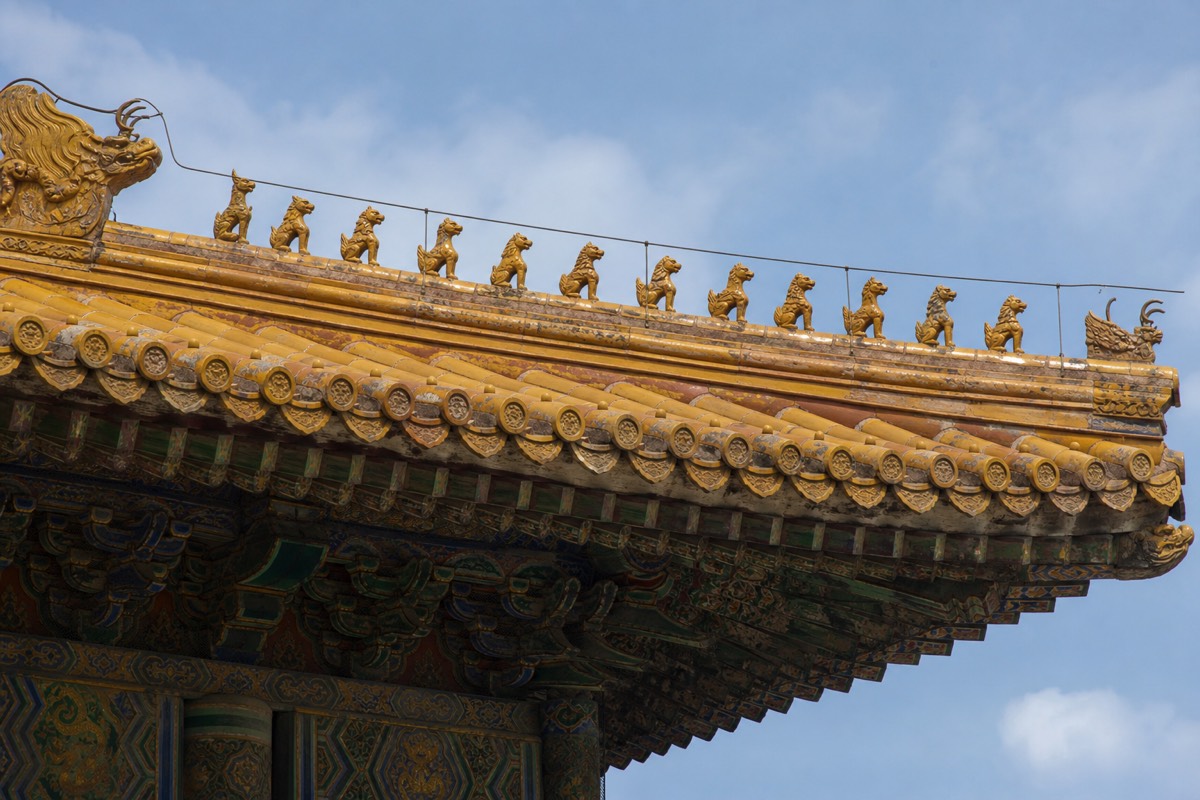
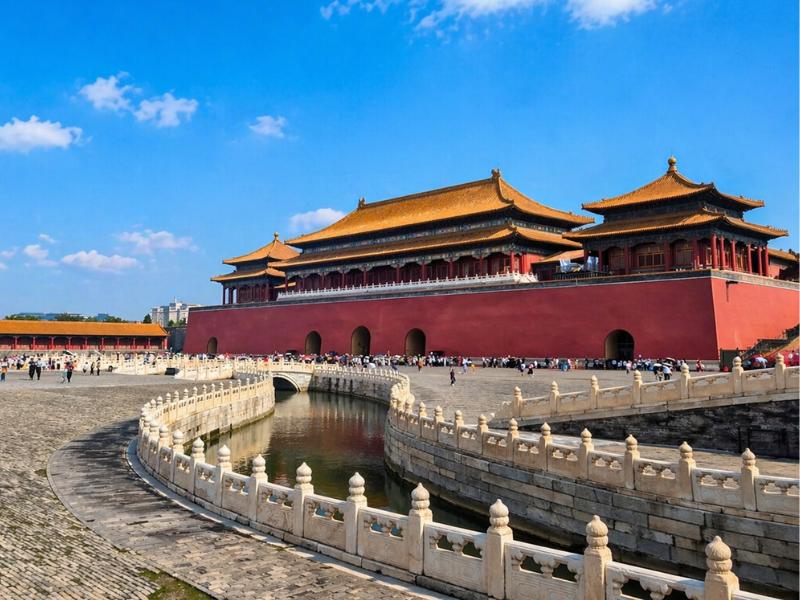
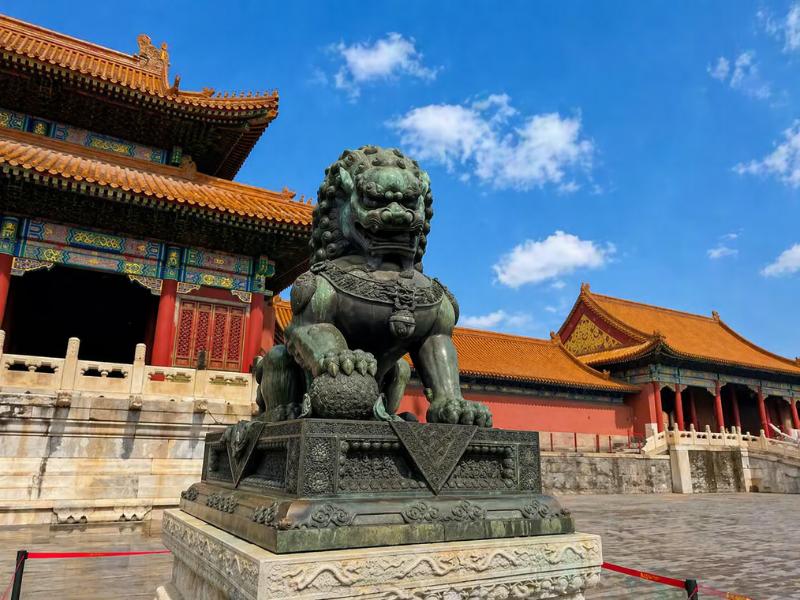
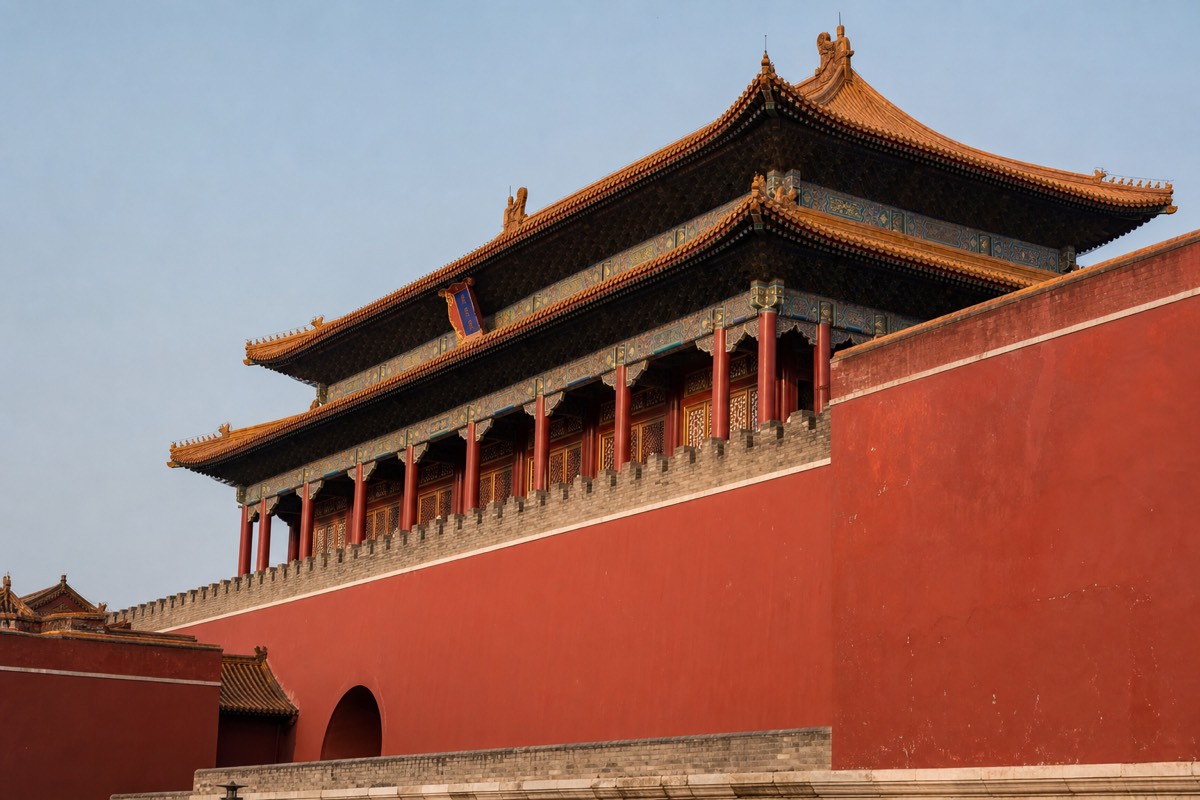
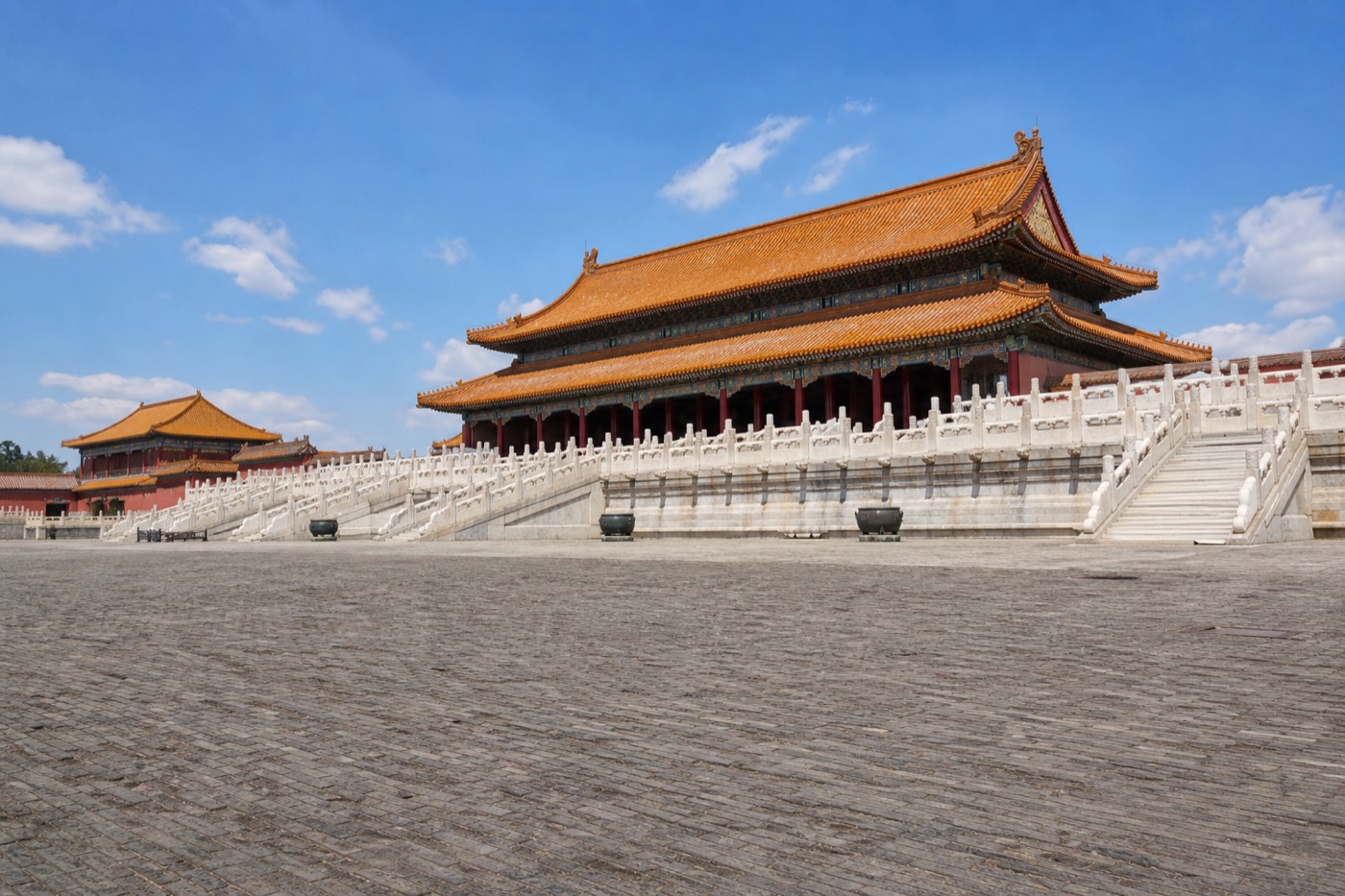
Then there's preservation and status. The complex earned UNESCO World Heritage inscription in 1987, and the level of architectural detail still standing, gold-lacquered dragon pillars, a 38-meter gate tower, a throne hall spanning 64 by 37 meters, is not something reproduced convincingly anywhere else. For visitors with any interest in history, architecture or the mechanics of imperial power, the density of genuine, on-site history here is difficult to match on a single afternoon anywhere in the world; Britannica's overview of the complex gives a useful independent sense of why historians rate it so highly.
| Reason it's worth it | Why it matters |
|---|---|
| Scale | 72 hectares, 800+ buildings; nothing else in Beijing compares |
| Preservation | UNESCO-listed since 1987, restored Ming/Qing architecture throughout |
| History density | 24 emperors, ~5 centuries of continuous imperial rule in one site |
| Walkability | Central axis layout makes the highlights genuinely reachable on foot |
| Landmark buildings | Meridian Gate, Hall of Supreme Harmony, Treasure Gallery all on-site |
What are the honest downsides?
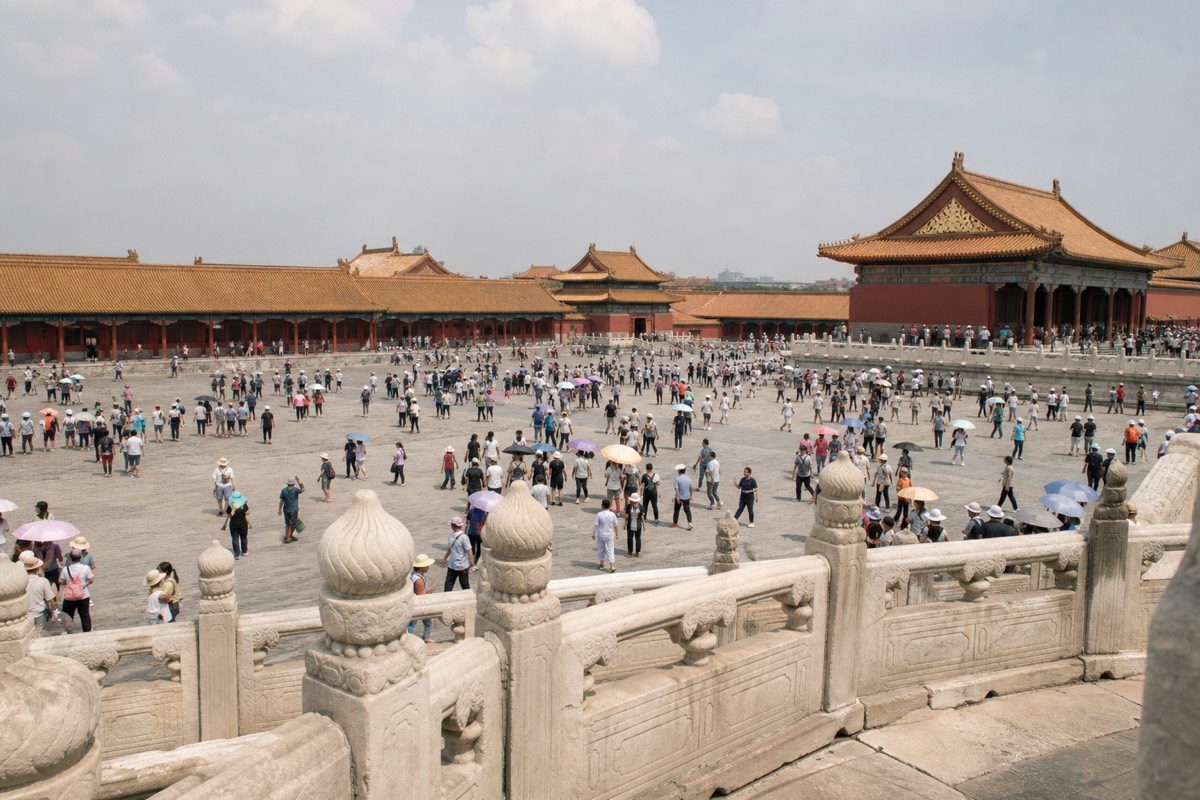
The real friction is crowds during peak months, a genuinely long walking distance across the complex, a booking system that requires planning a week ahead, and a repetitive feel that sets in for some visitors after the fourth or fifth courtyard of similar-looking halls. None of these are dealbreakers, but pretending they don't exist does visitors a disservice.
| The honest caveat | What it actually looks like |
|---|---|
| Crowds | Peak season (Apr-Oct) days can approach the site's 80,000 daily visitor cap |
| Walking distance | 72 hectares end to end; a full loop is a genuine multi-hour walk |
| Ticket friction | Real-name booking opens only 7 days ahead, Chinese-language portal by default |
| Hall fatigue | Many visitors report the halls start to blur together after several similar courtyards |
| Weather exposure | Mostly open-air courtyards; hot summers and cold winters both test stamina |
What does a first-time visit actually look like, hour by hour?
The honest "worth it" answer changes depending on how many hours you actually give the place, which is why the six guided tours available on this site run such different lengths, from 4 hours up to 11. A 4-hour visit is a fast, focused walk straight up the central axis: through the Meridian Gate, past the Hall of Supreme Harmony, out through the Imperial Garden, with little time to linger. An 8-hour visit adds the Treasure Gallery, side courtyards most visitors skip, and usually a stop at neighboring Tiananmen Square. An 11-hour day stretches further still, folding the Forbidden City into a combined itinerary with the Great Wall.
| Time given | What the visit actually feels like |
|---|---|
| 4 hours | Brisk, focused walk of the main axis; worth it if you want the highlights without losing a full day |
| 6 to 8 hours | Unhurried pace, side courtyards, Treasure Gallery, often paired with Tiananmen Square |
| 10 to 11 hours | Full day, usually combined with the Great Wall or Summer Palace and Temple of Heaven |
This matters for the worth-it question because a lot of the disappointed reactions to the site trace back to a mismatched time budget, not the site itself: trying to see everything in 2 rushed hours produces a very different verdict than a properly paced 4 to 8-hour visit. Our full guide to how long you need breaks this ladder down in more detail.
How physically demanding is a visit, really?
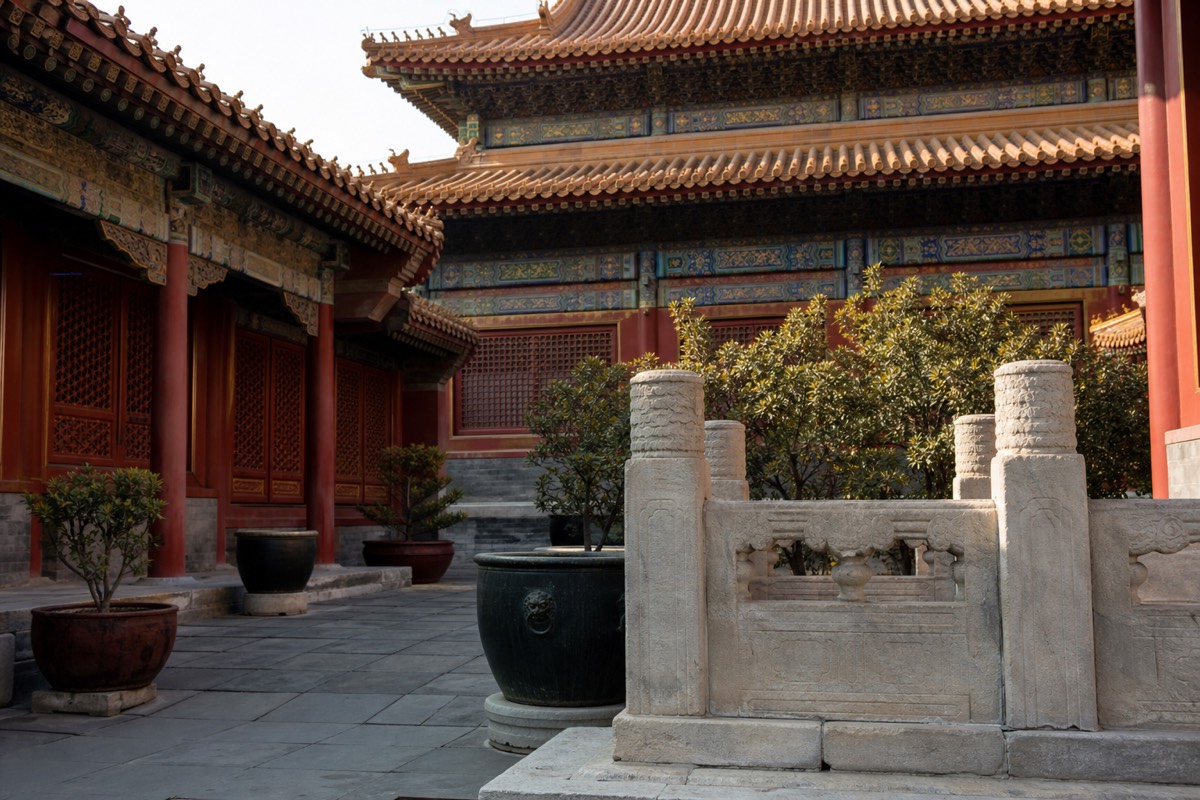
More than most first-timers expect, and less than a strenuous hike. The ground itself is flat, worn stone throughout the central axis, so this is not technical walking, but the sheer distance across roughly 72 hectares adds up over the course of several hours, and there is limited seating along the main route. Expect long stretches of standing at the busiest halls, some queuing at security checkpoints and at the Treasure Gallery entrance if you add it, and very little shade in the open courtyards during summer months. None of this is unusual for a major heritage site of this size, comparable in effort to a full day at a large outdoor museum complex, but it is worth planning for rather than discovering partway through.
| Physical factor | What to expect |
|---|---|
| Terrain | Flat stone paving throughout; no technical walking |
| Distance | Several kilometers on foot for a full central-axis walk |
| Shade | Limited; courtyards are mostly open-air |
| Seating | Sparse along the main route |
| Queuing | Security check at entry; possible line at the Treasure Gallery |
Does the season change whether it's worth visiting?
It shifts the experience more than it changes the verdict. Peak season, April through October, brings the best weather for walking outdoors but also the heaviest crowds and the higher admission price, around 60 RMB versus roughly 40 RMB off-season. Off-season, November through March, trades some of that comfort, colder days, shorter opening hours, for noticeably thinner crowds and a cheaper ticket. Neither season makes the site not worth visiting; they just trade one kind of friction for another; you can read the full month-by-month breakdown in our best time to visit guide.
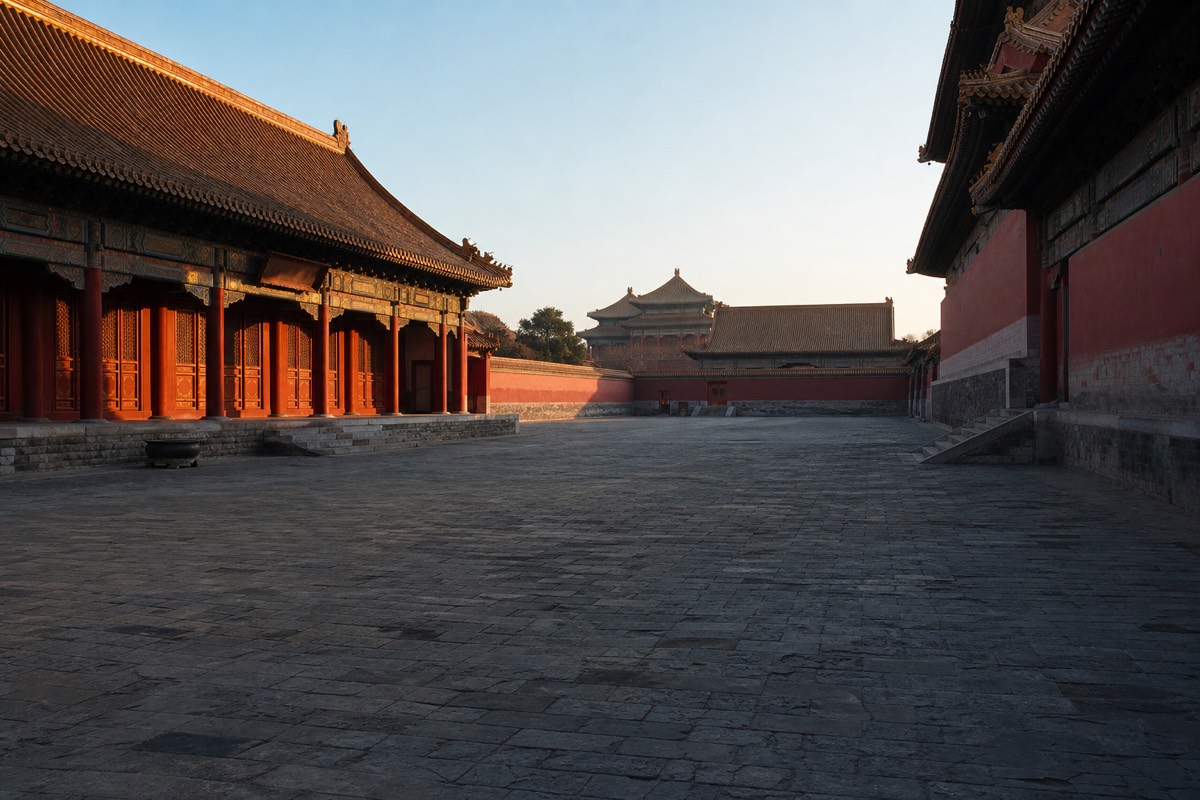
| Peak season (Apr-Oct) | Off-season (Nov-Mar) | |
|---|---|---|
| Admission | around 60 RMB | around 40 RMB |
| Hours | 8:30am-5:00pm, last admission 4:00pm | 8:30am-4:30pm, last admission 3:30pm |
| Crowd level | Heaviest, especially weekends and holidays | Noticeably thinner |
| Weather for walking | Warm to hot; more comfortable for long outdoor stretches | Cold, sometimes with snow; dress for the outdoor courtyards |
How crowded does it actually get?
The Palace Museum caps daily visitors at around 80,000, one of the highest caps of any single heritage site anywhere, but peak-season weekends and national holidays regularly push toward that ceiling. That volume of people concentrated along one central axis means the most famous courtyards, particularly around the Hall of Supreme Harmony, can genuinely feel packed at midday in July or during Golden Week. Off-season months (November through March) see meaningfully thinner crowds, alongside lower ticket prices. Our guide to the best time to visit breaks down the calendar month by month if crowd avoidance is your priority.
How much walking is really involved?
More than most first-time visitors expect. At around 72 hectares, walking the full central axis from the Meridian Gate at the south end to the Imperial Garden at the north, with any meaningful detours into side courtyards, easily covers several kilometers on foot, entirely on flat stone with limited shade in summer. This is not a site where you sit and gaze at a handful of displayed objects; it's a site you cover on your own feet, at your own pace, for the majority of your visit. Comfortable footwear is a genuine requirement, not a suggestion, and anyone with limited mobility should plan a shorter, more targeted route rather than attempting the whole complex.
Does it actually feel repetitive after a while?
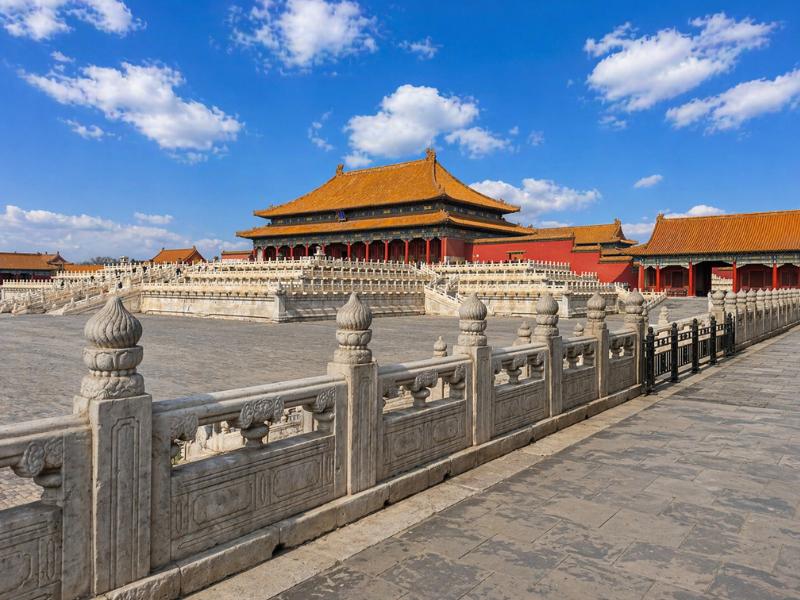
For some visitors, yes, and it is worth saying honestly rather than glossing over it. The central axis is built from a sequence of gates and halls that share a broadly similar architectural language: red walls, golden roof tiles, elevated stone platforms, ornate roof ridges. After the third or fourth hall, some visitors do find the individual buildings start to blend together, particularly if they are moving quickly without context on what makes each one distinct. This is where a guided visit genuinely changes the experience: knowing that the Hall of Supreme Harmony held the throne, that the Meridian Gate's Five Phoenix layout had a specific ceremonial function, or what's actually inside the Treasure Gallery turns a sequence of similar-looking buildings into a much more legible story. Our guide to the Meridian Gate, Treasure Gallery and Hall of Supreme Harmony is built specifically to give that context.
Is the ticket system itself a reason to hesitate?
It's real friction, but it's solvable rather than a reason to skip the visit. The e-ticket-only, real-name reservation system opens just seven days ahead, runs through a Chinese-language portal by default, and requires a physical passport at the gate. First-time independent travelers who don't plan around this can genuinely be turned away. The straightforward fix is either booking early and carefully within the Palace Museum's own official ticket window, or choosing a guided tour where the operator handles the real-name booking as part of the package. Our full tickets, prices and booking guide covers the entire process end to end.
Is it safe to make the trip in the first place?
This is a fair question to fold into a "worth it" review, since safety concerns can outweigh any amount of historical value for a traveler weighing the decision. The U.S. State Department currently rates China, Beijing included, at Level 2, "Exercise Increased Caution," the same tier applied to France, Germany and Japan, with the underlying concerns centered on arbitrary enforcement of local law rather than a specific risk to tourist sites. Ordinary leisure travelers sticking to standard routes see low rates of violent crime. Advisories shift, so check the State Department's current China travel advisory directly before booking rather than relying on a fixed number here. For most travelers, this caveat does not change the worth-it calculus, but it belongs in an honest review rather than left out. If access itself, rather than the experience, is your real question, our guide on whether you can actually visit the Forbidden City answers that directly.
Is a guided tour worth it, or should you go solo?
Choose TG18: English-guided Forbidden City walk and entry ticket. Meet at Meridian Gate; finish at the north gate. No square visit or hotel transfer. Not wheelchair accessible. Passport details and an original passport are required. Security checks still apply.
| Tour Option | Time To Allow | What It Includes |
|---|---|---|
| Palace Tour Options On GetYourGuide | 3 hours | Choose a two-hour palace-only or three-hour square-and-palace English tour. The six-hour gallery visit is a separate option. |
| Two-Hour Palace Walk | 2 hours | Choose TG18: English-guided Forbidden City walk and entry ticket. Meet at Meridian Gate; finish at the north gate. No square visit or hotel transfer. |
| Palace And Mutianyu Full Day | 11 hours | Choose TG1 private: palace, Tiananmen Square and Mutianyu, with transport, entrances, lunch and the listed wall ride option. Allow a full 9–11-hour day. |
Who should skip it, or plan a shorter visit?
Honestly, very few travelers to Beijing should skip it outright, but some should plan a scaled-down version rather than a full day. Anyone with significant mobility limitations, given the walking distance and mostly flat but extensive stone paths, should consider a shorter, guide-led route focused on the main axis rather than attempting the full complex independently. Travelers who have already toured several large Chinese heritage sites and are specifically seeking something different rather than more imperial architecture may get diminishing returns. And anyone visiting during a major national holiday who is not prepared for genuinely heavy crowds should either shift their dates or budget extra patience.
| Traveler type | Recommendation |
|---|---|
| First-time Beijing visitor | Strongly worth it; consider a guided tour for context |
| History or architecture enthusiast | Very worth it; budget a full day if possible |
| Family with young children | Worth it in shorter doses; plan a targeted 2 to 4-hour route |
| Limited mobility | Worth it with planning; a guided, shorter route beats a solo full loop |
| Visiting during a major holiday | Still worth it, but expect the daily cap to be tested; book early |
Who specifically will love it, and who might genuinely be disappointed?
Being honest about fit matters more than a generic "yes it's worth it" verdict. History and architecture enthusiasts tend to rate it among the best sites they visit anywhere, because the density of preserved, on-site imperial history genuinely has few equals; the same goes for photographers, who find the repeating rooflines, dragon carvings and courtyard perspectives reward slow, deliberate shooting. Travelers who enjoy walking and don't mind a long day on their feet tend to come away energized rather than exhausted. First-time visitors to China generally find it a strong, memorable introduction to the country's imperial history, distinct from anything on a typical European or American itinerary.
On the other side, travelers who dislike crowds and cannot adjust their dates to avoid peak season may find the busiest halls genuinely frustrating rather than merely inconvenient. Visitors expecting an intimate, furnished palace experience akin to a European royal residence, individual rooms staged with period furniture, will find the Forbidden City is architecturally different: most interiors are viewed from outside a threshold rather than walked through room by room, since preservation rules restrict entry into many halls. And travelers with very limited time in Beijing who try to squeeze the site into an hour or two alongside several other stops tend to leave with the rushed, underwhelmed impression that shows up in some "not worth it" commentary online, which usually reflects the time budget rather than the site itself.
| You'll likely love it if | You might be disappointed if |
|---|---|
| You enjoy history, architecture or photography | You expected furnished, walk-through interiors like a European palace |
| You can give it 4+ hours | You're trying to fit it into 1 to 2 rushed hours |
| You don't mind walking or standing for long stretches | You have real mobility limitations and can't plan a shorter route |
| You can visit off-peak or arrive early | You're locked into a peak-season weekend and dislike large crowds |
What do the strongest guided-tour ratings suggest about visitor satisfaction?
Check recent reviews for the exact option you intend to book. A product-level rating can combine several routes and durations, so it does not establish satisfaction with every departure. Look for recent comments about pace, meeting instructions and what the guide actually covered.
It's worth reading that pattern carefully rather than treating a high rating as proof there are no downsides at all. What it more likely reflects is that the friction points covered earlier in this review, crowds, the walking distance, the ticket system, are things a well-run guided visit actively manages on a traveler's behalf. A rating measures the experience a visitor actually had, shaped by pacing and context, not simply the raw difficulty of the site. That is consistent with everything in this review: the Forbidden City itself is worth the visit, and the quality of the visit depends heavily on how well the logistics around it are handled.
How does it compare to other major world palaces?
By footprint, the Forbidden City is larger than the château of the Palace of Versailles itself, though Versailles' surrounding park is much larger overall, and it dwarfs the Vatican's Apostolic Palace complex by area. Our comparison of the Forbidden City against other royal palaces of the world covers that context in more depth. That comparison matters for the "worth it" question because it explains why a single visit here can feel more physically demanding, and more comprehensive, than a palace tour elsewhere that covers a handful of state rooms in an hour. You are not touring a building; you are touring a former walled city.
This changes what "worth it" actually means in practice. A visit to a European royal residence is typically measured in a single hour or two: a guided walk through a dozen furnished rooms, a gift shop, done. The Forbidden City resists that comparison because its value isn't concentrated in a handful of rooms; it's distributed across an entire walled complex that functioned as the seat of government for roughly five centuries. That is also why rushing it produces such different reviews than giving it a real half day: the site rewards time spent moving through it in a way a smaller palace simply doesn't need to.
So, is it actually worth it?
For nearly every traveler to Beijing, yes. The combination of scale, preservation and concentrated imperial history is not replicated anywhere else on a standard China itinerary, and the UNESCO recognition reflects a genuine, independently verified assessment of its significance, not marketing language. The honest caveats, crowds, distance on foot, and a ticket system that punishes poor planning, are real, but they are logistics problems with logistics solutions, not reasons the site itself disappoints. If your remaining question is how much time to actually budget once you've decided to go, our guide to how long you need breaks that down by duration, and the tours on this site cover everything from a focused 4-hour visit to a full 11-hour combined day with the Great Wall.
The short version, stripped of every caveat above: this is not a site that leaves most visitors indifferent. It rewards the traveler who gives it a real block of time and a bit of context going in, and it is far less forgiving of a rushed, unplanned drop-in than plenty of other Beijing attractions. Plan around that one fact, whether by giving it the hours it deserves or by letting a guide handle the pacing and the history, and the "worth it" question tends to answer itself the moment you're standing inside the Meridian Gate looking up the length of the central axis for the first time. Whichever verdict you land on for your own trip, it will be a considered one rather than a rushed impression formed in the first ten minutes, and that alone puts it ahead of most attractions that get asked this same honest question.